
2026 Festival Program
April 29-May 3, 2026 〰️
BAM 〰️
Anthology 〰️
DCTV 〰️
Light Industry 〰️
Metrograph 〰️
April 29-May 3, 2026 〰️ BAM 〰️ Anthology 〰️ DCTV 〰️ Light Industry 〰️ Metrograph 〰️
opening night / wed, april 29
I Heard That They Are Not Going to See Each Other Anymore
Wednesday, April 29, 6:30PM
BAM Rose Cinemas
Followed by Q&A with Ka Ki Wong.
-
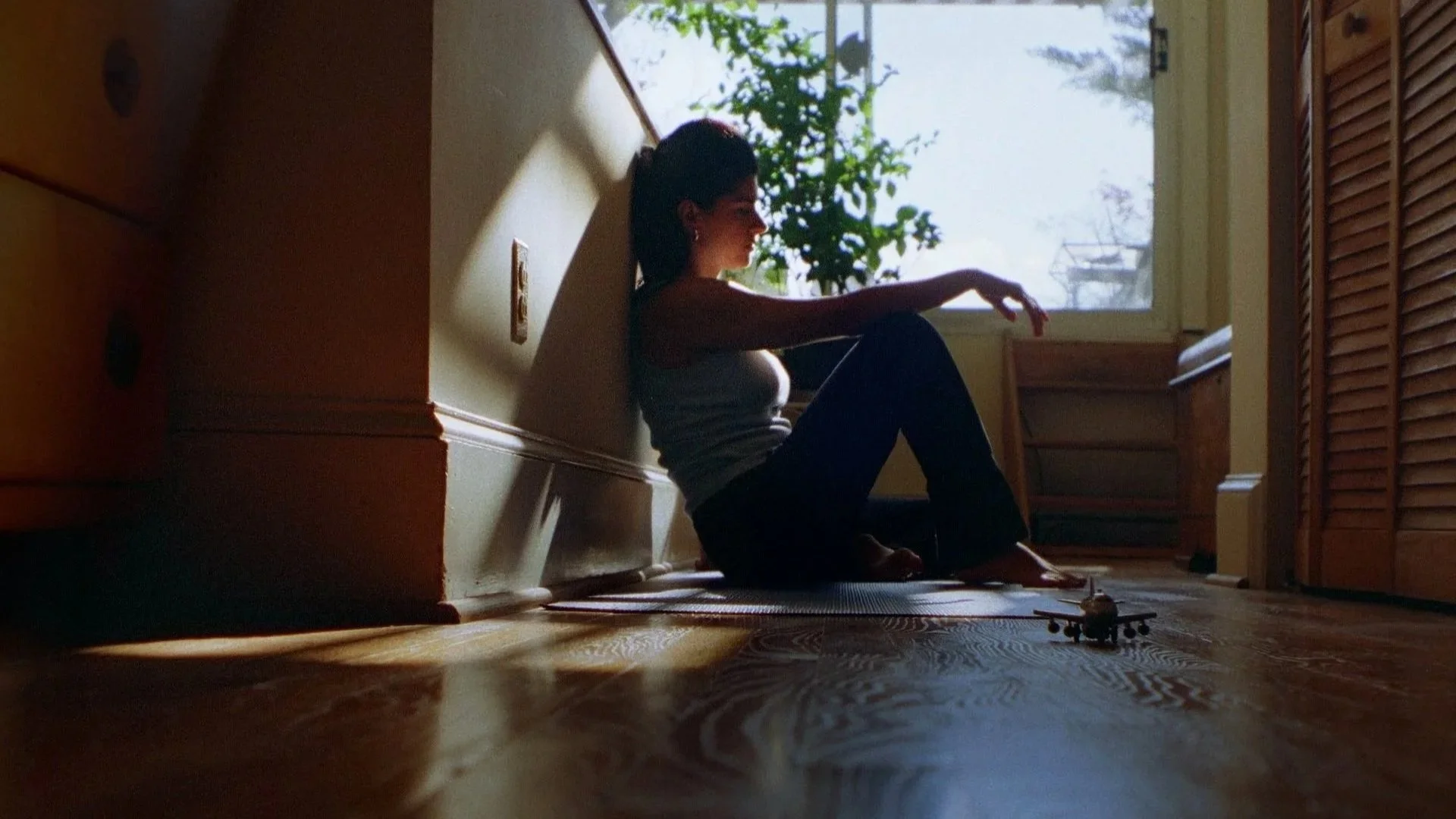
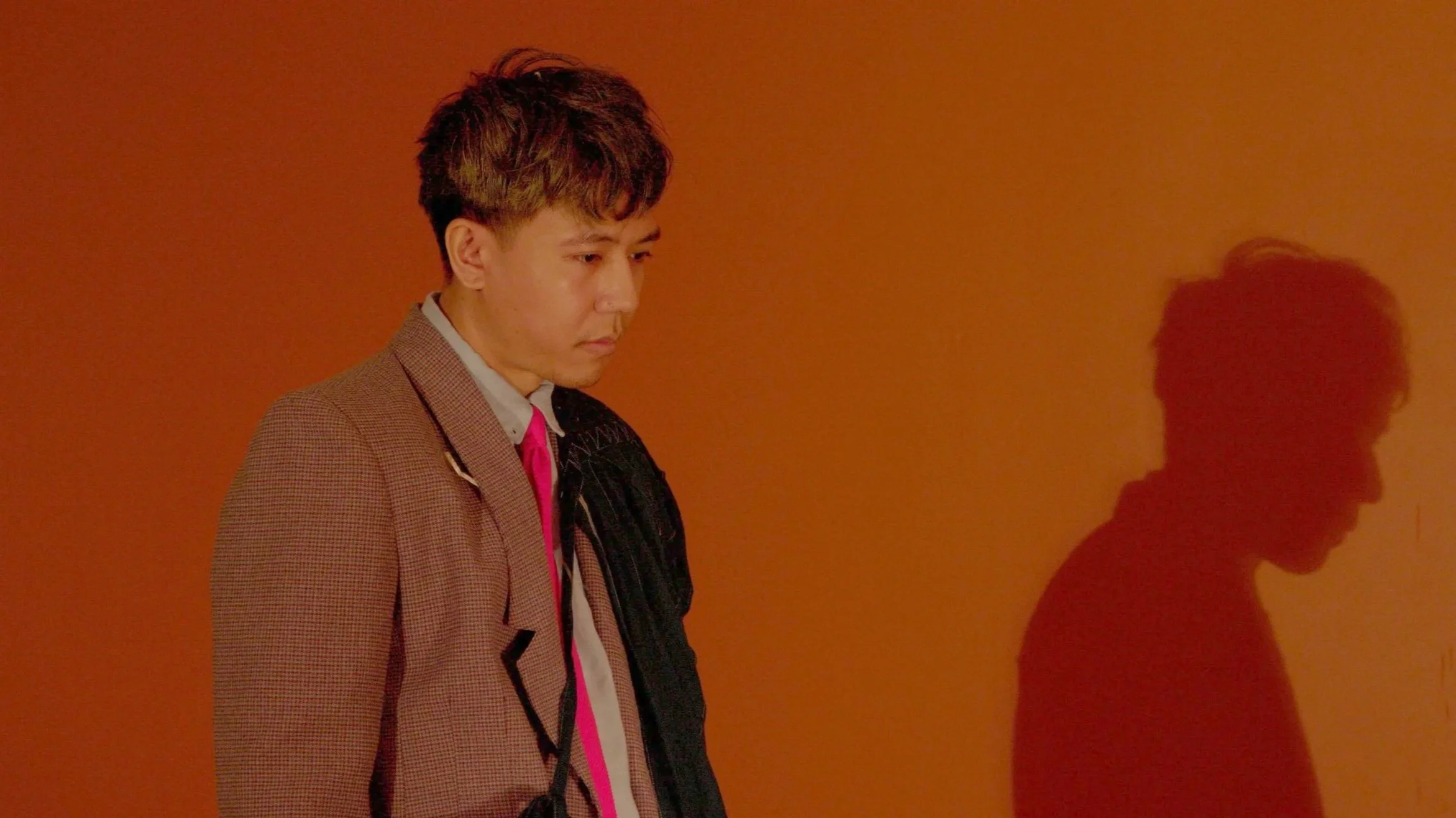
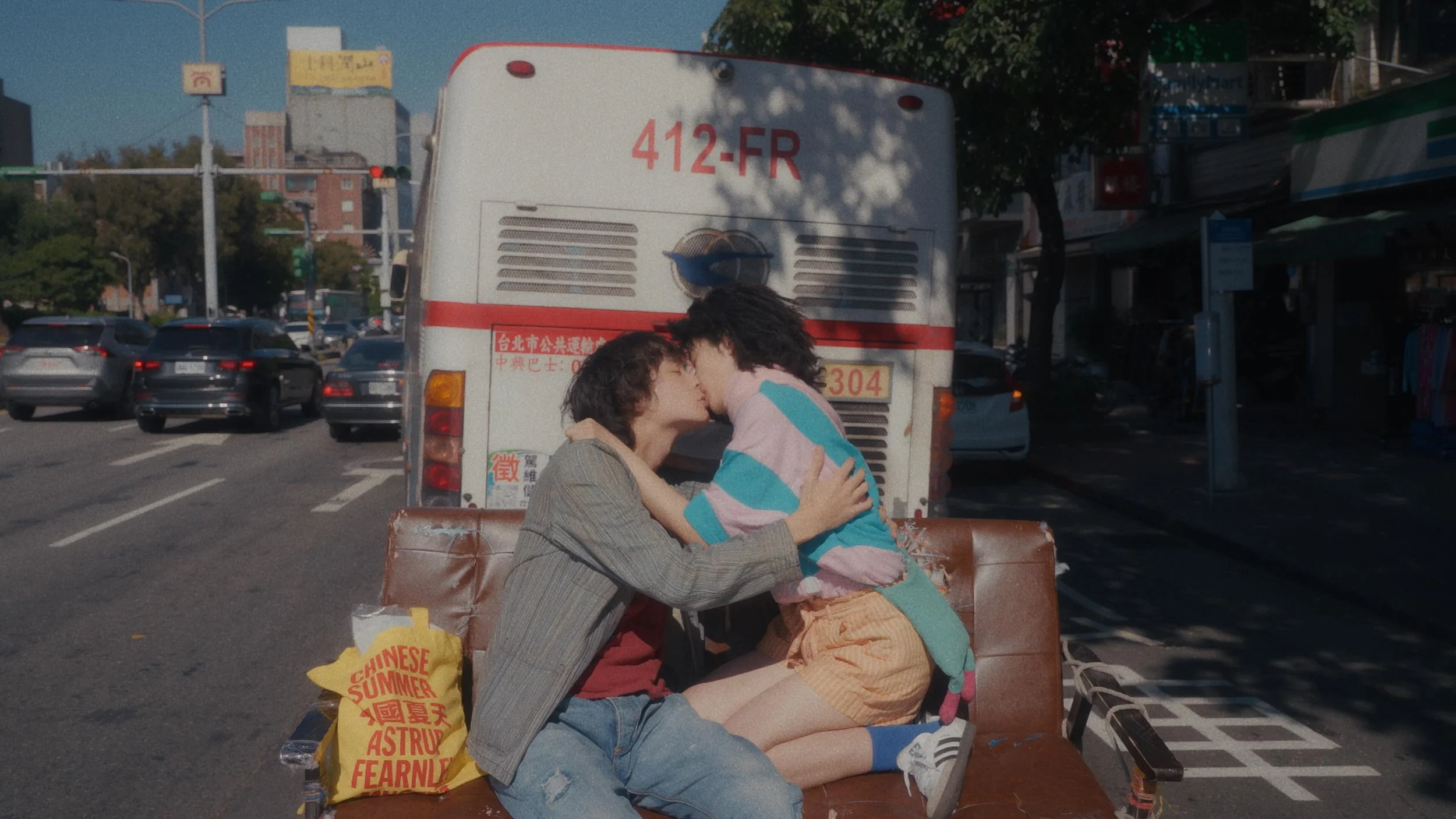
I Heard That They Are Not Going to See Each Other Anymore (Ka Ki Wong, 2026 86 min.)
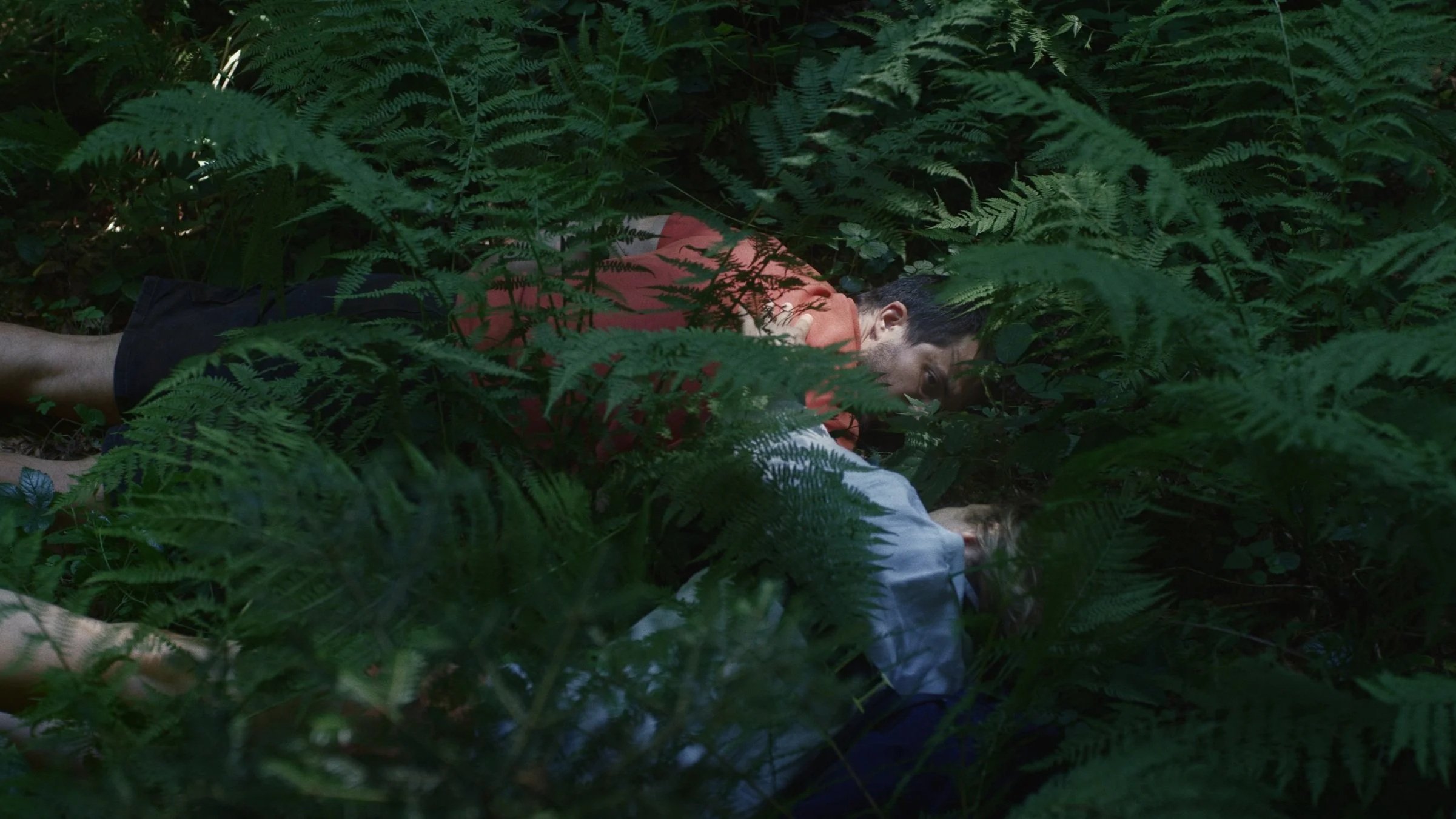
Parallel sets of (ill) fated lovers criss-cross Taipei in Ka Ki Wong’s chimerical feature debut, Prismatic Ground's 2026 Opening Night selection.Tao is infatuated with Shin, but can only express this affection by sending roving gangs to beat him up in public. Meanwhile, Melih, an immigrant from Istanbul who owns a noodle shop, receives an enigmatic, possibly omniscient flower from Yu-Ping, whom he falls hopelessly for. Connected in inexplicable ways, Melih and Tao search within and without for the ability to forge meaningful memories and relationships, leading them to wonder, “Is there a way to leave a mark without causing pain?”
-
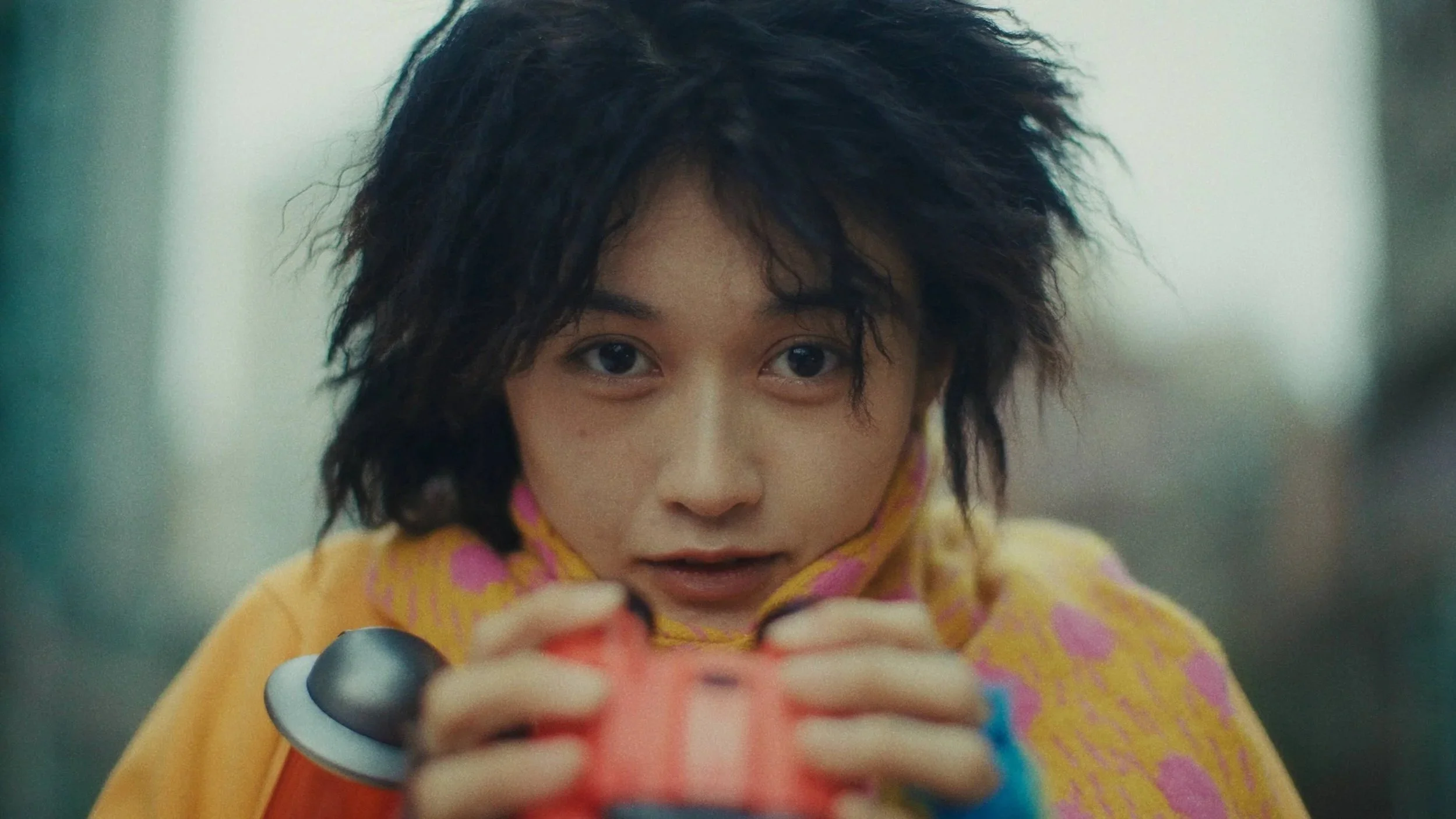
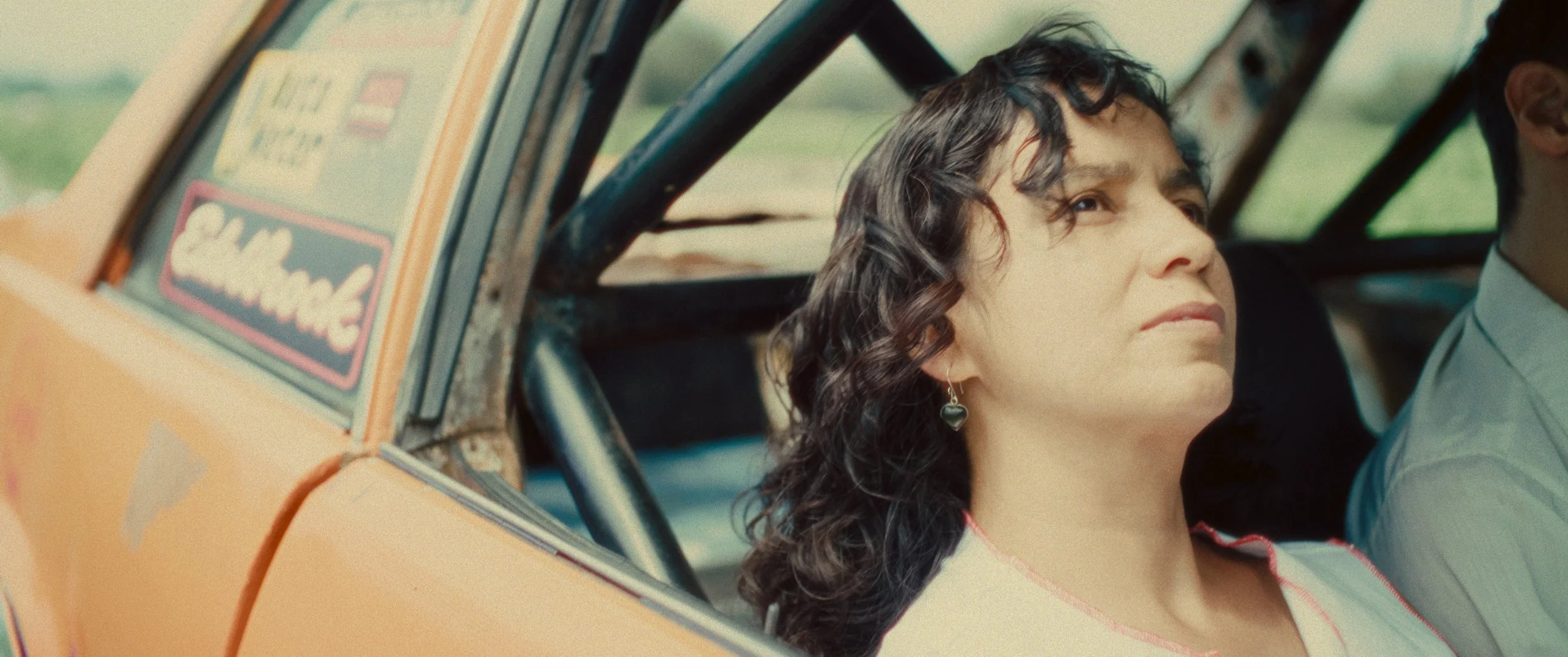
Cobre (Copper) (Nicolas Pereda, 79min)
In a remote mining town, Lázaro, a young worker at a copper mine, stumbles upon a dead body on his way to work, making him the target of suspicion from both his community and even his own family. As a respiratory illness forces him to stay away from the mine, doubts about his true condition grow, fueling rumors of his possible involvement in the crime. Lázaro finds solace in his aunt, who is only a few years older than him, as their relationship takes on an increasingly ambiguous nature. As the truth about the crime looms, Lázaro must confront not only the weight of suspicion but also that of his own desire. —Nicolás Pereda
wave 1: murder mystery of the mind
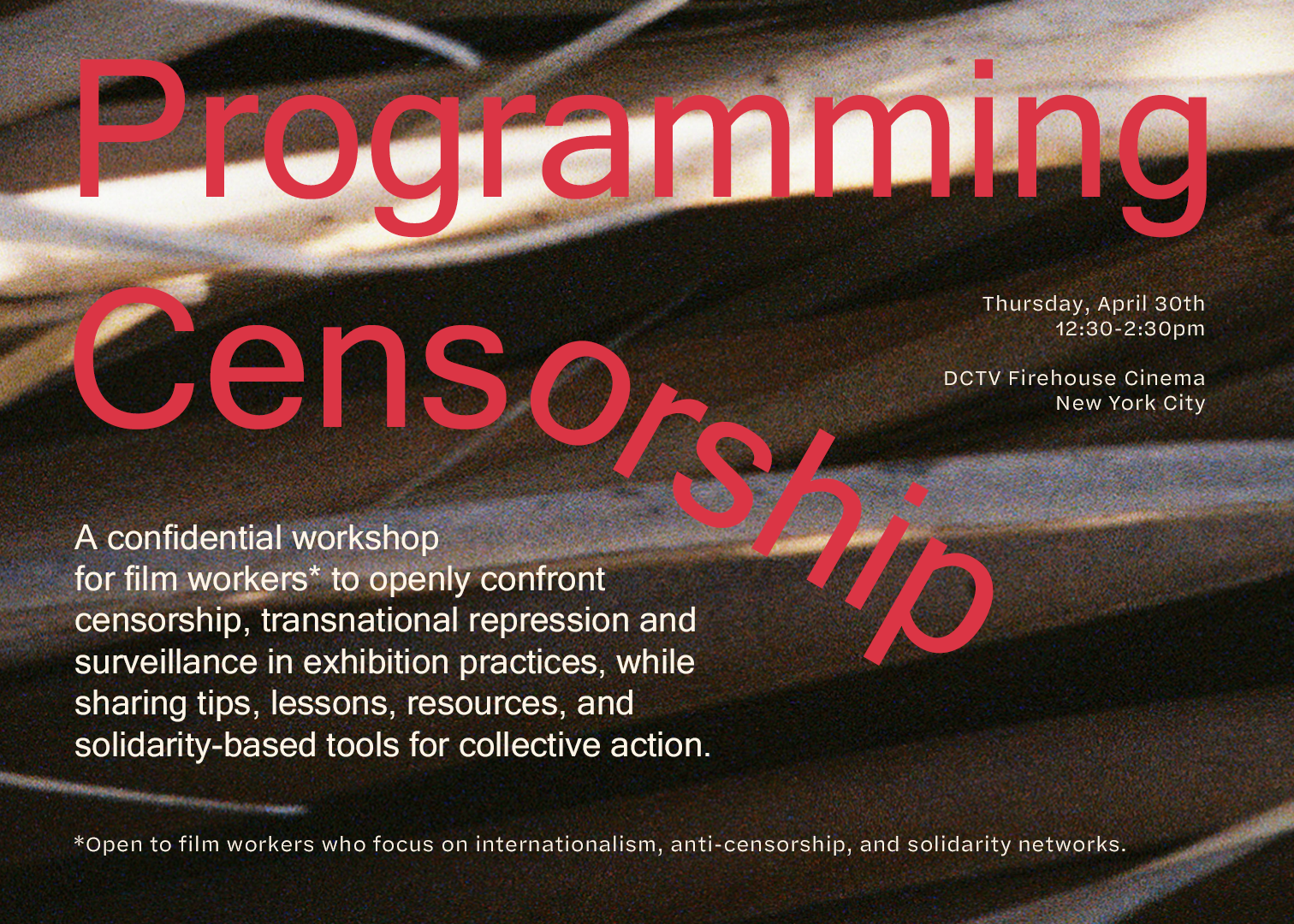
Programming Censorship Workshop
Thursday, April 30, 12:30PM
DCTV Firehouse Cinema
REGISTER (FREE)
Registration for this event will close on Monday, April 27
-
At a moment of rising censorship and surveillance, this two-hour workshop offers film workers a confidential space for open conversation, critical reflection, and practical exchange.
Grounded in case studies, lessons from international-facing programmers and collective discussion, the session will consider how these external political and internal institutional pressures shape programming, advocacy, and cultural work across different geopolitical contexts.
Beyond dialogue, the workshop aims to produce tangible outcomes: shared tips, lessons, resources, printed materials, and more equitable practices of solidarity that participants can carry back into their own work.
*Organized Anonymously, Facilitated Openly*
-
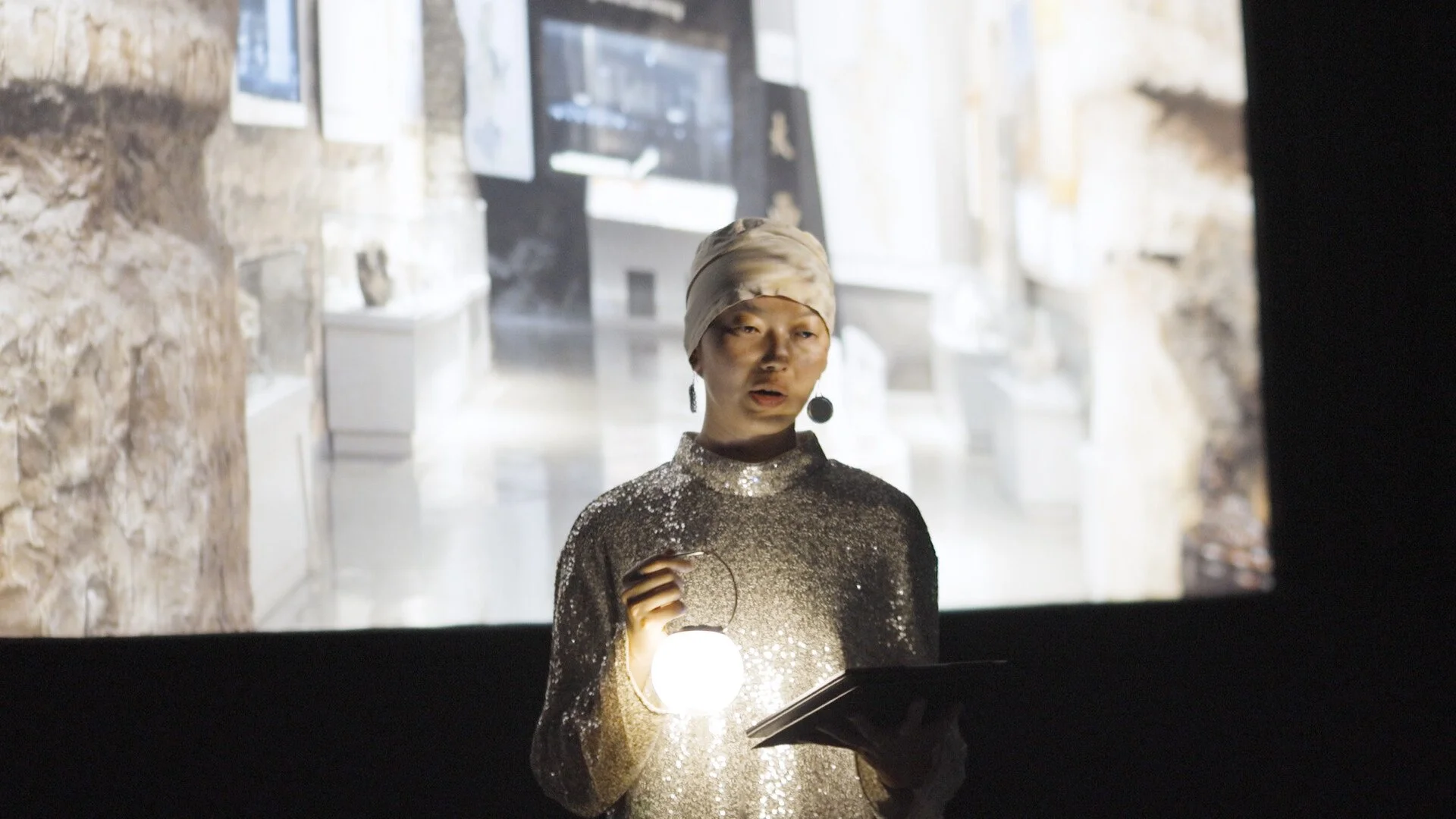
(Xiaolu Wang, 17min, Expanded)
An outsider from the future gets hold of a lost archive, sending us on a journey following associative clues in the movement of infinite yearnings. —Xiaolu Wang
-
(Rajee Samarasinghe, 8min)
This film emerged from footage originally captured for a feature documentary on enforced disappearances among Sri Lanka’s Tamil population—specifically, an interview with a mother whose son vanished in the war’s final stages. In revisiting this footage, I also revisit the challenges of representing this particular testimony, which eluded me, one that could not be fully conveyed within the framework of the original film. This iteration reshapes the original context, exploring the divide between me and her, the intersection of ethnographic and colonial perspectives, and questioning cinema’s ability to bear witness. Through silence, rupture, and absence, the film attends not only to what can be shown, but to what remains unreachable, withheld, or lost. The text read in the film was sourced from Robert Gardner’s memoir, The Impulse to Preserve. —Rajee Samarasinghe
-
(Sofía Gallisá Muriente, 24min)
A Bundle of Silences is an experimental documentary that circles around the 1983 Águila Blanca heist, when the Puerto Rican pro-independence revolutionary group Los Macheteros expropriated $7 million from a Wells Fargo depot in Hartford, Connecticut. At its center are two figures who remain out of reach: Víctor Gerena, the Puerto Rican employee who carried out the robbery and vanished beyond the FBI’s grasp, and his mother, Gloria Gerena, a community organizer, social worker and advocate for bilingual education who passed away in 2022. —Sofía Gallisá Muriente
-
(Onyeka Igwe, 19min)
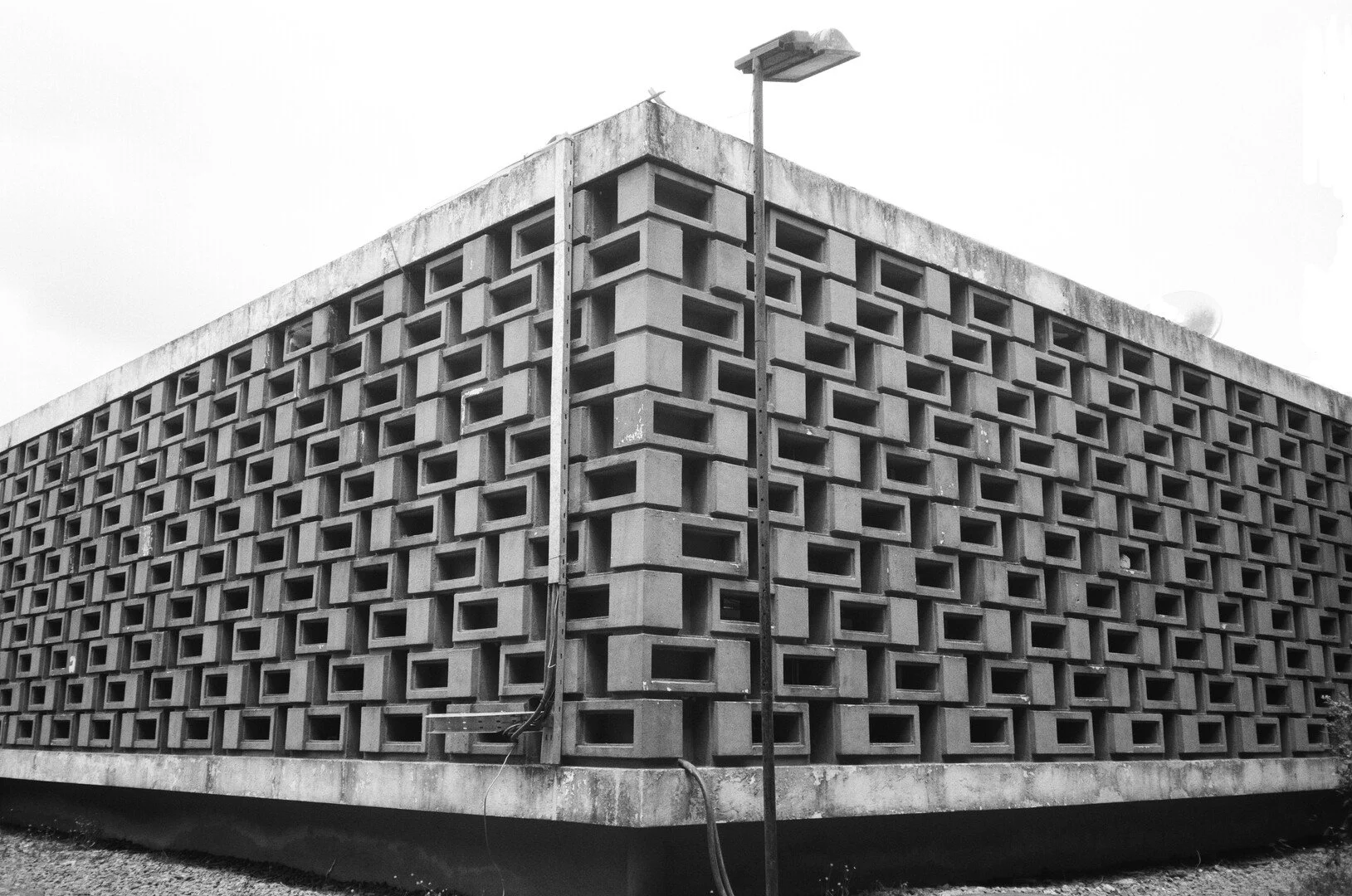
The University of Ibadan is an example of the university as a colonial project, one that sets the standard of success, of living the good life - the ‘civilised’ life. It was created in 1948 in south western Nigeria to produce docile and compliant colonial subjects, there to serve the interests of the imperial core. Post national independence, it flourished - proffering a new image conjugated by Nigerian thought and culture for a brief and bright moment. But then war came, British funding was withdrawn, and Nigeria’s economic independence was funneled into Western mandated streams, draining the university of its promise. Now it has become something of a shadow of its former selves, from the ‘Good old days to harsh reality’. And at the same time it is also the protagonist in a real life fairytale of social mobility that provides many, including my mother, the opportunity to assert an identity in contradiction to a predestined path. Allowing for self possession, mobility, independence and new horizons. How to reconcile these multiple and contradictory realities? What could this poisoned colonial chalice become if it is made in another image? Can it be made otherwise? Do we need to start again? What is an African university? How do I tell the story of the University of Ibadan? —Onyeka Igwe
-
(Darryl Daley, 5min)
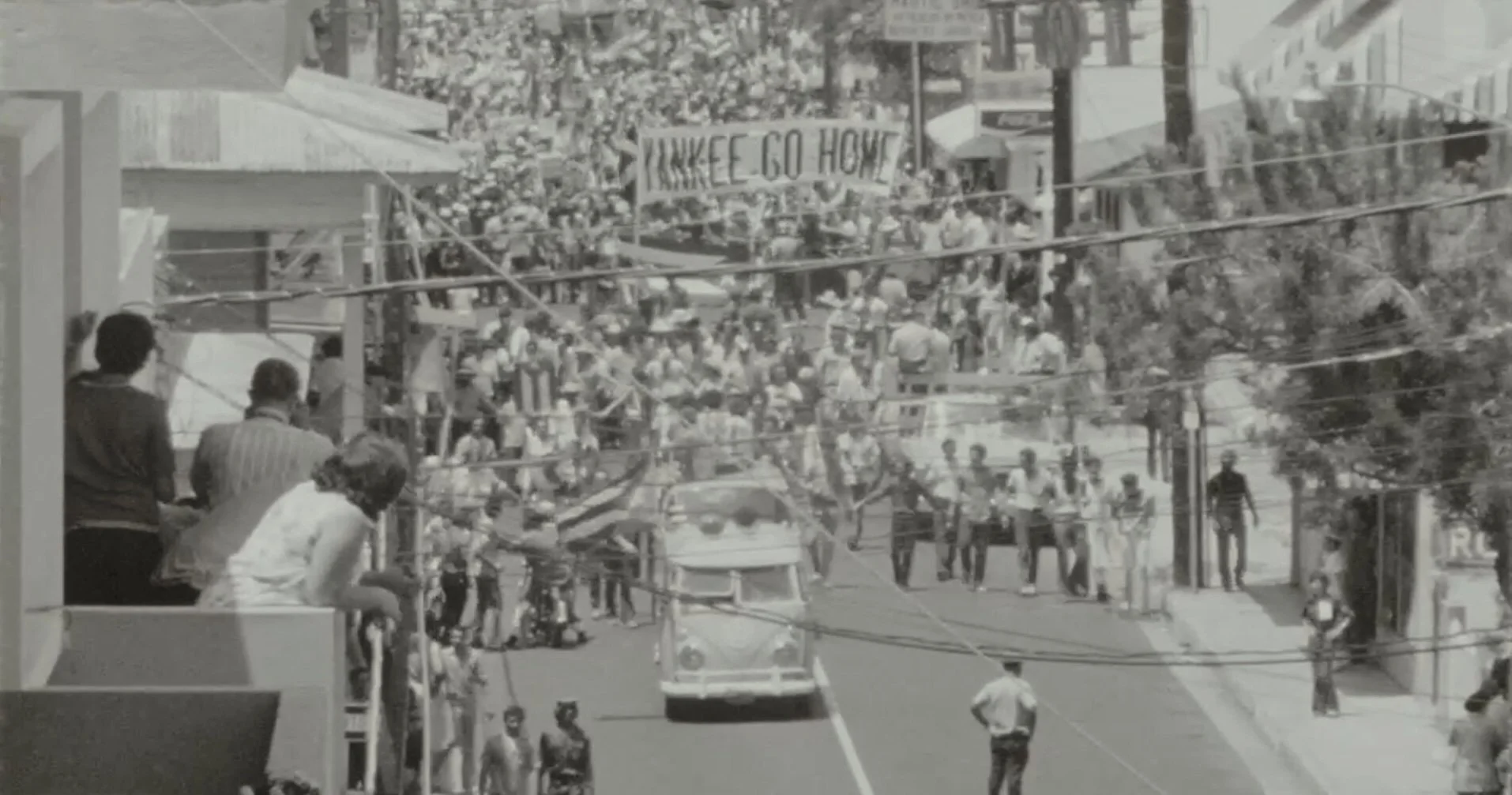
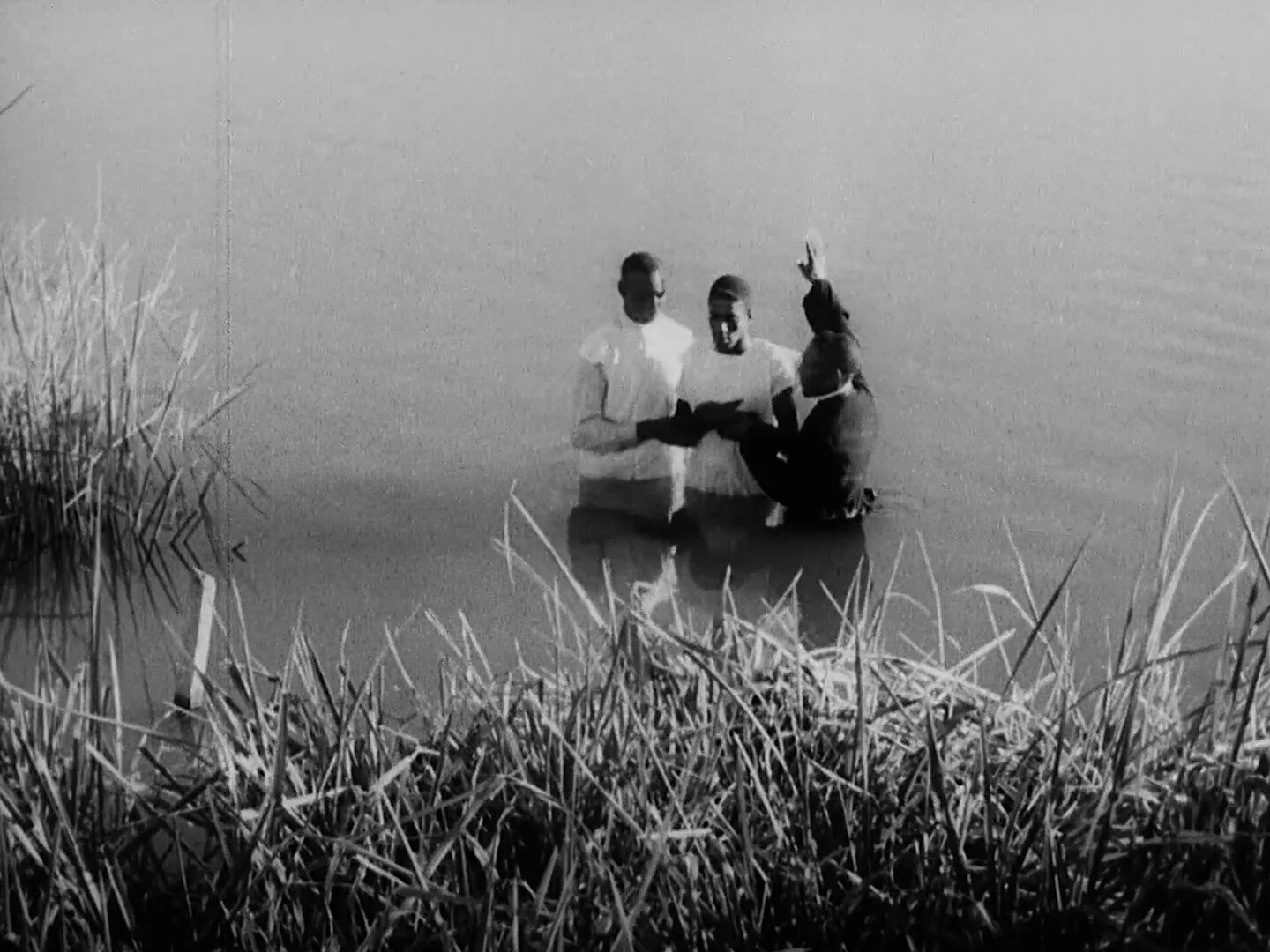
Through the circular dynamics of departure and arrival, arrival and departure, the ethnographic moving image observes the Black body in a circular state of transition, foregrounding its historical and metaphysical relation to the transatlantic through spirit, rhythm, and loop. Water functions simultaneously as memory, conduit, and an epistemological site of liminality. The crossing emerges as a structuring metaphor for the formation of modernity and, simultaneously, the moment of trance—arriving and departing—echoed through syncretic religion and ritual transformed within the New World. —Darryl Daley
-
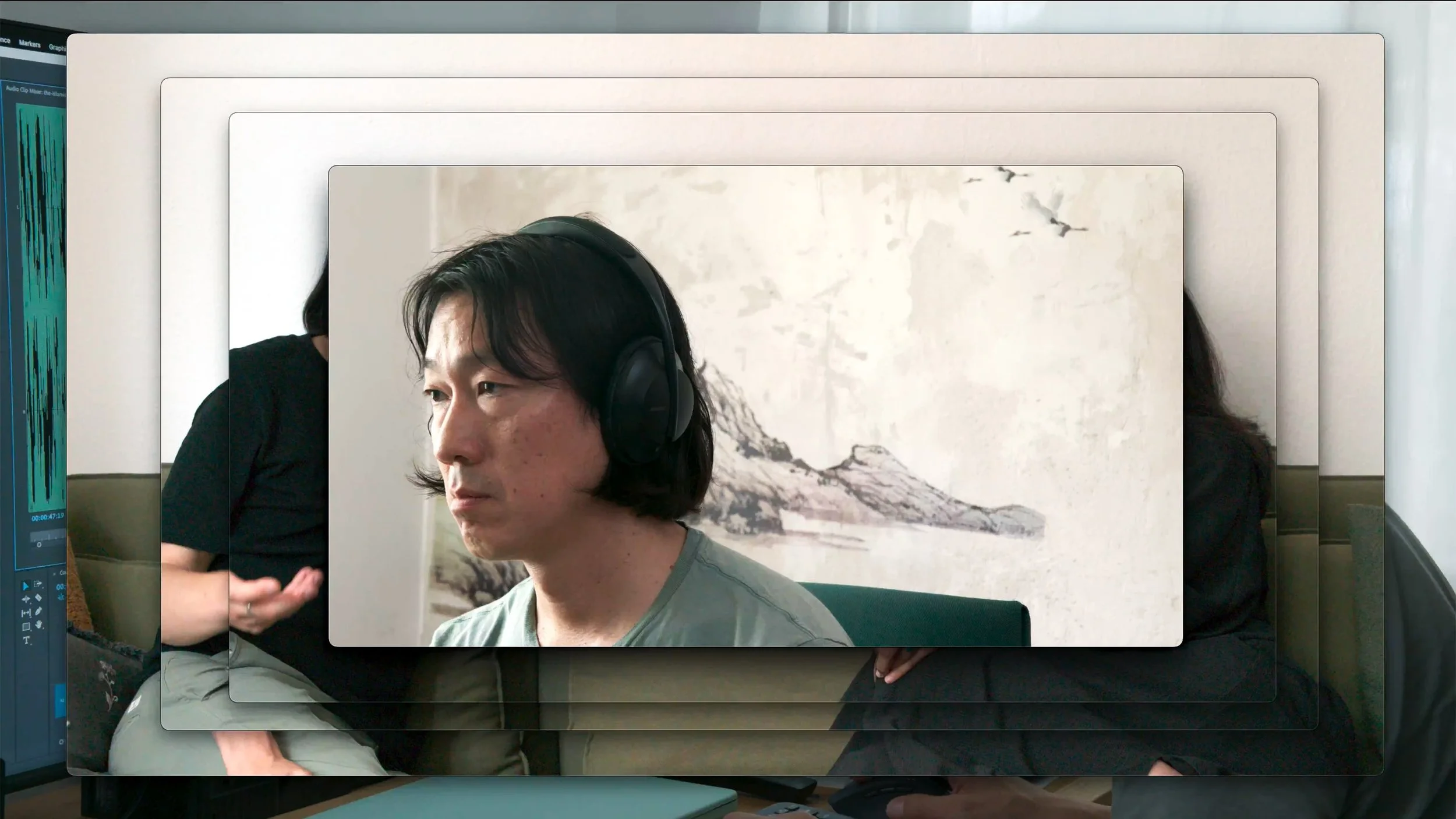
Afterlives (Kevin B. Lee, 88min)
Afterlives is a desktop documentary that critically engages with the historical and digital traces of extremist propaganda, questioning how images of violence circulate, mutate, and persist. The film moves between virtual investigations and real-world encounters with artists, activists, and researchers who seek to resist the toxic effects of such Media.
At its core is the figure of Medusa—a victim of violence whose gaze turned viewers to stone—invoked as a symbol of both the dangers and transformative potential of looking. From museum archives to AI-generated reconstructions, the film explores how power structures, spanning from the colonial past to the digital age, shape the way we see and remember violence. Can we ever truly look without being complicit? And is there another way to care? —Odd Slice Films
Let Them Be Seen + The Creature of Darkness
Thursday, April 30, 7:30PM
DCTV Firehouse Cinema
Short film + feature followed by Q&A.
-
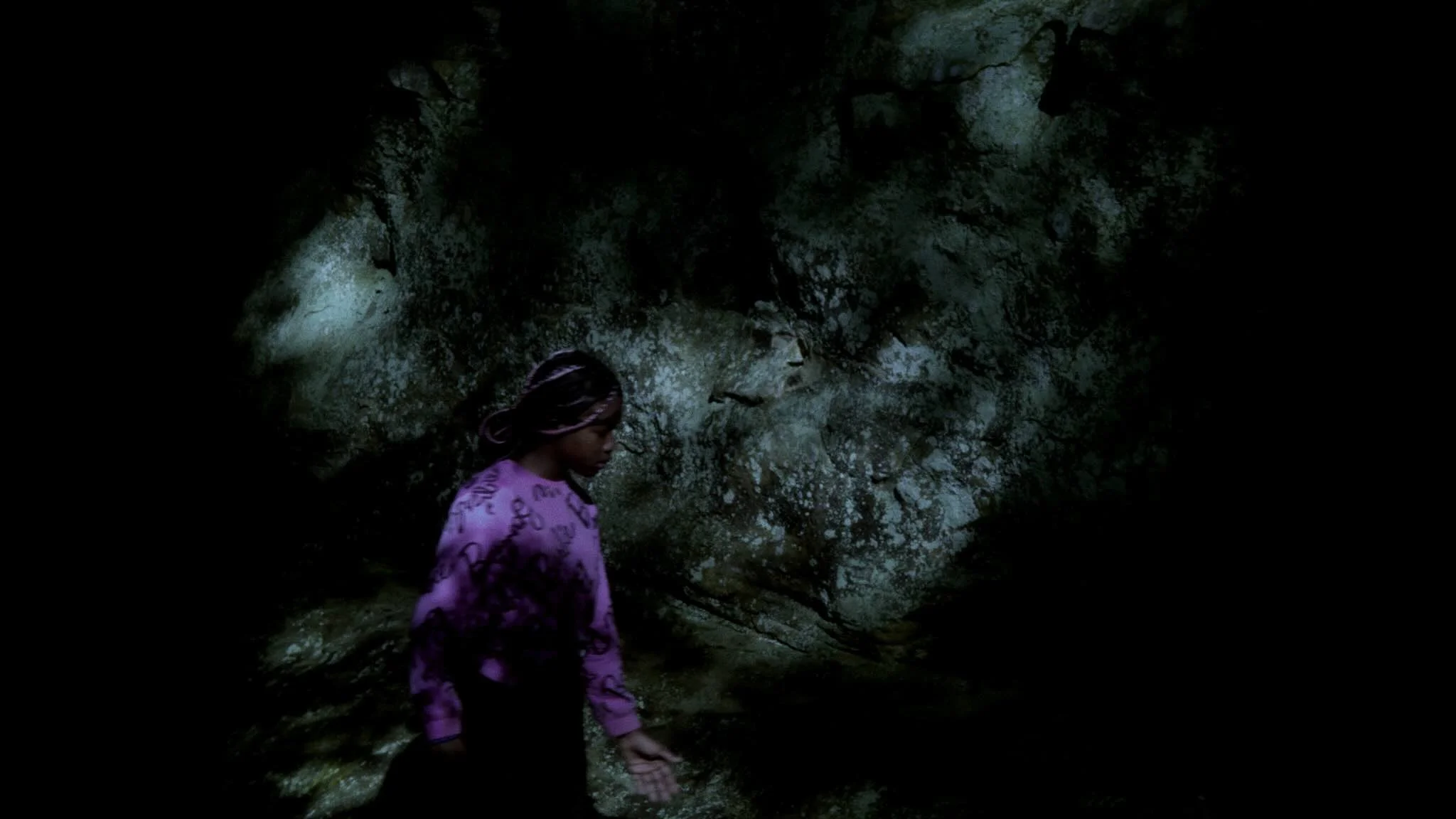
(Dir. Lisa Malloy, Ray Whitaker, 2026, 15min)
Darkness settles over Little Egypt. Brielle, Karri, and Nunu wander among the limestone outcrops and sandstone spires. In a cave that sheltered freedom seekers along the Underground Railroad, their uncle shares a story of a creature that stirs at night. —Lisa Malloy, Ray Whitaker
-
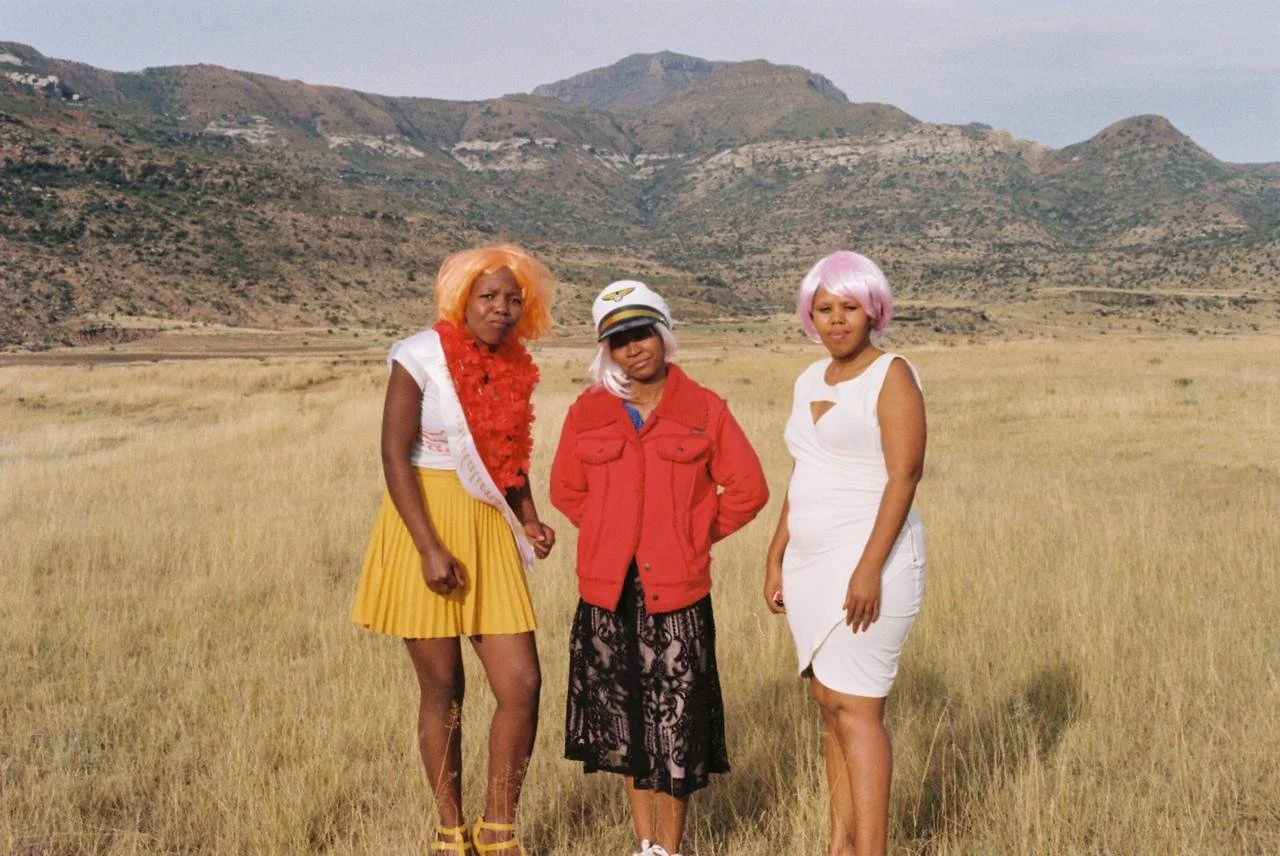
(Nolitha Refilwe Mkulisi, 2026, 75min)
In Tapoleng, a small forgotten and profoundly religious South African village tethered to three borders that form a kind of holy trinity, a new religion emerges. Once the church served as refuge during the old apartheid order, later giving way to communion in taverns. Now, this evolution culminates in the camera... A sacred spectacle that subtly supersedes the spiritual, where no other authority offers anything worth believing in but themselves. —Brown Flamingo Productions
Uchronia + Swing Swish Sway
Thursday, April 30, 9:30PM
DCTV Firehouse Cinema
Short film + feature followed by Q&A.
-
(TT Takemoto, 2026, 7min)
Inspired by Rosalie 'Rose' Bamberger (1921-1990), the mixed-race Filipina American paintbrush maker and co-founder of the Daughters of Bilitis (DOB) in 1955. When DOB shifted their focus to becoming the first US lesbian political rights organization, Rose and her partner Rosemary faded from the historical record. What they truly sought was a 'secret society for lesbians' -- a space to dance, drink, and dine without fear of police raids. —TT Takemoto
-
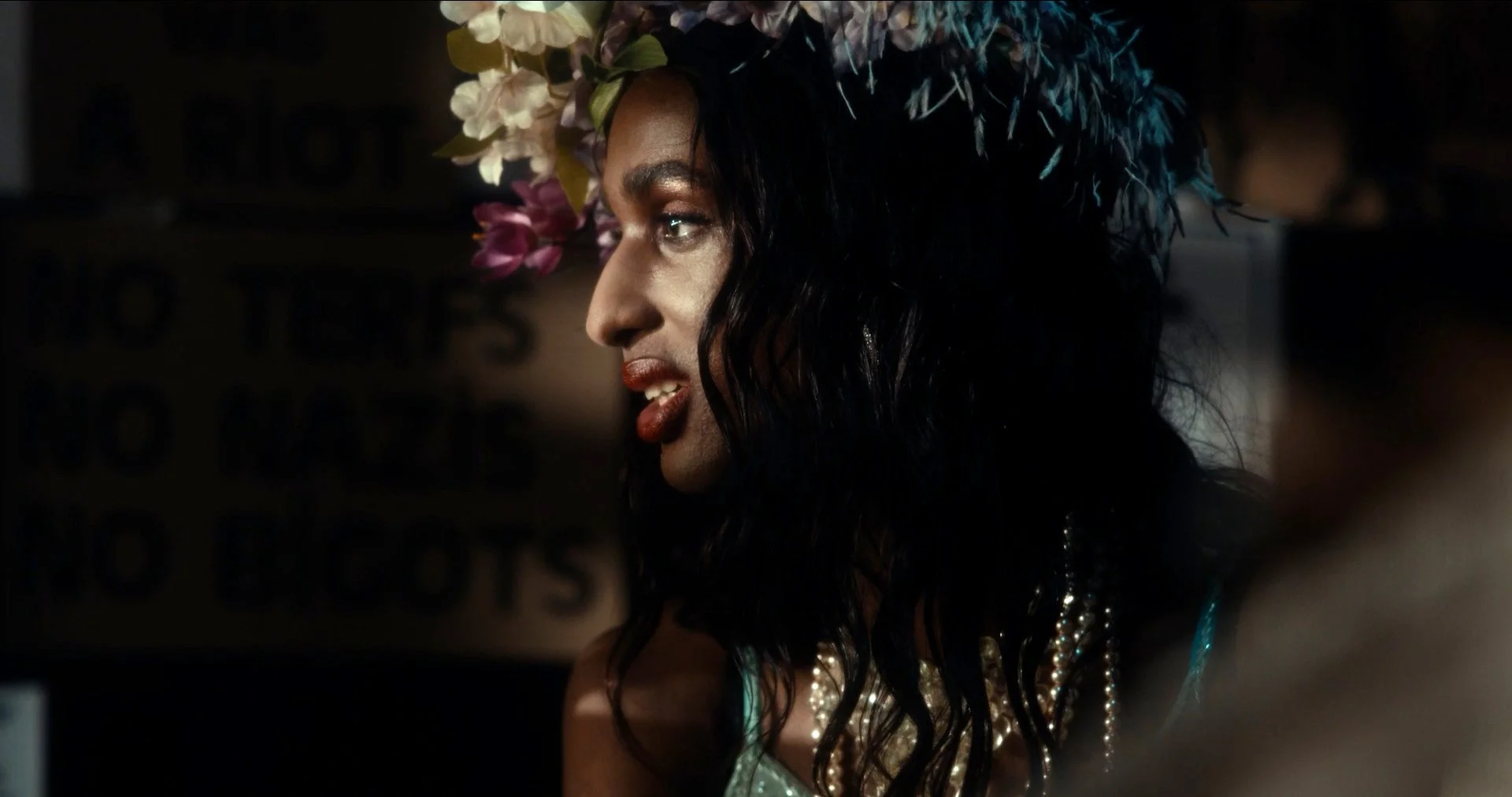
(Fil Ieropoulos, 2026, 97min)
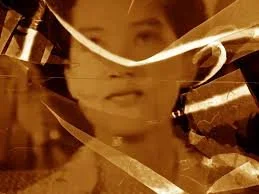
The ghost of the French poet Arthur Rimbaud travels through history, encountering revolutionary figures such as Emma Goldman, David Wojnarowicz, and Marsha P. Johnson. These encounters create a multilayered collage that raises questions about identity, the meaning of revolution, and the role of the artistic avant-gardes. —FYTA Films
-
(Chae Yu, 2025, 15min, Expanded)
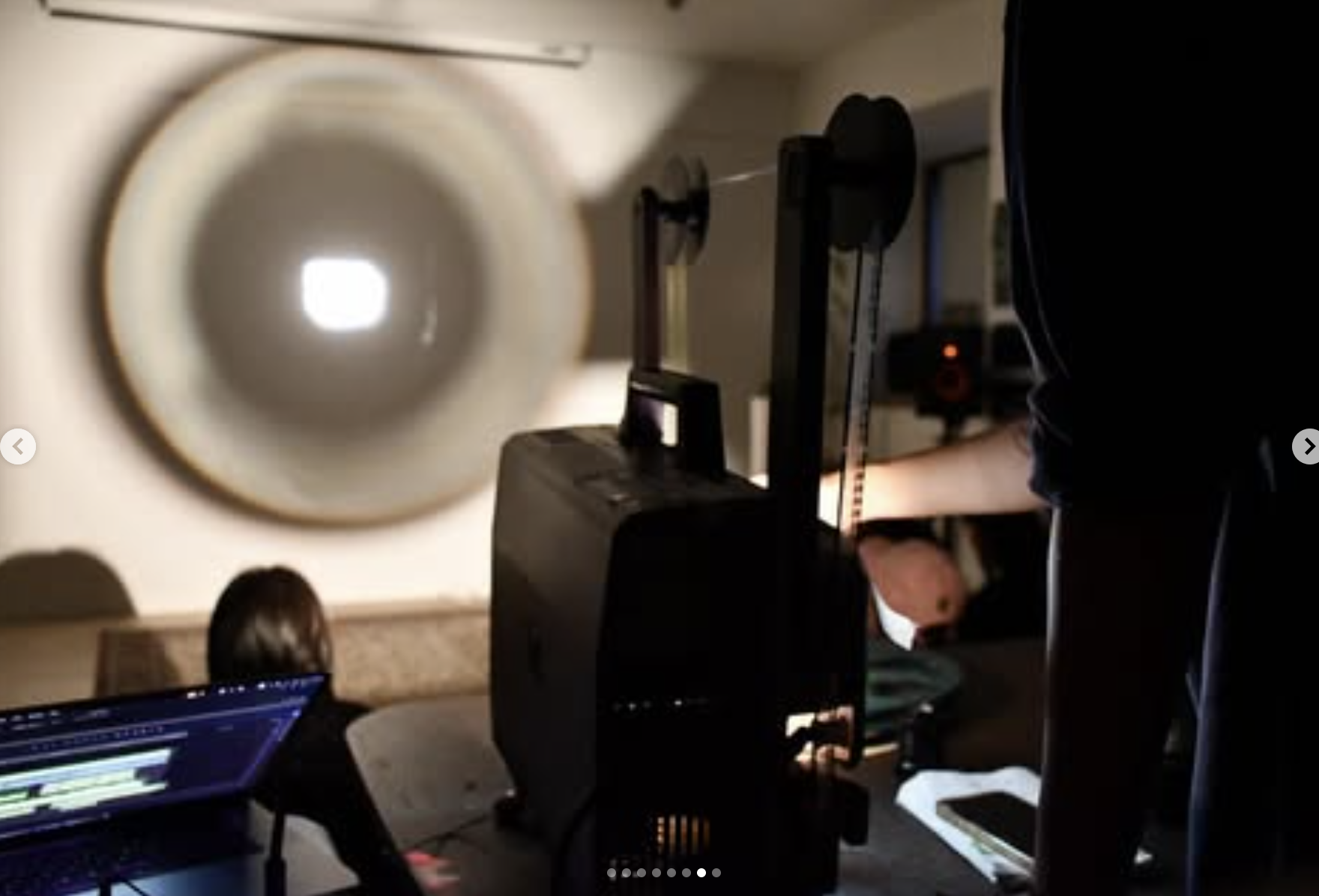
Inspired by The Feynman Lectures on Physics, 1964: The fact that there is an enhancement of contours has long been known; in fact it is a remarkable thing that has been commented on by psychologists many times. In order to draw an object, we have only to draw its outline. How used we are to looking at pictures that have only the outline! What is the outline? The outline is only the edge difference between light and dark or one color and another. It is not something definite. It is not, believe it or not, that every object has a line around it! There is no such line. It is only in our own psychological makeup that there is a line; we are beginning to understand the reasons why the “line” is enough of a clue to get the whole thing. Presumably our own eye works in some similar manner—much more complicated, but similar.
-
(Michael Barwise, 2026, 10min)
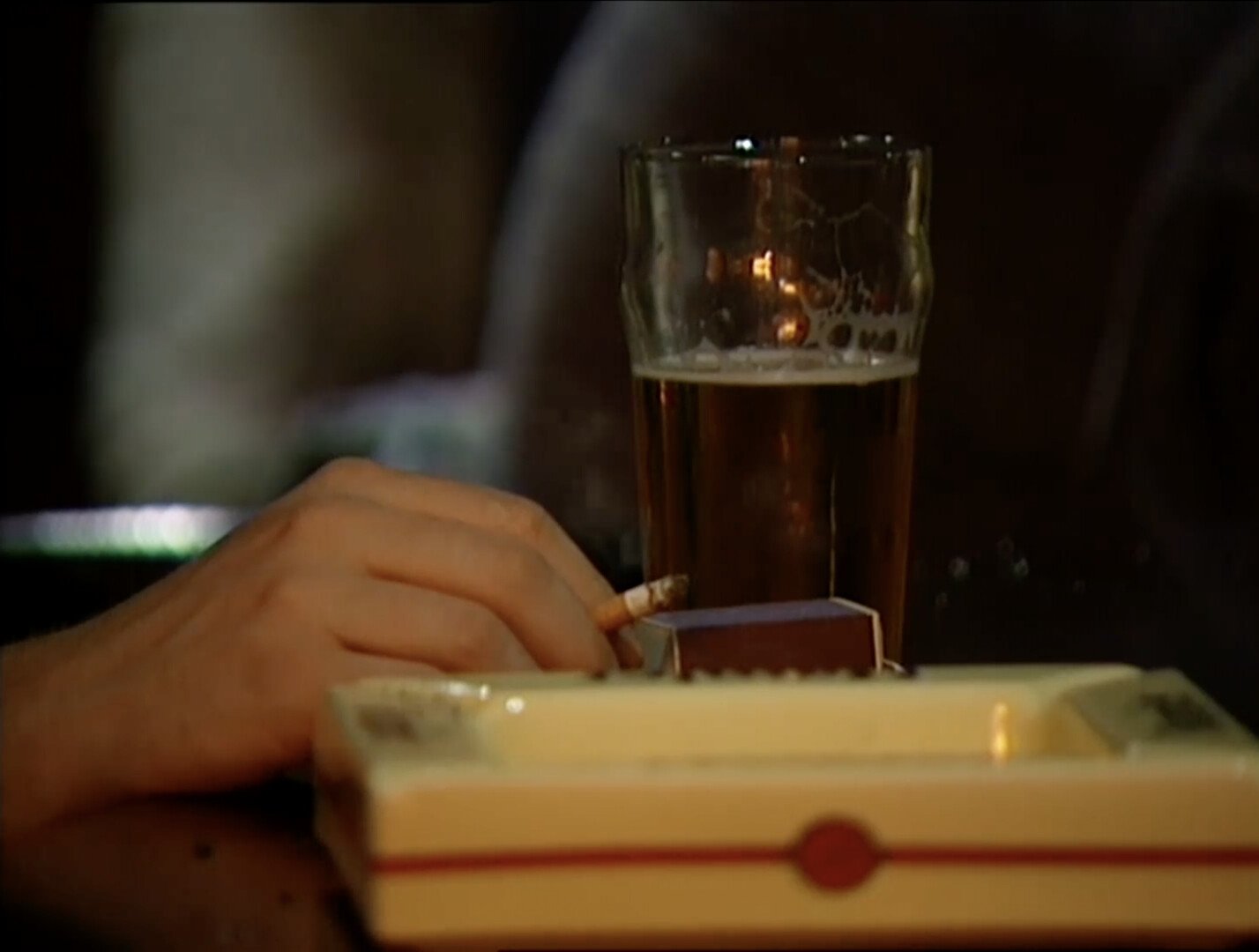
A documentary crew take a pub crawl through 1990s Derry (N. Ireland), observing the young revellers who give themselves to the night while the eyes of the security forces watch on. Using archive, ‘That sanity be kept’ explores being young, being watched and getting drunk during a ceasefire. —Michael Barwise
-
(Ka Ki Wong, 2026, 10min)
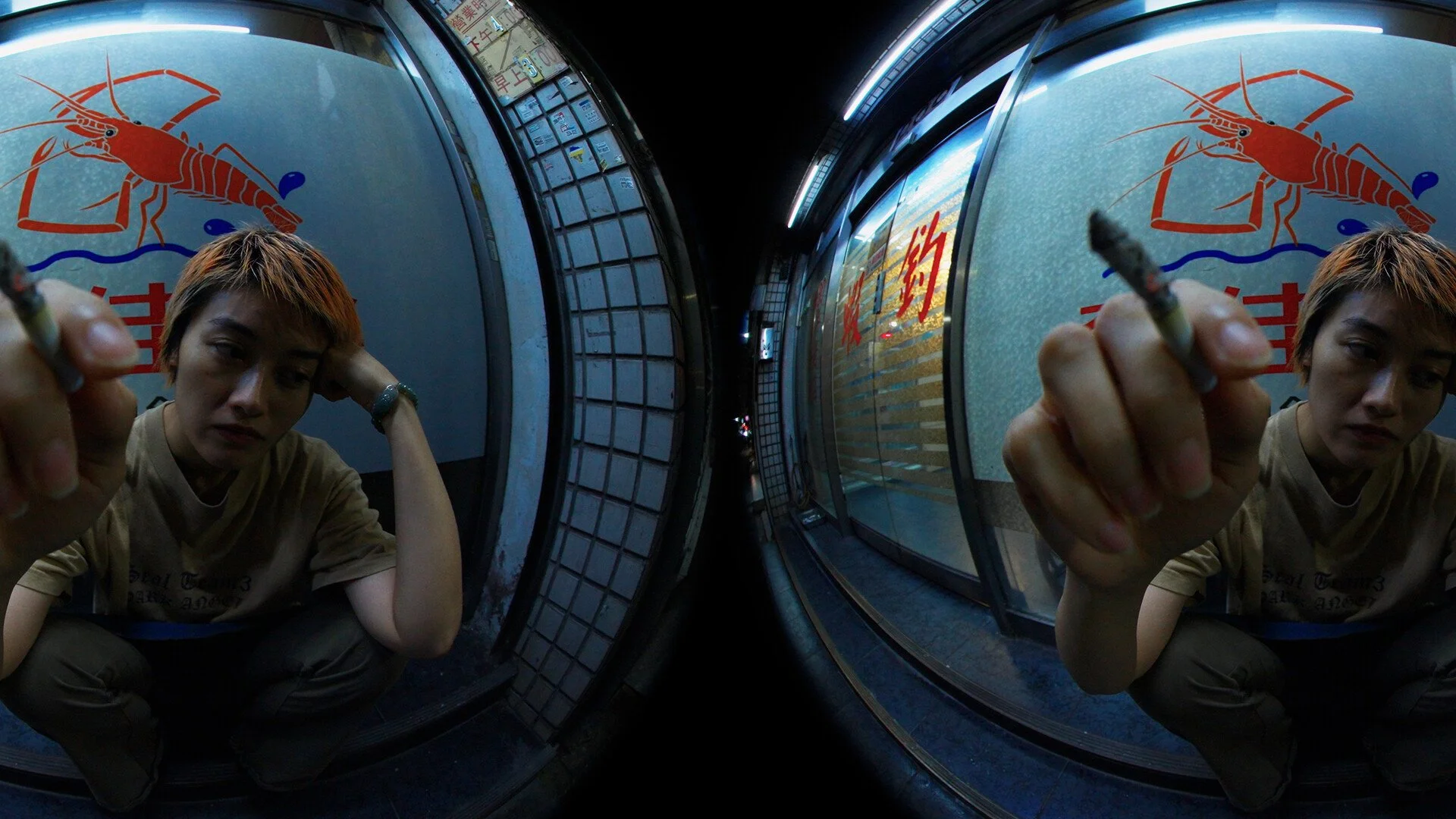
During a casting session, an actress auditions to play a shrimp. As her performance unravels, so does her certainty. Watching from behind the glass, the shrimp begin to question not only her, but also what it means to be represented — and whether something truly real can ever be performed. —Ka Ki Wong
-
(Angelo Madsen, 2026, 6min)
How shall I cater best to your desire for me to be visible? Set up as a confessional-cum-guided meditation, My Structuralist Film uses performance artist Tehching Hsieh's One Year Performance (“Time Clock Piece”) as a framework to illustrate the filmmaker's (presumable) insides. How thoroughly should a trans body want or need to be visible? On what terms is the filmmaker obligated to narrativize, perform, or even fabricate visibility for the sake of an audience? Considering the limits and limitations of disclosure, this project positions the act of looking not as an offering or an exchange, but as an unyielding neoliberal, capitalist thirst to consume the trans body, to literally see from the inside. —Angelo Madsen
-
(Eislow Johnson, 2026, 14min)
Need help? Crashouts, manifestation influencers and injury lawyers collide in this breakneck ride through the Midwest. 50 years after attorney ads were first legalized in the U.S., their ubiquitous self-portraits (allegedly) invoke a churn-and-burn economy of volume, velocity, fears and veneers. —Eislow Johnson
-
(Lev Kalman, Whitney Horn, 2026, 15min)
Like two snakes chasing each other’s tails, time wriggles forward and backwards in Lev Kalman and Whitney Horn’s surrealist satire. In 2001, a pair of young investigators wander a mansion that is haunted by both its eastern relics and their western collector. Meanwhile, in the present day, they are watched by The Therapists, two Lululemon-clad researchers following metaphysical wellness rituals. A mysterious lo-fi kaleidoscope, with cameos by Condoleezza Rice, Shah Jahan, and Brendan Fraser. —Lev Kalman, Whitney Horn
wave 2: cinema is
All tickets to Light Industry events must be purchased in person day-of.
ouarda ouarda: yet another flower film + Endless Ascent
Friday, May 1, 6:00PM
Light Industry
-
(Samy Benammar, with live musical accompaniment by Nicholas Ray, 2026, 25min, Expanded)
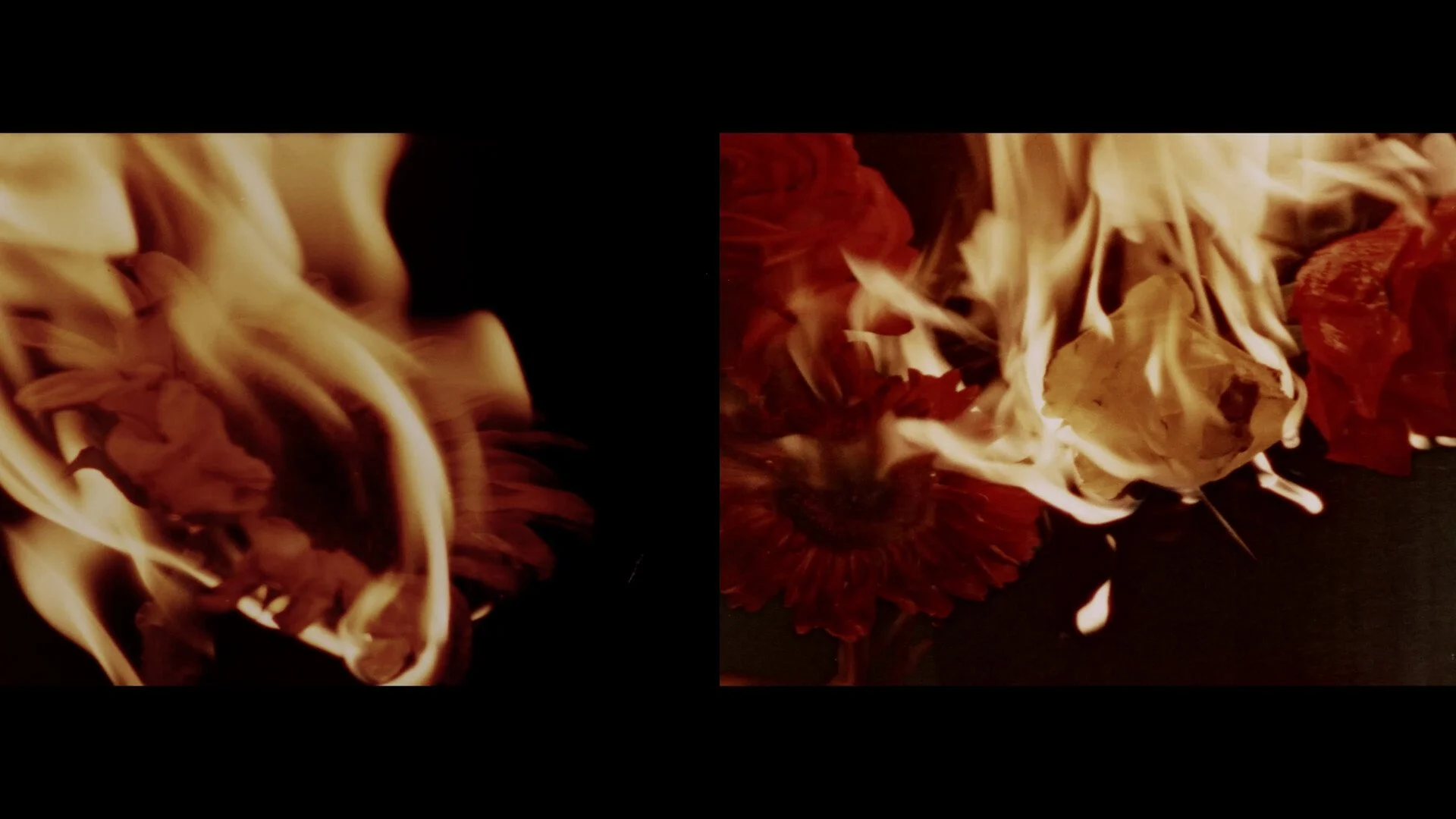
In April 2023, biologists published a study proving that plants emit sounds when subjected to various types of stress. These ultrasonic sounds remind me of the silence of our time, burying suffering. Bursts of flowers flicker along a filmstrip, just before or right after the flames. —Samy Benammar
-
(Félix Caraballo, 2026, 25min, Expanded)
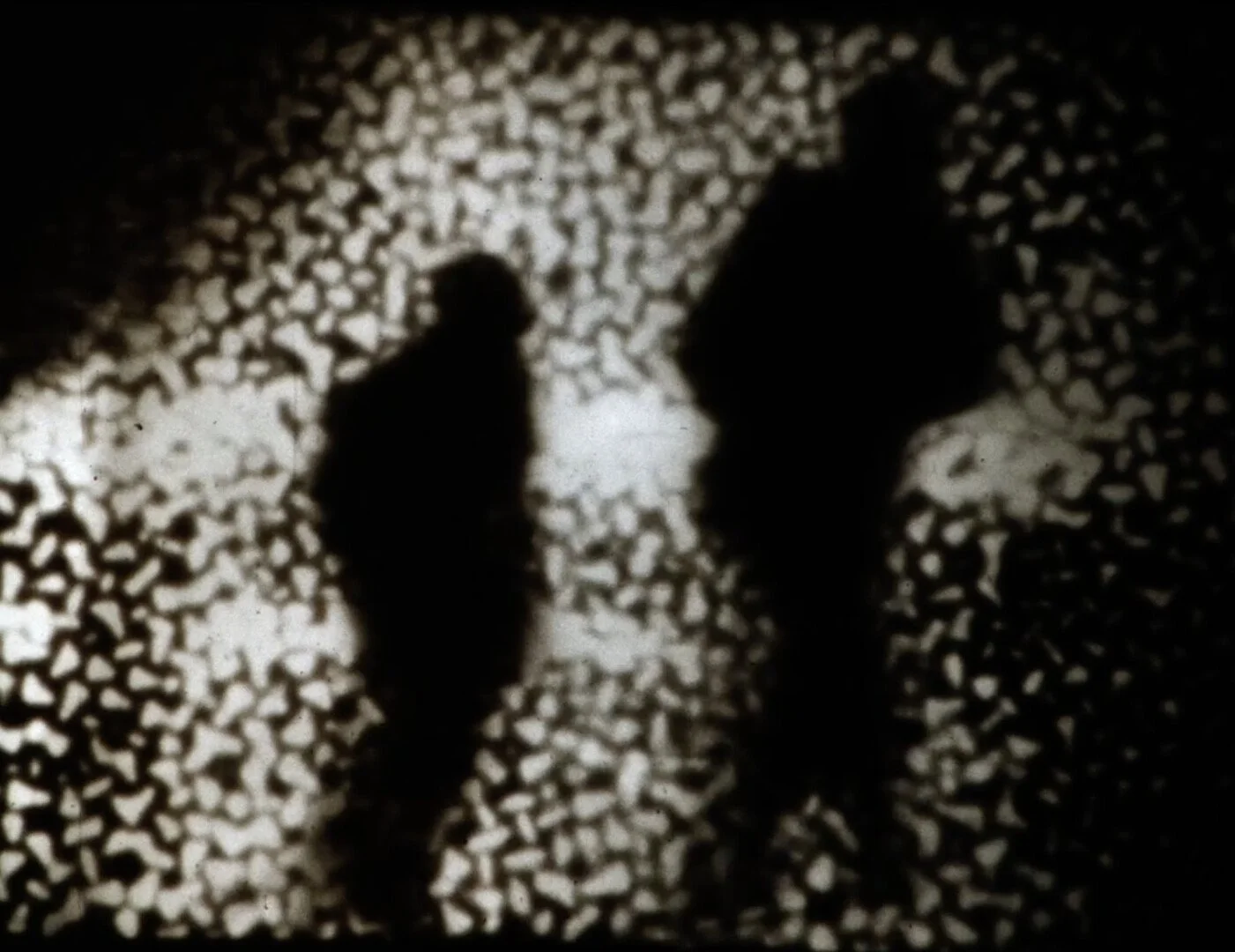
A group of travelers attempts to complete the endless ascent. Endless Ascent is an expanded cinema piece combining the electroacoustic music of Merlin Campbell and the 16mm projections of Félix Caraballo. The experiment is based on the reuse of several found footage films from institutional archives. —Félix Caraballo
Lecture: From ‘Images and Sounds’ to ‘Frames and Cuts’
Friday, May 1, 8:00PM
Light Industry
-
Isiah Medina, 60min, Lecture
What is the relation between frames, cutting, and images? What is the relation between finitude, infinity, and the absolute place where all pictures lie? If past, present, future are mere agential perspectives, is this also true for the differentiation between pre-production, production, and post-production? If mathematics = ontology, can we use the set-theoretical idea of infinity to produce a 'movie-set theory'? If we can make any finite picture today, what forms of infinite cutting can assist us in organizing images to see the world anew? What is sync sound's relationship to death? —Isiah Medina
Leather Graves + Desire Lines
Friday, May 1, 10:00PM
Light Industry
Short film + feature
-
(Malic Amalya, 2025, 12min, 16mm)
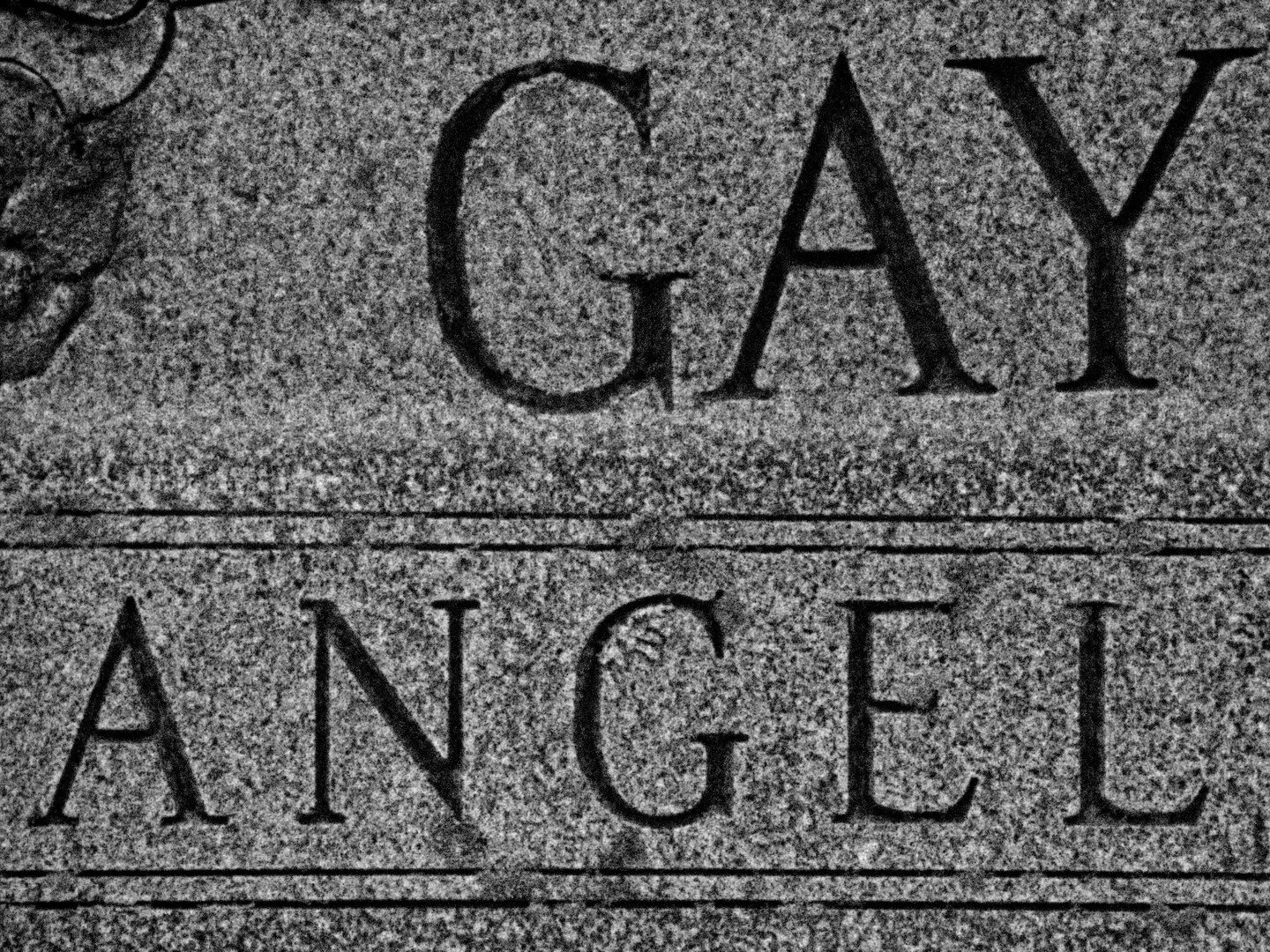
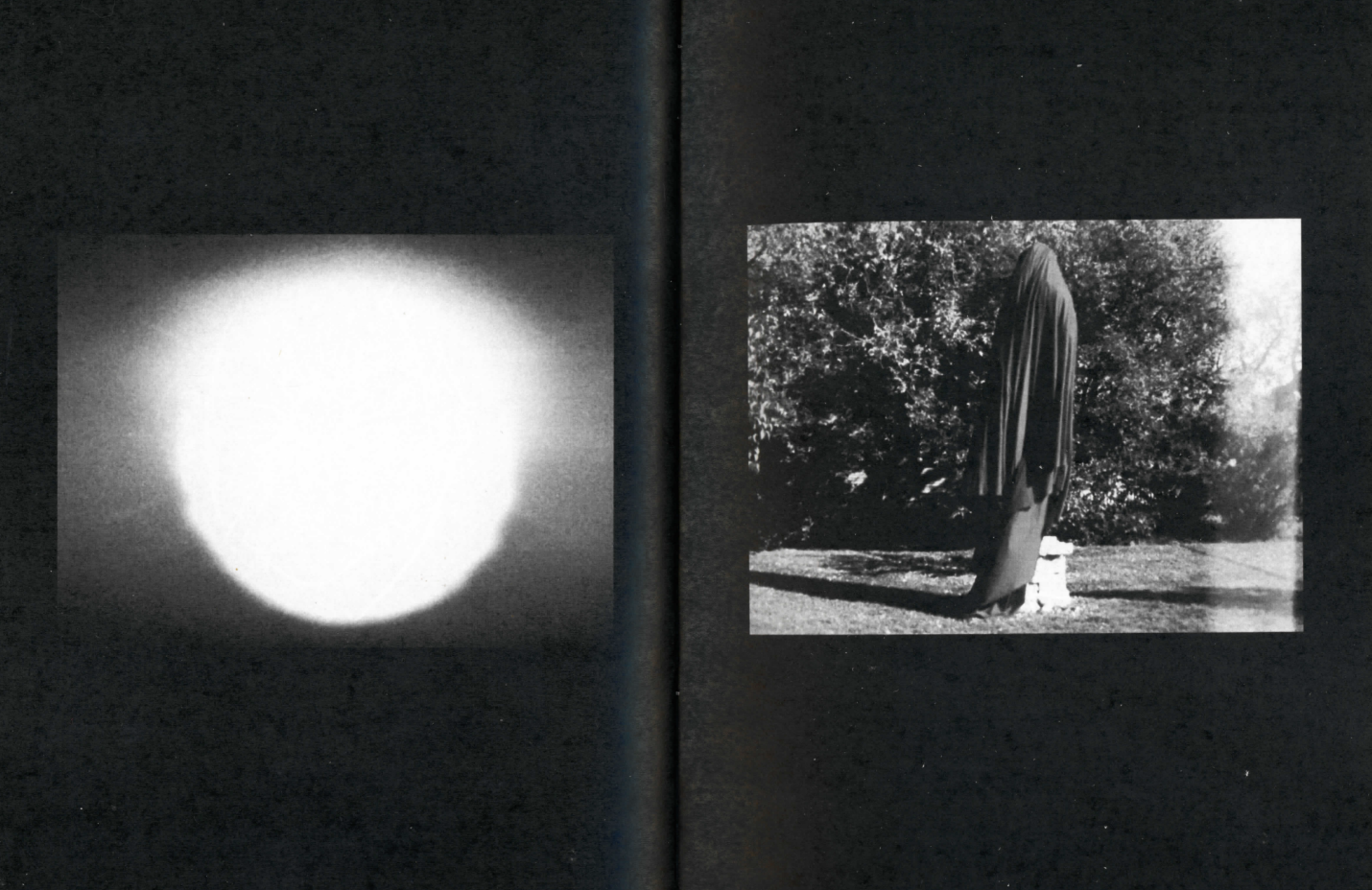
Leather Graves is an experimental 16mm film that explores the permeable boundaries between exile and ecstasy. Cruising amongst gravestones engraved with references to queer culture and sexuality, queers defy death by devouring candy-coated blossoms. The epitaphs were created by double-exposing inscriptions on gravestones (largely last names), using an in-camera double exposure technique with a Bolex camera and a matte-box. The cast and crew are all trans, nonbinary, gender nonconforming, and/or femme queer people. —Malic Amalya
-
(Dane Komljen, 2026, 107min)
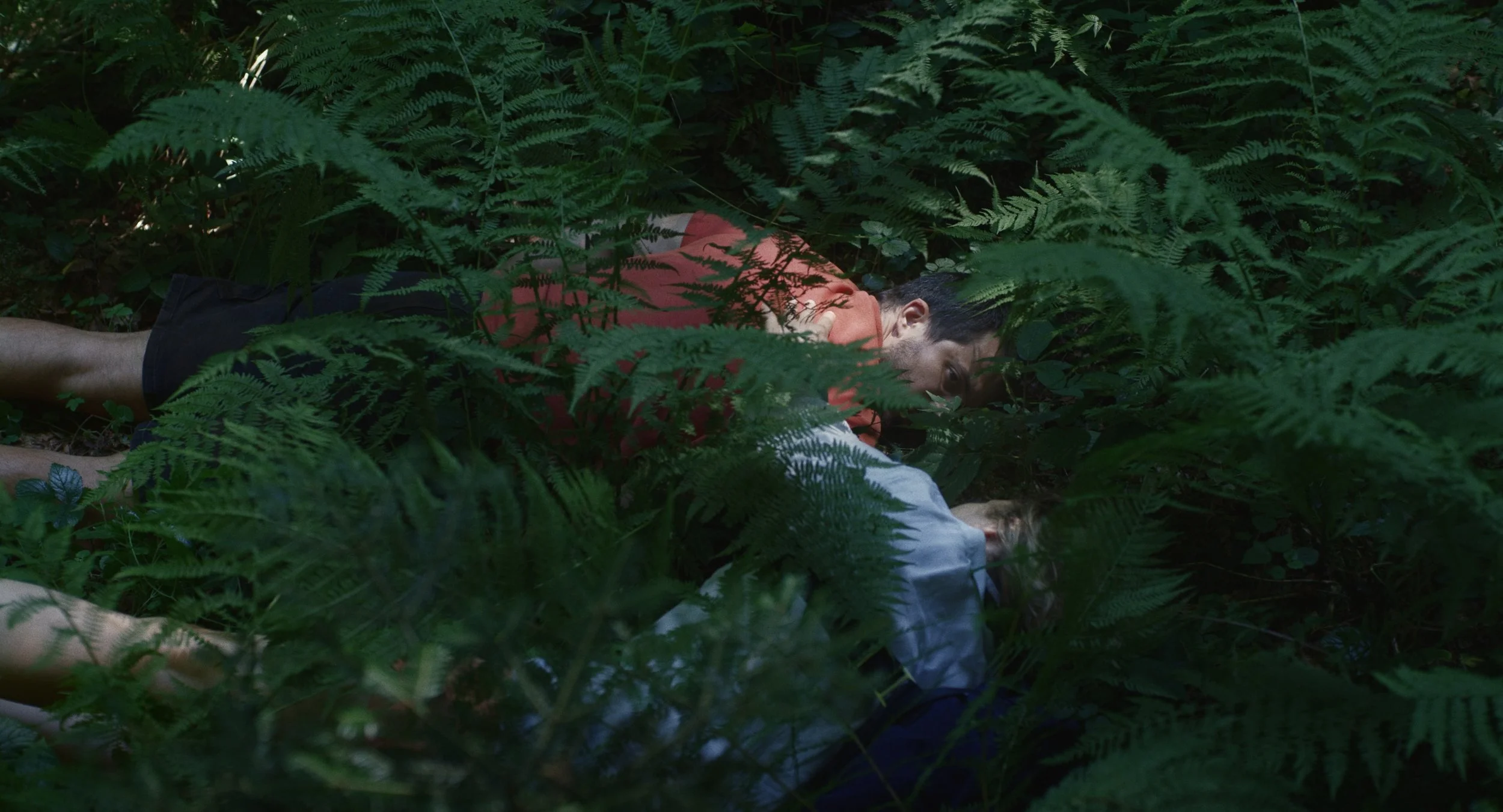
Branko dwells on the fringes of Belgrade society. Unable to sleep and isolated, he speaks to no one. His only obsession seems to be his younger brother, whose muddy shoes, bloodstained sheets, and murky whereabouts unsettle him. Making his way through passageways, park bushes and brutalist landscape, Branko shadows his brother’s every step, haunted by his strange behavior. As the paranoia sets in, Branko realizes his brother isn't the strange one. He is. —Square Eyes
wave 3: on the far side of twilight
Weh deh here + Joy Boy: A Tribute to Julius Eastman
Saturday, May 2, 11:00AM
Anthology Film Archives
TICKETS
Short film + feature.
-
(Maybelle Peters, 2025, 7min)
We Deh Here is a short film by Maybelle Peters tracing the relationship between Scotland and Guyana through photography, sewing, genealogical research and matrilineal lines. Combining stills of historical sites in Edinburgh and the Scottish Highlands with audio conversations between the artist and her mother, the film investigates and speculates on their interconnection as an expression of British and Scottish colonialism. —Arsenal Filminstitut
-
(Mawena Yehouessi, Fallon Mayanja, Rob Jacobs, Victoire Karera Kampire, Paul Shemisi, Anne Reijniers, 2026, 64min)
An homage to Julius Eastman (1940–1980), African American pianist, composer, homosexual – legendary for his voice and his stage presence, who died in poverty. In 1979, he wrote “Evil Nigger” and “Gay Guerrilla” for piano quartet. Joy Boy is a concert performance alternating between his music and archival recordings – visualised by a trans-national, six-headed collective in four chapters. Music and images autonomous. The compositions show his skill, the texts his attitude. Inflamed by colonial and life history, raw, radical and crystal clear, he downright hurls the words out (including the N-word – beyond all possible, necessary trigger warnings), spews them out, becomes thoughtful, quiet. Coming from a wide spectrum of theoretical and artistic practices – film, performance, dance; textile, archive, research – the directors partake in a complex collaboration, independent and collective, in solidarity with Eastman and each other. A film that packs a political punch and is beautiful to boot, especially the contact of bodies, colours and rhythms, and the choreography of the Gay Guerrilla along the highway, taking up space, threatening, vulnerable, strong. —Barbara Wurm
-
(Kioto Aoki, 2024, 3min, 16mm)
Remnants of hand processing enhances the dancing flames visible between relevés. —Kioto Aoki
-
(Vincent Guilbert, 2026, 14min)
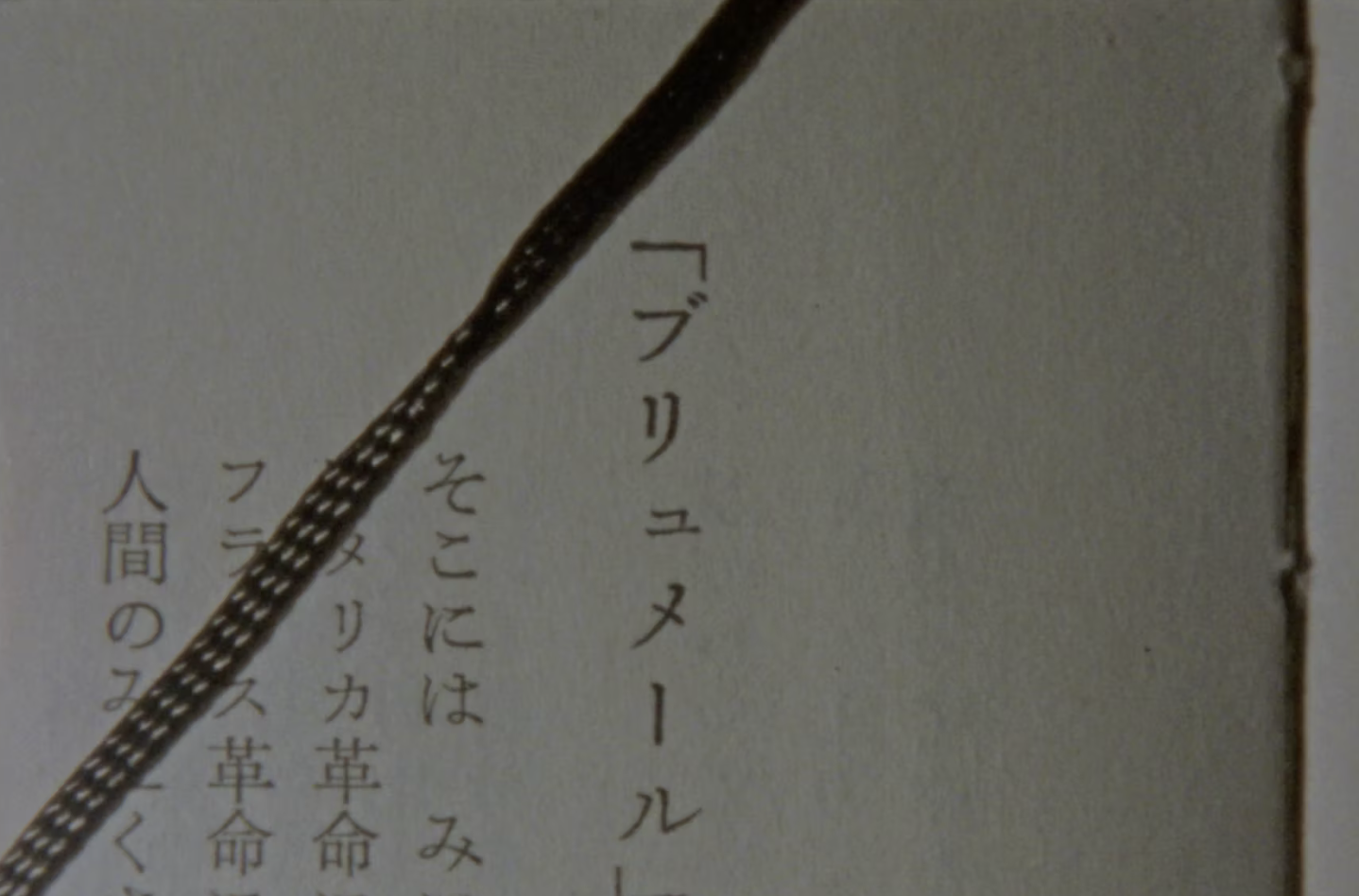
On June 15, 1960, Michiko Kanba, a student member of Zengakuren, died during a demonstration against the Anpo Treaty at the National Diet, following a clash with riot police. She was 22 years old. —Vincent Guilbert
-
(Blanca García, James Devine, 2026, 3min, Super 8mm)
Finding accord amongst the photosensitive inhabitants of Frankfurt's Palmengarten as they absorb, transform and transfer the late summer light. Edited in camera. —Blanca García and James Devine
-
(Dianna Barrie, Richard Tuohy, 2026, 10min, 16mm)
A performer descends the stairs. Direct film mattes frame glimpses of the motion. Phase-looping duplicates the glimpses into a cascade of humanity. A game played with colour separations, motion following hand scratched and painted mattes and a perpetual descending figure. —Dianna Barrie and Richard Tuohy
-
(Željka Blakšić, 2024, 8min, 16mm)
Stitch the Ruin is an experimental film that reflects on the conceptual, historical, and social concerns surrounding clothing production. In this film we see interconnected microscopic images of textiles gathered from Zagreb’s legendary flea market “Hrelić”, lists of shut factories, many named after the partisan heroines of the Antifascist Women’s Front. By focusing closely on details like stitching and tags, this work explores knowledge of time and labor and reflects on the specific industrial structure of feeling established by workers in these socialist factories. —Željka Blakšić
-
(Long Pham, 2025, 6min, 16mm)
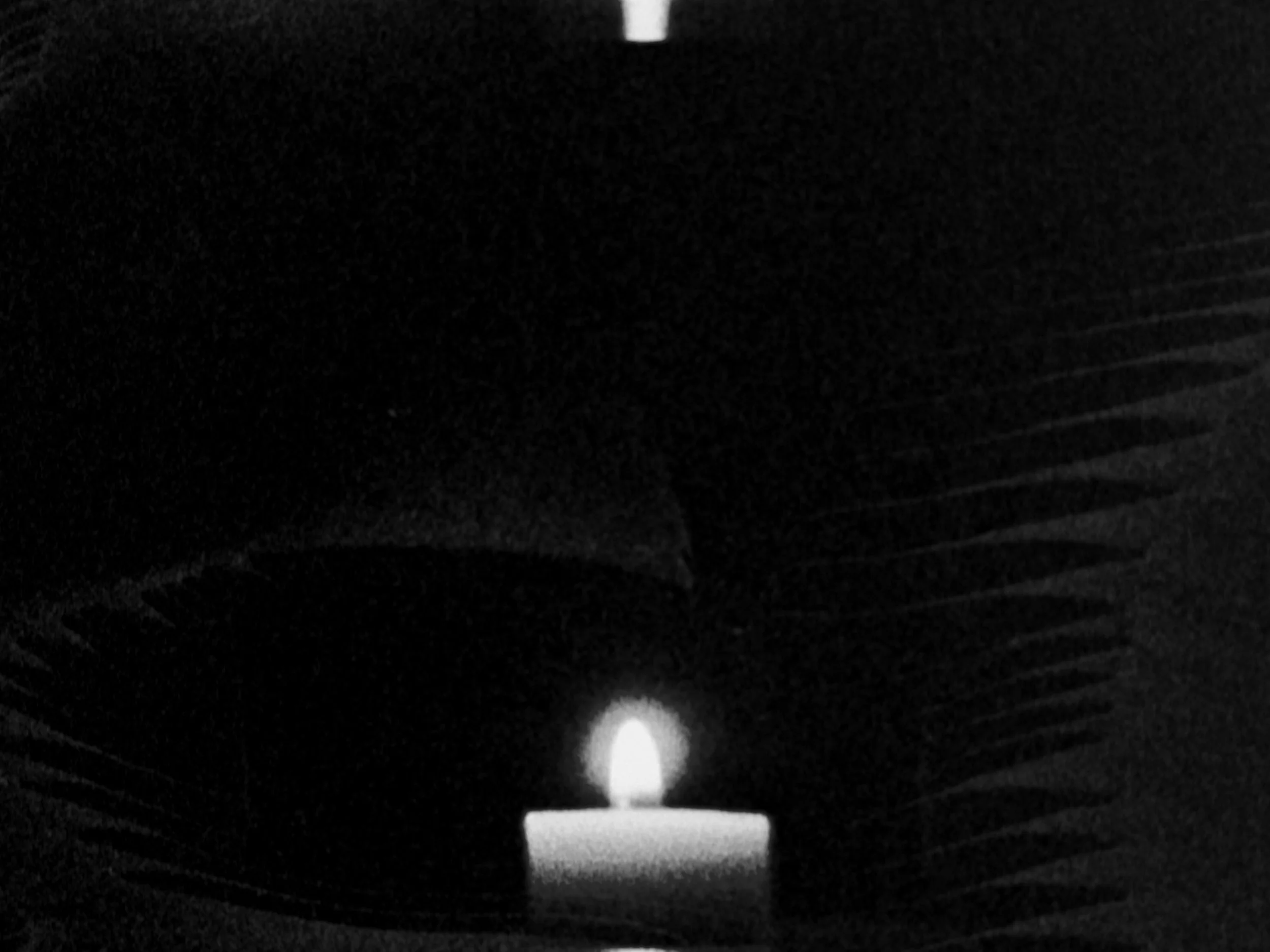
Light cracks and chemical abrasions on a celluloid wandering. Each immutable essence disintegrates with every frame, slowly waning into no-selfhood. The old man and the old woman wilt in the candlelight. —Long Pham
-
(Vanij Choksi, 2026, 6min)
Does movement reveal memory? Faceless hands breathe in and out of the image, as if with a mind of their own, thinking, dreaming, remembering. Their performance eventually morphs into ritual; lyrical, suggestive fragments of gestures, ultimately becoming a mosaic enquiry of thought, action, intention and meaning. —Vanij Choksi
-
(Viktoria Schmid, 2025, 10min)
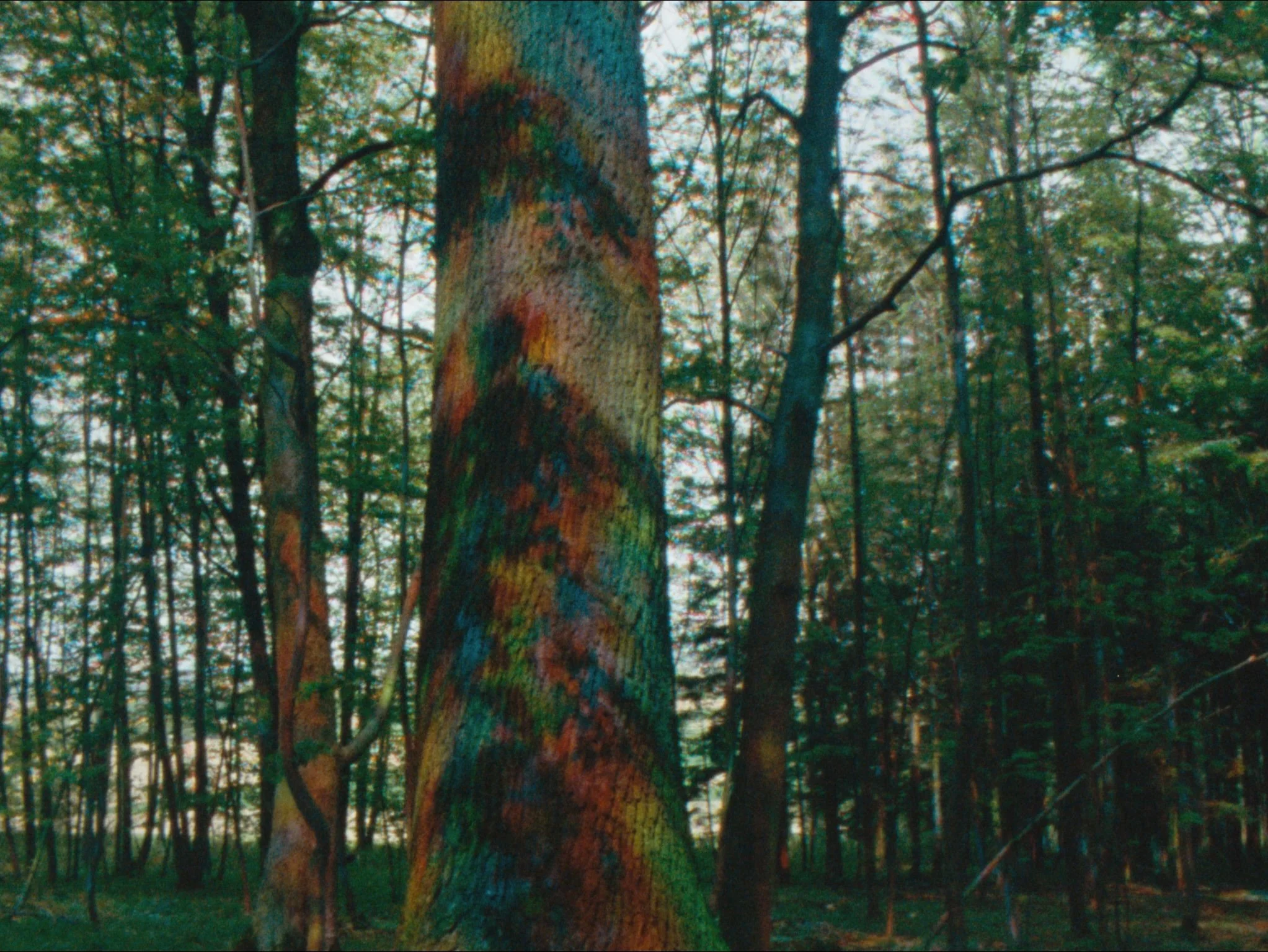
Three locations, filmed over an extended period of time: Spain, a Baltic Sea resort in Lithuania, and a forest in Lower Austria. Viktoria Schmid expands her reconstructions of analog color systems with an homage to glorious Technicolor. She shoots with 16mm color negative film, running it three times through a Bolex camera and exposing it each time through different filters – red, green, and blue. The three layers of color – and time – are recorded one on top of the other and precisely synchronized. In this way, three different spans of time are transformed into a new, fictional film time, which finally elapses only when the film is projected. —Marius Hrdy
-
(Charles-Andre Coderre, 2025, 20 min, 35mm)
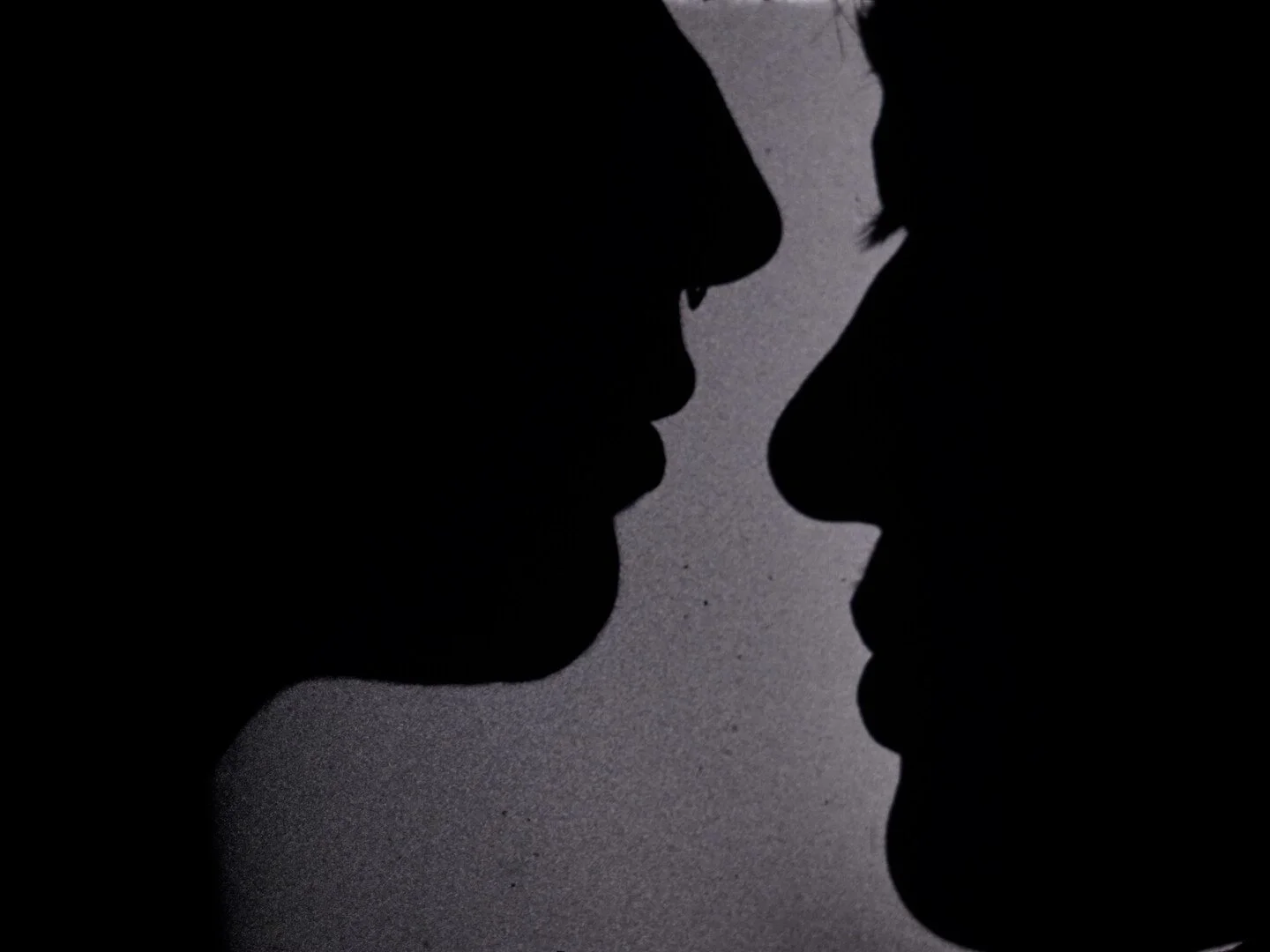
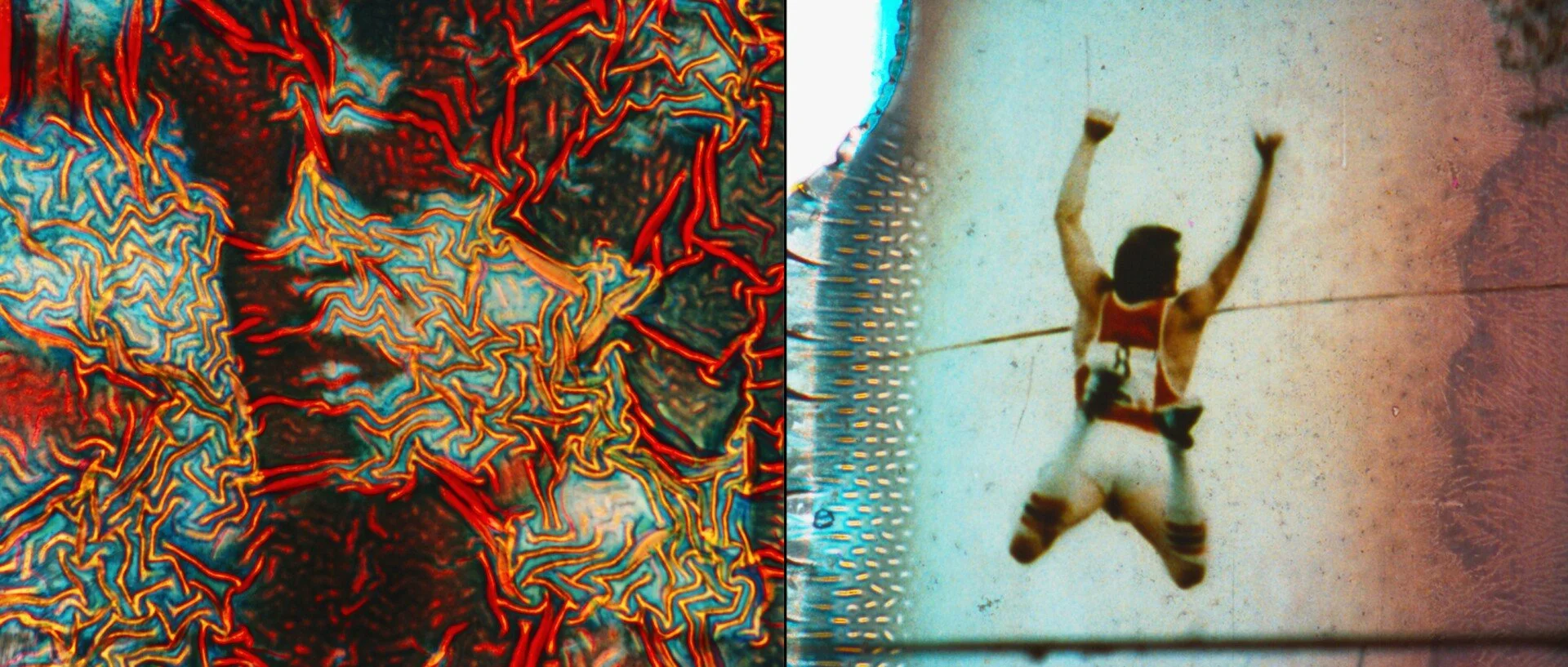
"It's a distraction for many, a profession for a few, when for me sport is my whole life. And if fighting is the reason you're living. If every muscle clamors : train me, exercise, put on a sprint. Find a competitor or at least fight against a pole. It's hard to get started but it's otherwise difficult to stop. Even with your back against the mat. Never mind. You have to stand up and go further. You will now have to fight against yourself."
Transforming Olympic wrestling and pole vaulting Soviet films from the 1980s into expressive, painterly imagery, the film appears as a film practitioner's decathlon. —Charles-André CoderreThis work was commissioned by Guillaume Lafleur for the Cinémathèque québécoise.
-
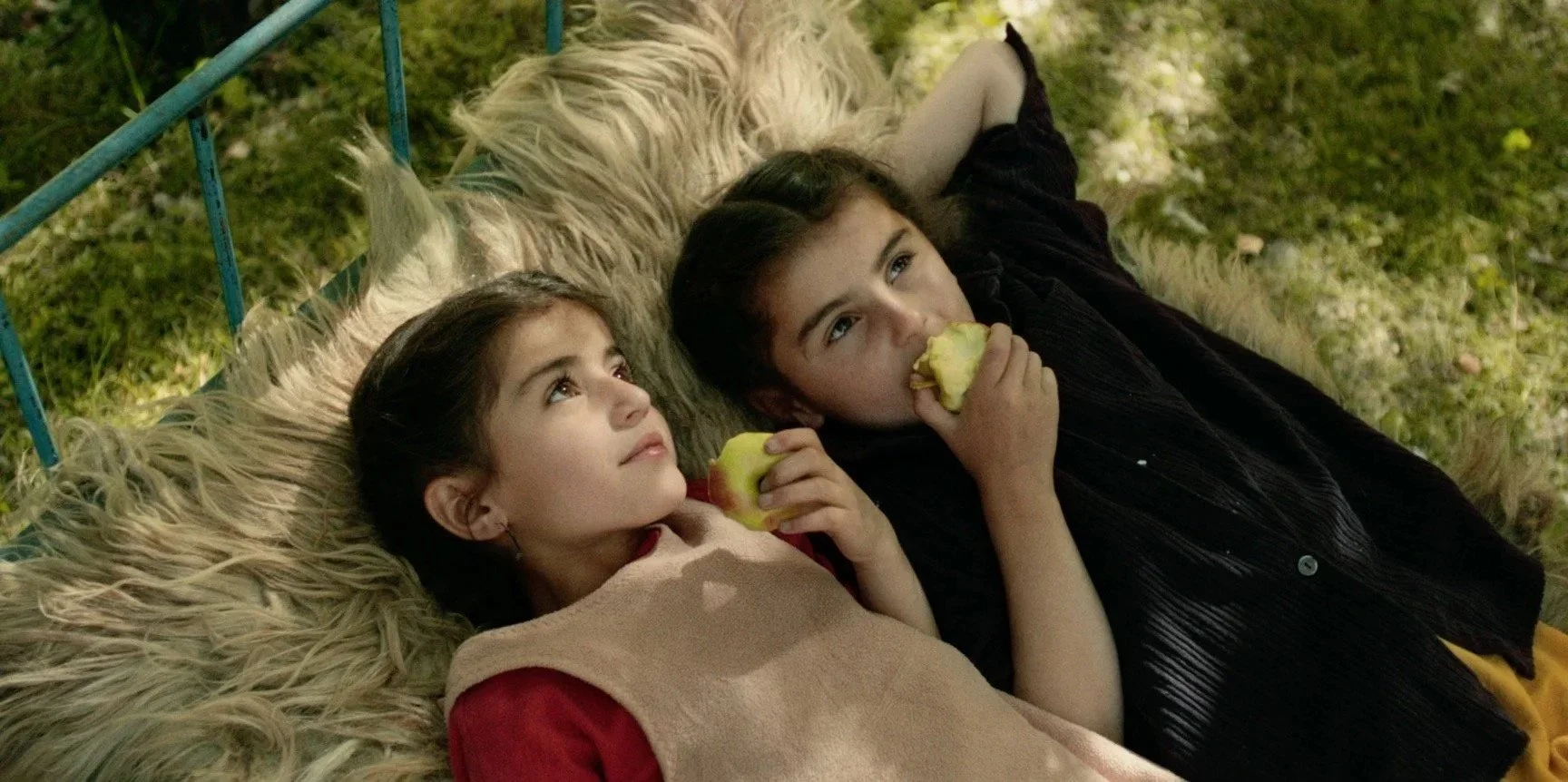
Another Birth (Isabelle Kalandar, 2025, 70min)
Inspired by the poetry of Forough Farrokhzad and laced with the cinematic DNA of Abbas Kiarostami, Robert Bresson and Andrei Tarkovsky, Isabelle Kalander’s feature debut from Tajikistan is a startlingly beautiful and downright magical mountain village fable.
One night, a girl asks her mother, “Can you die from sorrow?”, “It’s definitely possible to wither away from sorrow,” her mother answers. The girl asks again, “What does it mean to wither away?”, “It means to no longer have a taste for life.” As she watches her grandfather barely survive, longing for a son who never returned, and her mother wither away in her lonely existence, the girl reads poetry. She visits a wise man, and searches for Parī (mythical beings from Persian folklore) in a desperate attempt to keep her grandfather and mother from fading. The film’s poetic lyricism is heightened by its sophisticated lighting design and the subtle tension between still images, set against the picturesque Shakhdara Valley. As the girl recites verses, her mother’s love, sorrow, and despair flows like music, and she gets a taste of life through her mother’s sorrow. This is a noteworthy debut feature by a female Tajik filmmaker.
—PARK Sun Young, Busan International Film Festival
2026 GROUND GLASS AWARD 〰️
Kohei Ando 〰️
2026 GROUND GLASS AWARD 〰️ Kohei Ando 〰️
Ground Glass Award 2026:
Kohei Ando
Saturday, May 2, 1:15PM
Anthology Film Archives
TICKETS
Each year Prismatic Ground gives out only one award, meant to recognize an exceptional body of work. The sixth annual Ground Glass Award for outstanding contribution in the field of experimental media is awarded to Kohei Ando. Read more
Followed by Q&A.
-
(Kohei Ando, 1978, 3min, 16mm)
Des stars japonaises hurlent: la guerre! —Light Cone
-
(Kohei Ando, 1978, 3min, 16mm)
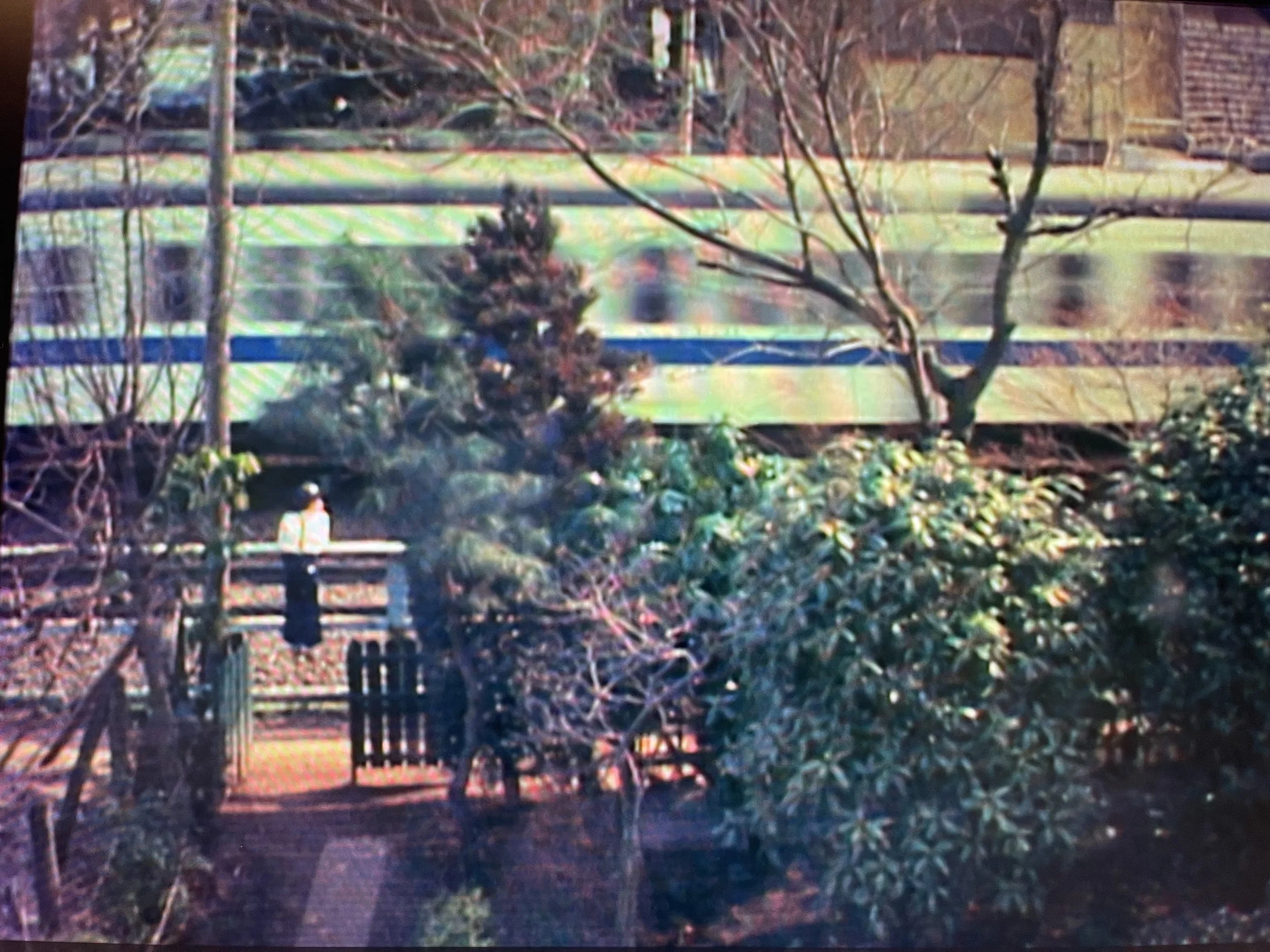
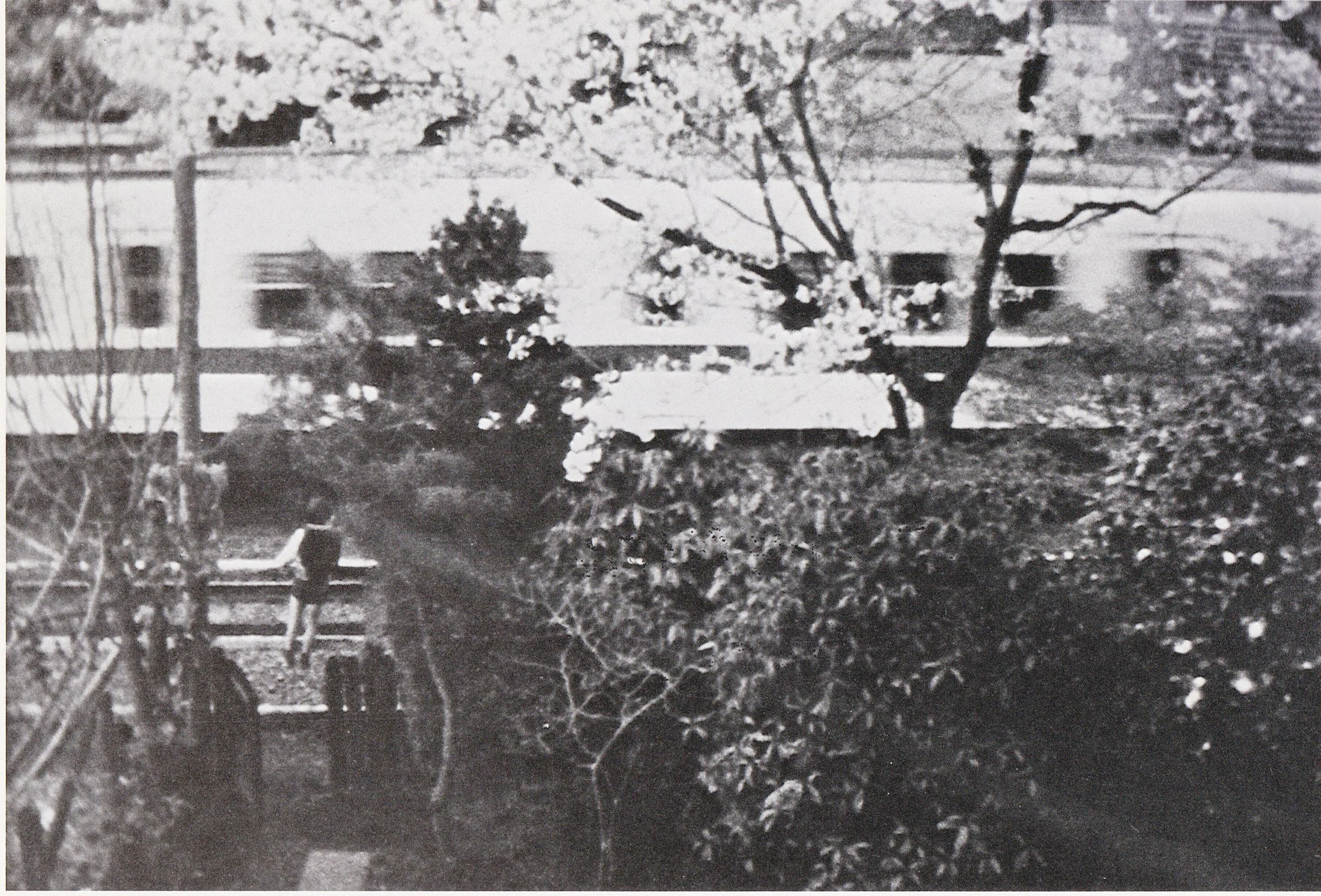
Space. Inspired by photographs of Winston Link (Night Trick), this film is composed of images of trains passing by a house. Trains are seen from inside the house in a variety of viewing angles. The film lists all possible perspectives on the passing train and becomes a metaphor of cinema.—Light Cone
-
(Kohei Ando, 1979, 7min, 16mm)
Time. In “One Hundred Years of Solitude”, Gabriel García Márquez describes a train so long that it takes a year to pass through a station. This film consists of the image of a train passing through a bush at the back of Ando’s garden. It was shot from the same fixed angle over the course of six months, spanning the seasons. —Tony Rayns
-
(Kohei Ando, 1969, 10min)
The images multiply and stretch into the distance through an electrical effect; they are comparable to the breaths of life. —Light Cone
-
(Kohei Ando, 1973, 25min, 16mm)
A gay poem, clearly inspired by Cocteau, concerning the ambiguous relationships between a man and his two adopted sons. A reverie on sublimation, repetition, and death. The imagery and the characters' movements are attenuated, yet the mood is sensual. The soundtrack is in Japanese, but the text—rendered visually—is in French. —Tony Rayns
-
(Kohei Ando, 1994, 39min)
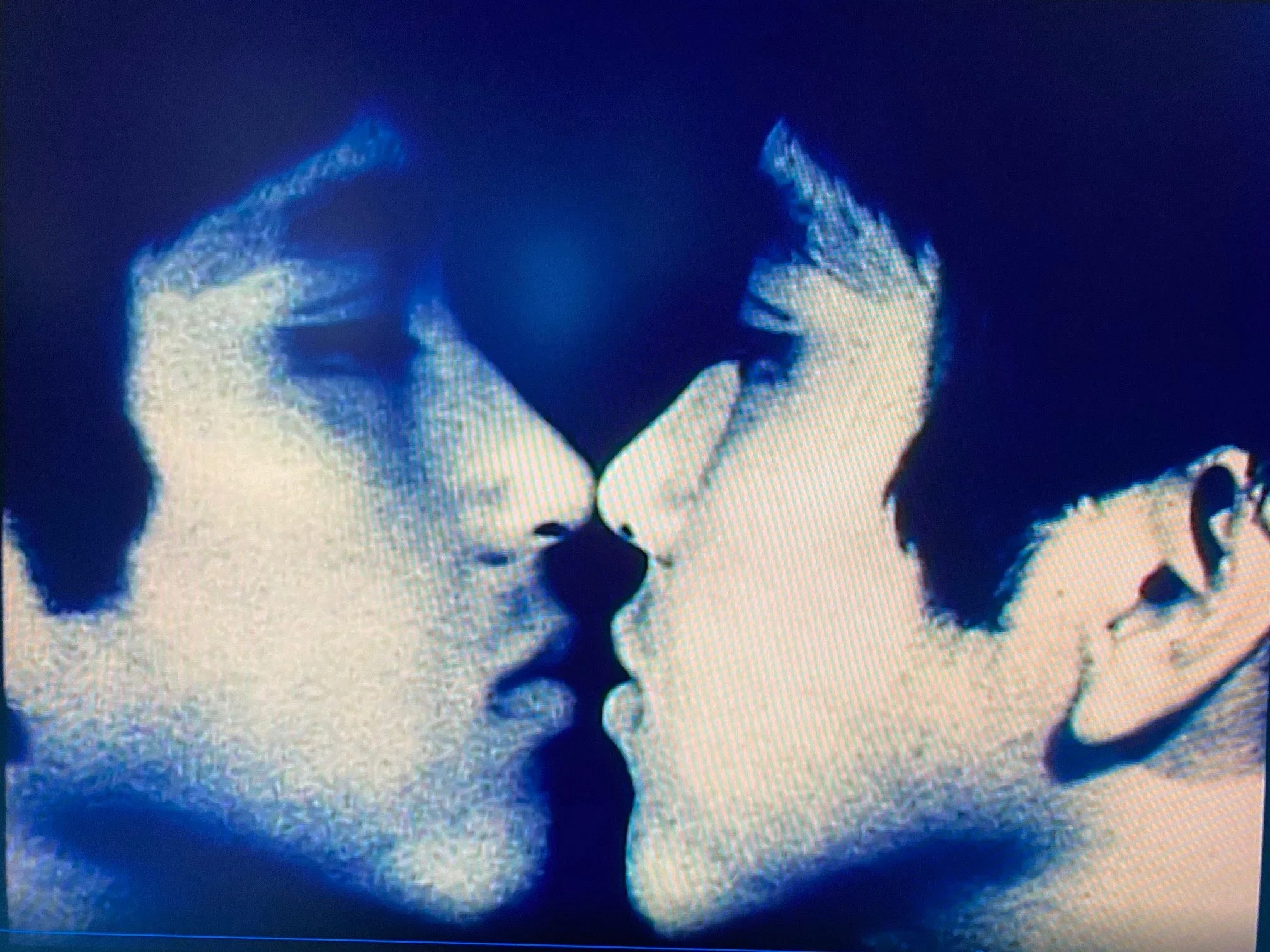
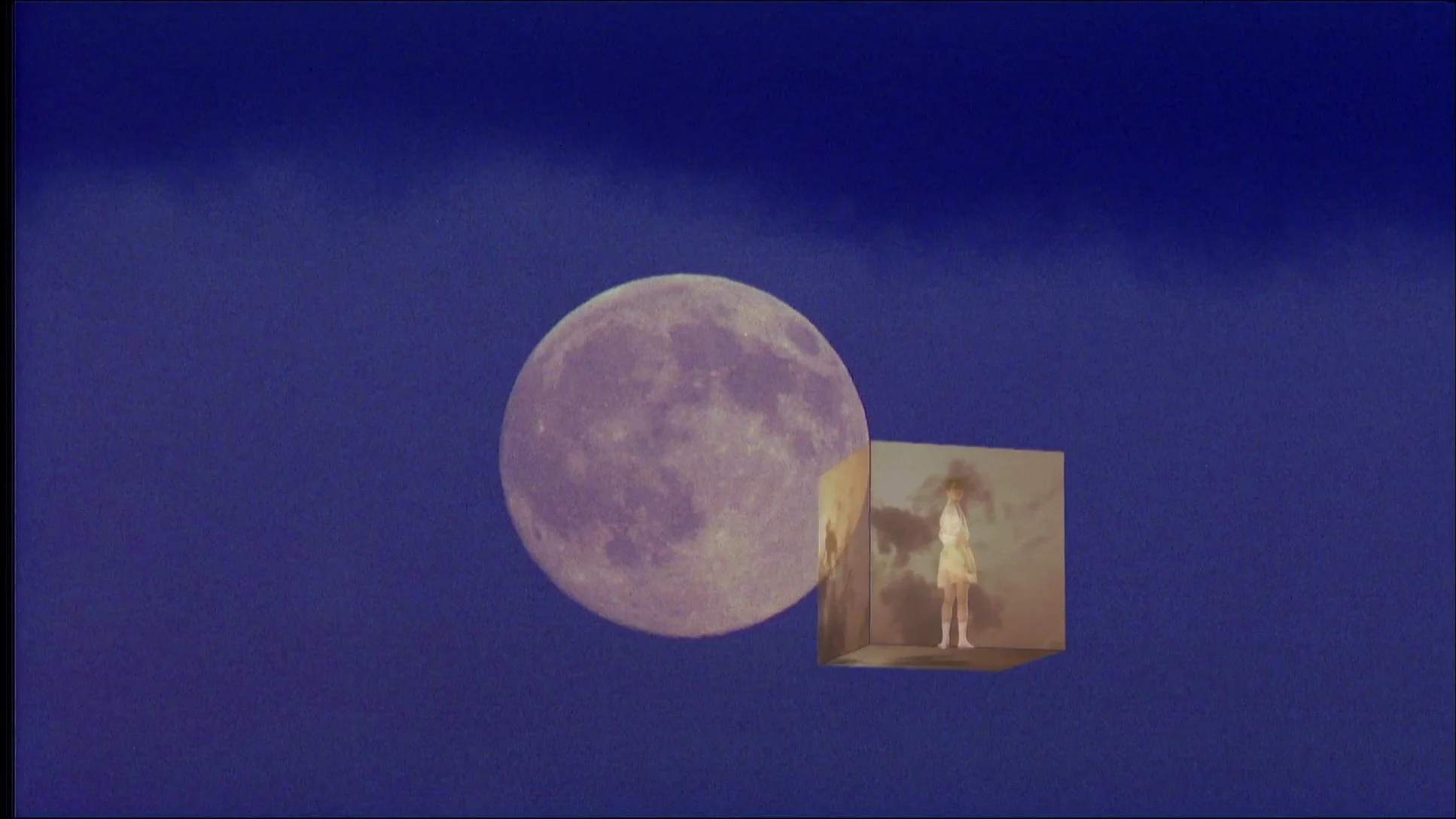
Inspired by the renowned poet Terayama. A young boy is in love with the sunset. One day, he decides to steal a piece of the sky. He pulls out a pair of scissors and reaches them toward the heavens. Thus begins his journey through time, space, and memory. The seasons change; the years pass. Enveloped within a mysterious box of captured sunset, the boy grows older—becoming an adolescent, a young man, an adult, and finally an old man—yet, strangely enough, his memories also begin to take on a life of their own. "What is memory? What is reverie? What is real, and what is imaginary? I no longer know..." —Light Cone
June Givanni: The Making of a Pan-African Cinema Archive, with Onyeka Igwe
Saturday, May 2, 2:30PM
Anthology Film Archives
TICKETS
A celebration of Onyeka Igwe’s book “June Givanni: The Making of a Pan-African Cinema Archive” featuring two films preserved in Givanni’s archive, followed by a conversation with Igwe. Copies of the book can be ordered here.
Followed by Q&A.
-
(Maureen Blackwood, 1989, 30min)
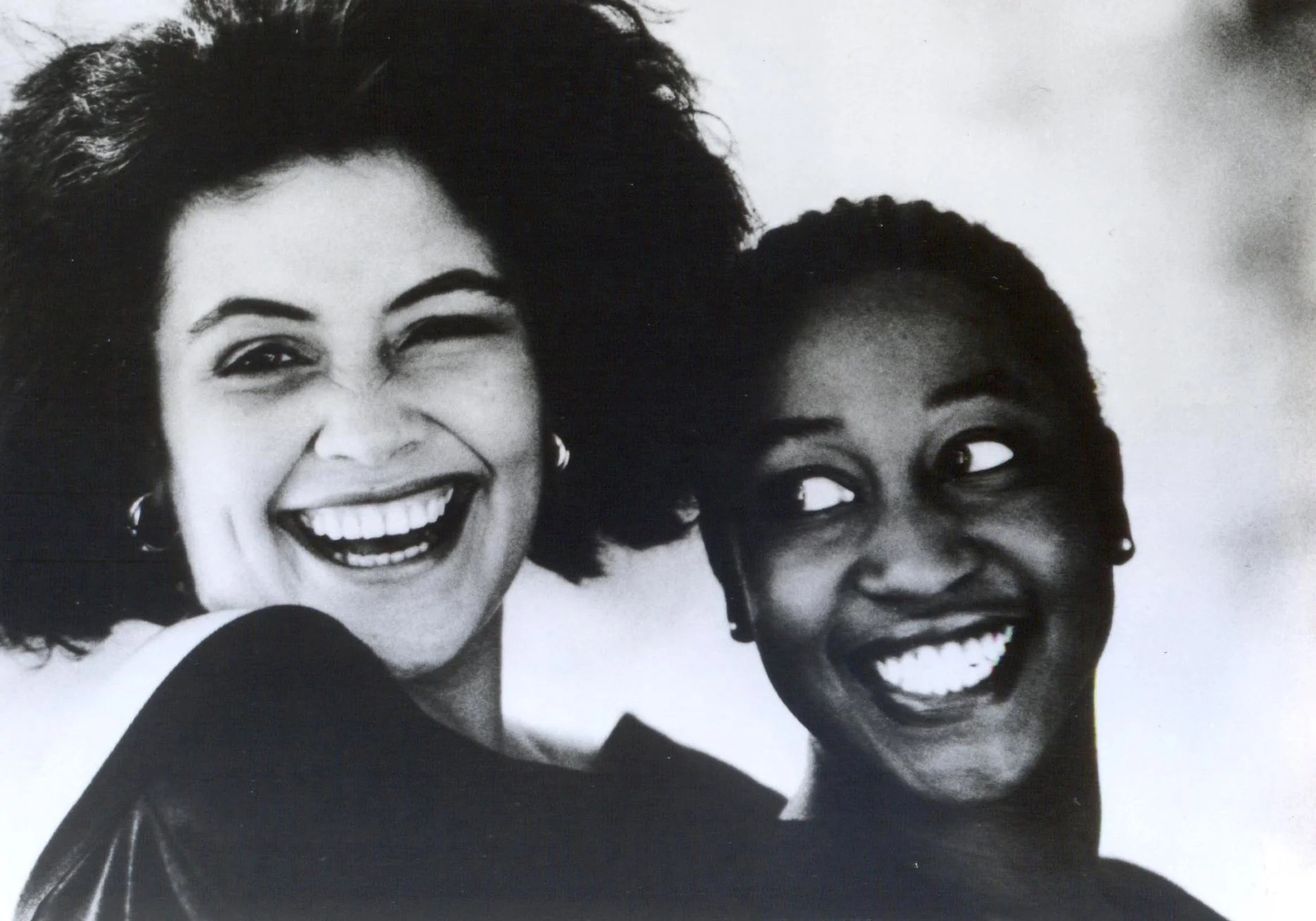
This fast-paced examination of Black women's struggles to assert their own positive self-images features two female characters who seem to represent archetypical extremes. The film is a visual feast, set up as a series of scenes and dialogues between poles of dark and light complexions. The women act out ways in which Black women challenge archaic values associated with hair texture, skin tone and the like. Grounded in a fresh, witty script, the film tackles serious issues with assistance from the Wee Papa Girl Rappers. —Third World Newsreel
-
(Elsie Haas, 1989, 52min)
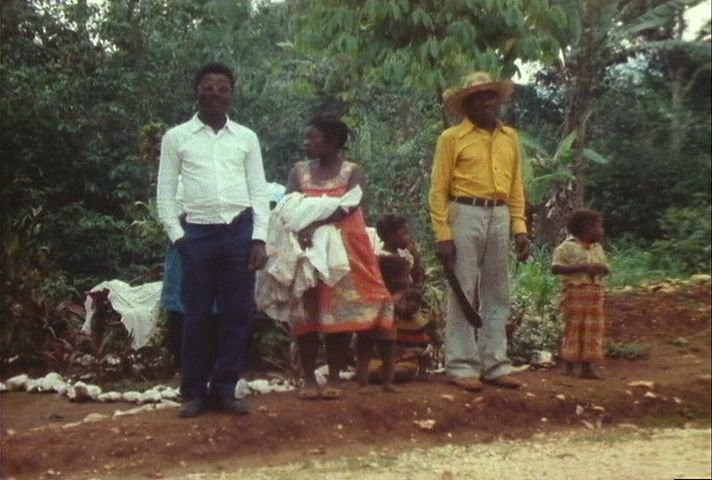
This film documents the significant role of Voodoo in Haitian culture from the perspectives of Voodoo priests, government officials, historians and politicians. Attacked by Western clerics and declared a "superstition" by law in 1935, Voodoo has always been a source of empowerment for the average Haitian. And scholars argue that despite the exploitation, romanticization and vilification of voodoo, it remains an authentic and stabilizing cultural base of everyday Haitian society. —Third World Newsreel
-
(Kioto Aoki, 2026, 3min, 16mm)
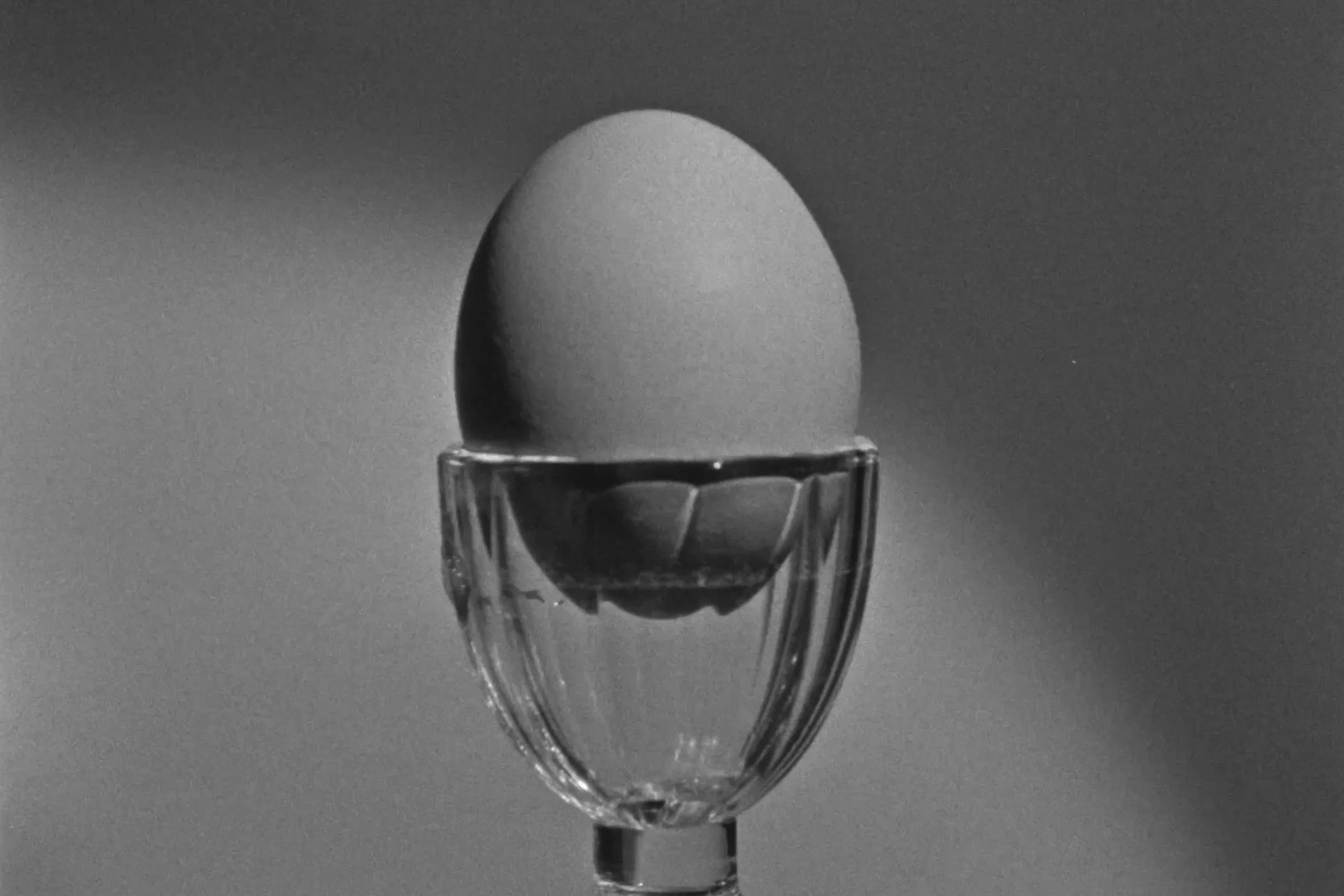
The world emerges from the chaos of the tamago (egg) and emerges into the cycles of the sun to moonlight to sunlight. —Kioto Aoki
-
(Hu Didi, 2026, 8min, 16mm)
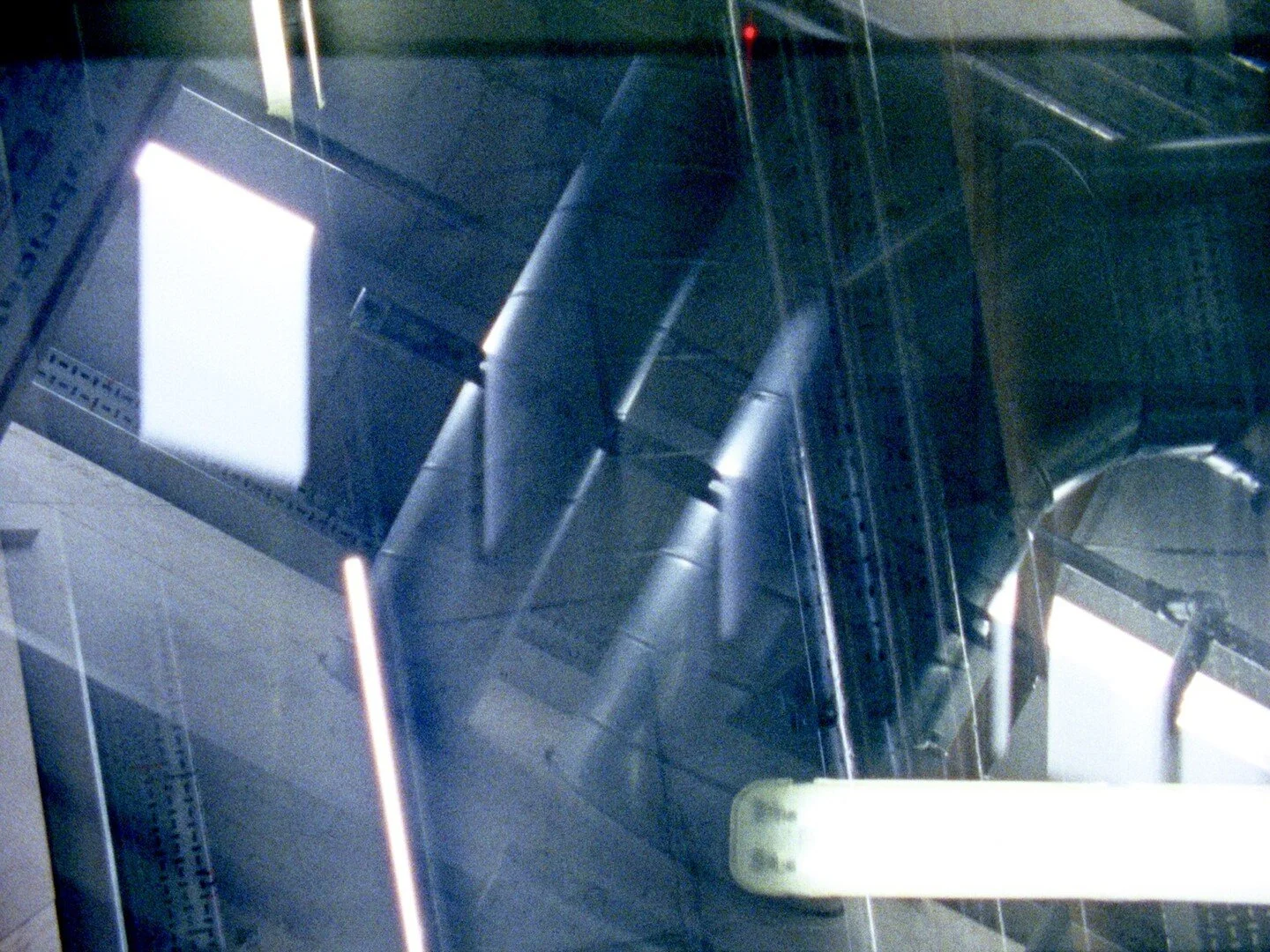
The ceiling resides in silence. Light, sound, and electricity live within it. It is a silent, service-oriented structure, a highway of energy flow between objects within the space. It is both overshadowed agency and a passage, supporting the hidden mechanisms of daily life.
The film is shot using the Data Copilot film-device. King’s Cross (N1C 4XX) standard domestic electricity estimates (2015-2023) [from Department for Energy Security and Net Zero, UK Goverment] are collected to randomly send signals to the device, allowing the Bolex camera to autonomously alter its shooting speed and timeline direction, deconstructing the traditional concept of camera frame rates and linear one-way filming.
Within the relationship of the filming machine’s autonomous conversation with the ceiling structure, send self becomes the meaning of it produce-calling for recognition and contact between subjects, transcending the subjective experience of a single subject. It hopes to release the electricity moving inside the ceiling from its quiet, passive, and service-bound role.
—Hu Didi
-
(Mike Stoltz, 2026, 6min, 16mm)
When the edge becomes the center. —Mike Stoltz
-
(Mike Stoltz, 2026, 6min, 16mm)
A series of video oscillator to 16mm film tests shot one frame at a time in the middle of the night. —Mike Stoltz
-
(Joshua Gen Solondz, 2026, 15min, 16mm)
Following up from 2022's NE Corridor and Swampthings the Supanicks Series, a handmade sculptural collage film on 16mm offloading found footage I've accumulated from specific people/points in time, collaged with tape, ink, skin, semen, and various corrosive chemicals. The result became unprojectable, subsequent iterations have changed the work further. —Joshua Gen Solondz
-
(Lee Jangwook, 2025, 18min, 16mm)
"She would narrate events she had witnessed with her own eyes, as well as events that she had never witnessed."— 'The wind-up bird chronicle' by Murakami Haruki
As a child, the zoo was a space that gave me a very fantastic experience. In particular, Changgyeonggung (then called Changgyeongwon) was a strange place where zoo, amusement parks and old palaces coexist. Perhaps childhood memories remain as an emotional vestige of events there, of people with whom, of food, of weather, etc. It was not a specific event, but a personal emotion which lies somewhere around the boundaries between the reality and the virtual. It was learned through education that the coexistence of these elements came from the tragic modern history of Changgyeonggung (in the time of Japanese rule, a zoo was created for the purpose of mocking and degrading Changgyeonggung Palace). Even then, Changgyeonggung has a history of animals being victimized during liberation and the Korean War. After learning of this history, the space of Changgyeong Palace no longer had aroused any previous emotional reactions. Emotional memories that had formed the ambiguous boundaries between reality and fantasy began to divide exactly in two, and at the same time there was no emotion left on either side of reality and fantasy. —Lee Jangwook
-
(TT Takemoto, 2min, 2026, 16mm)
-
(Richard Tuohy, Dianna Barrie, 2026, 9min, 16mm)
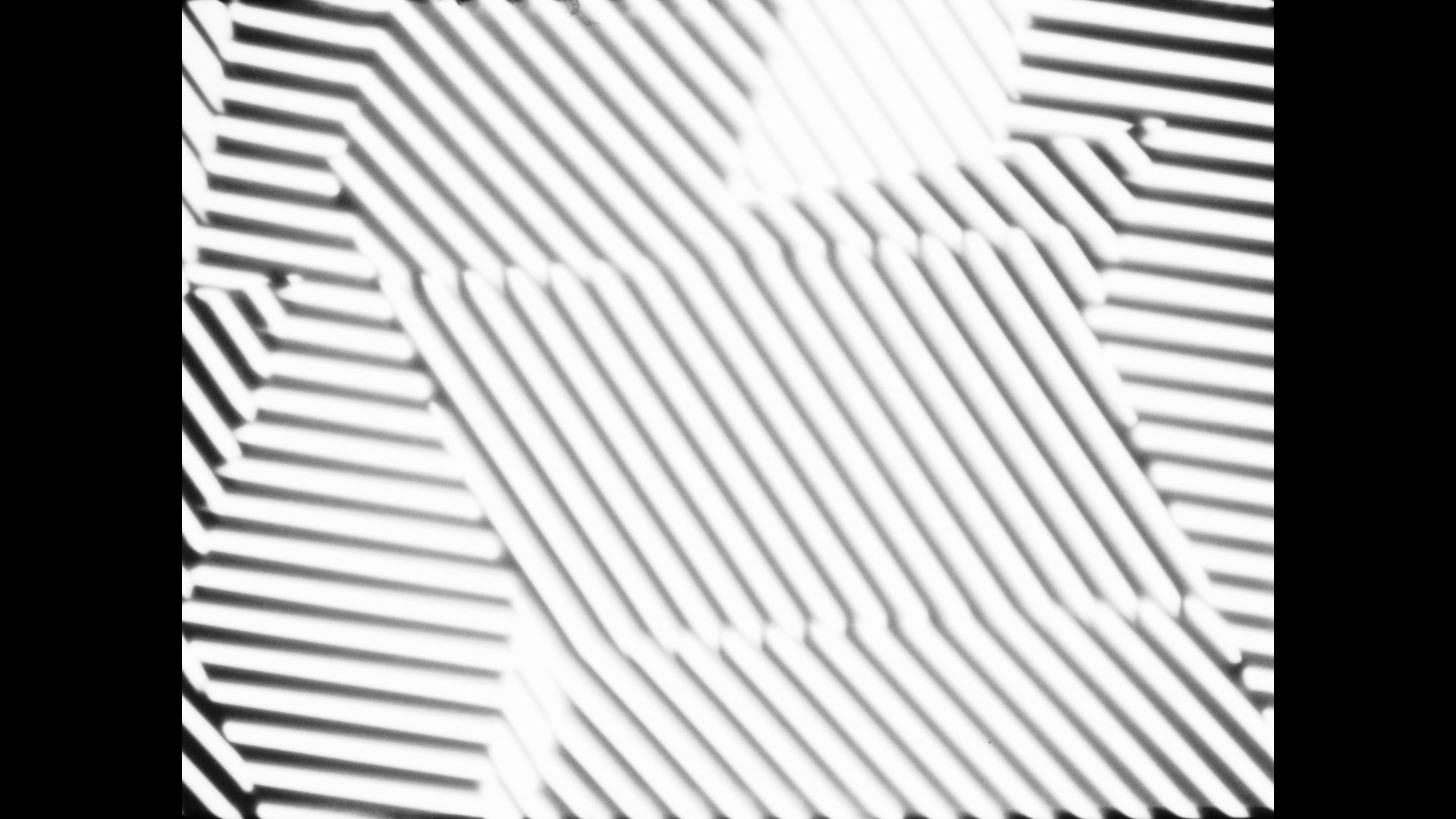
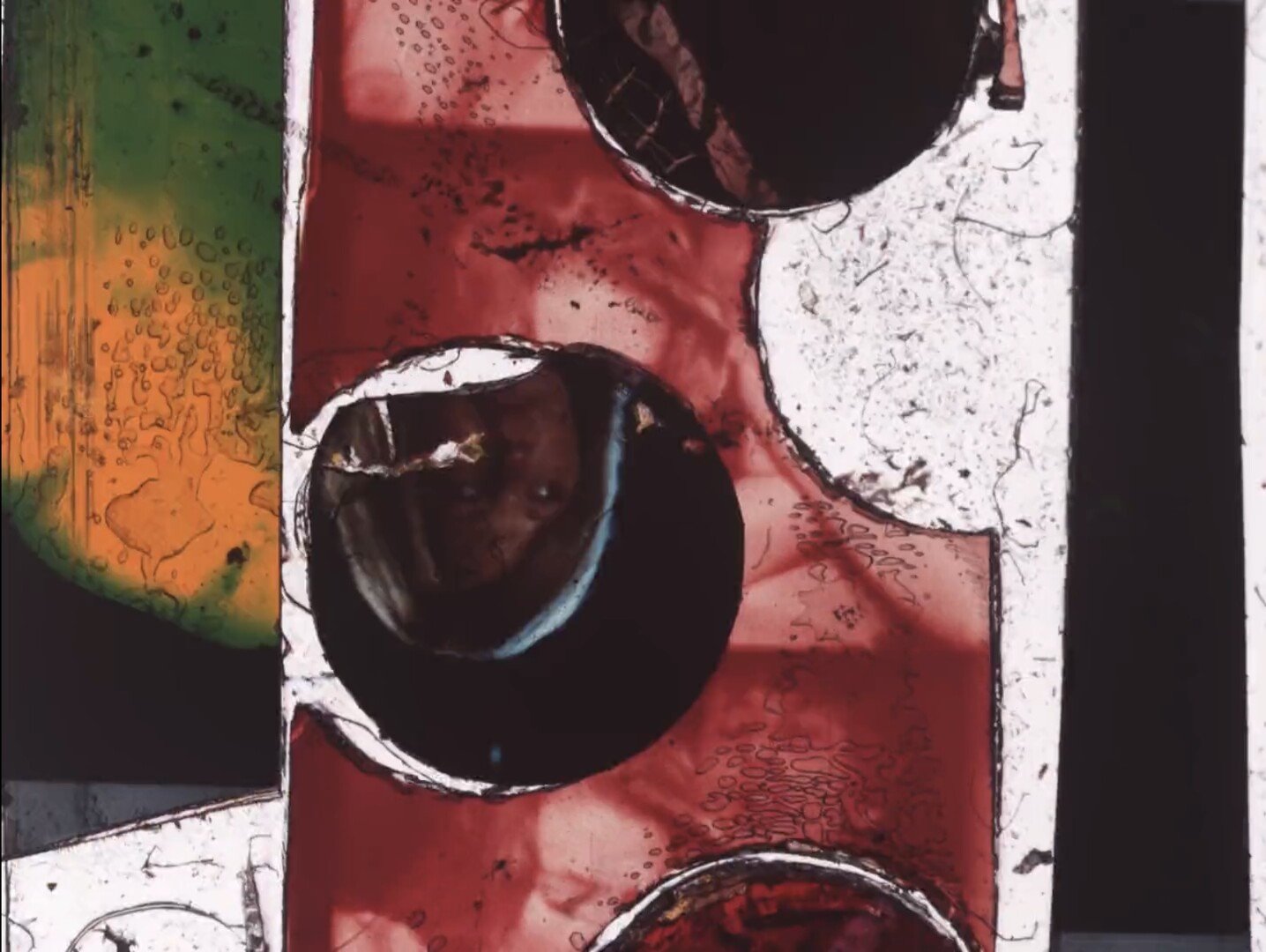
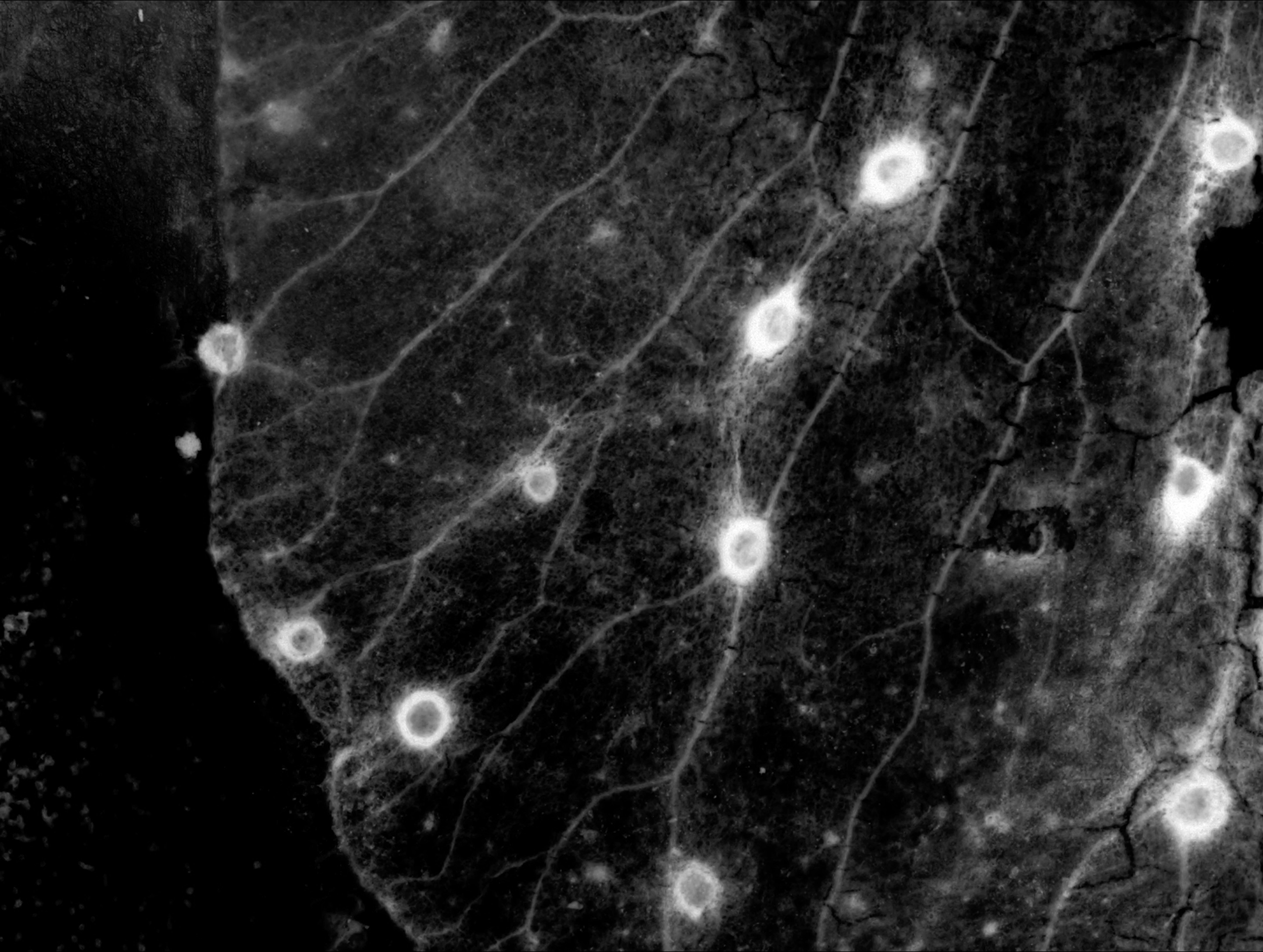
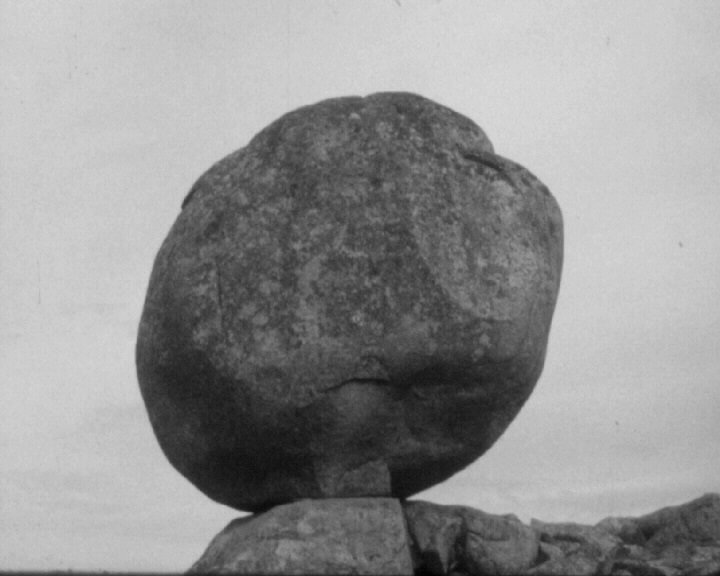
Granite tors scattered over 20 square kilometers around Tooborac in central Victoria dance in ecstatic celebration of their own endurance. —Richard Tuohy and Dianna Barrie
Levers + Surrendur
Saturday, May 2, 5:00PM
Anthology Film Archives
TICKETS
Poetry reading and films co-presented by Triple Canopy. Followed by Q&A.
-
(Rhayne Vermette, 20min, Poetry Reading)
Rhayne Vermette reads from the poetry zine that accompanies her feature film Levers, which recently premiered at the New York Film Festival.
-
(Karthik Pandian, 2026, 87min)
A mandala for falling monuments, for falling into relation, for opening the heart to the frequency of love in revolt. Surrendur transmits the stories of Mike Forcia (Bad River Anishinaabe), the American Indian Movement activist who orchestrated the toppling of a monument to Christopher Columbus, and Ta Pe'juta Wičháȟpi Win (Hunkpati Dakota Oyate), whose political consciousness was awoken when she danced around the fallen statue with her daughter. Energies of the George Floyd Uprising, Anishinaabe Seven Fires Prophecy, and Dakota 38+2 Memorial Ride are conducted through director Karthik Pandian’s unique style of editing nonsynchronous 16mm film and sound. Oscillating between intimate conversation and kinetic montage, Surrendur traces the riverine network of migration and homecoming, chance encounter and carefully cultivated collaboration that drew Pandian into deep relation with Forcia, Win, and other luminous activists and artists from Minneapolis, the heart of revolt at the center of Turtle Island. —Karthik Pandian
-
(Invisible Scissors, 15min, Live Music)
-
(Yusuf Demirors, 2026, 12min)
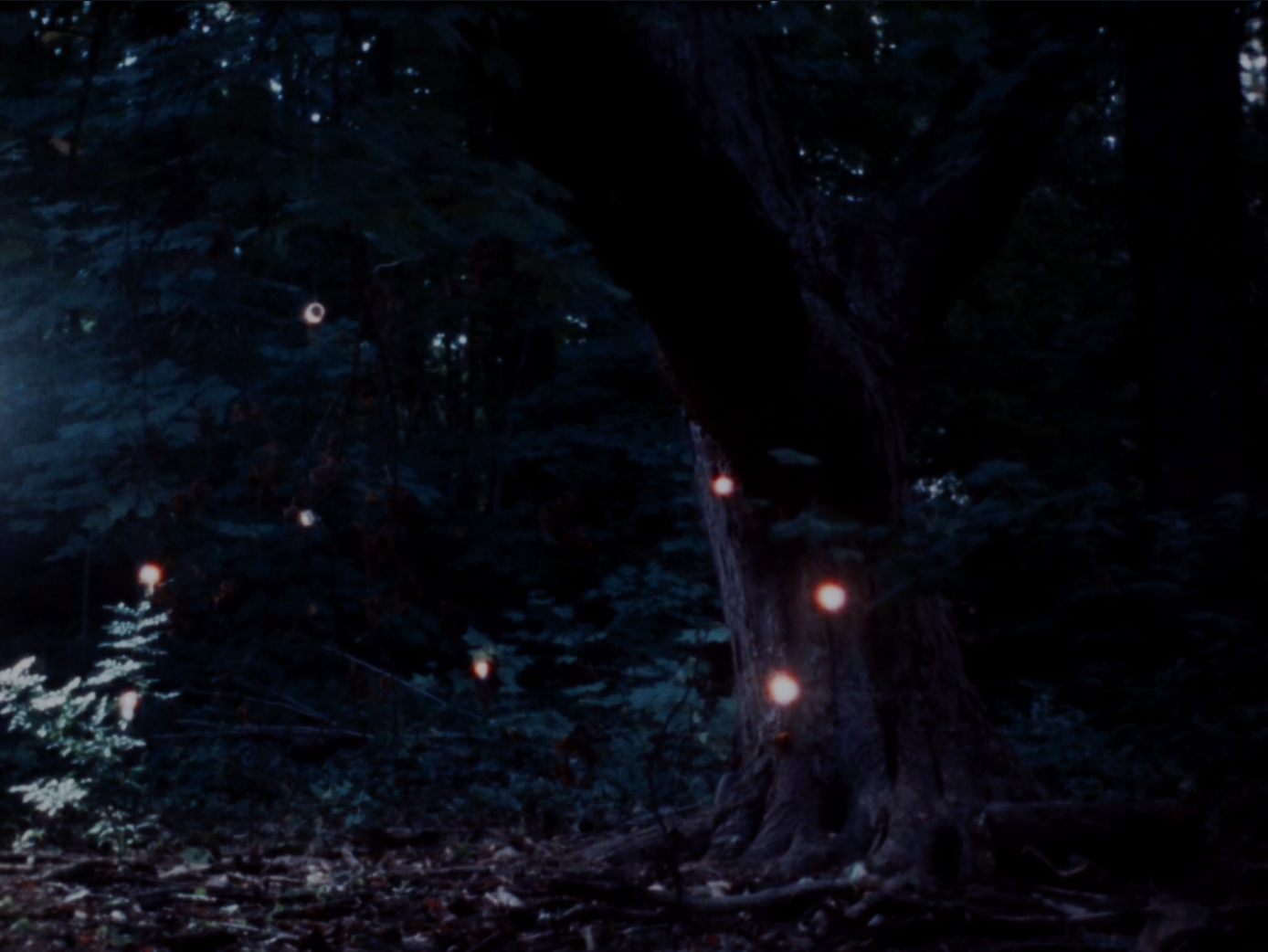
A lost forest spirit named Archura explores New York and tries to find a home while confronting an urban landscape that is rapidly taken over by luxury developments. —Yusuf Demirors
-
(Alan Medina, 2026, 8min)
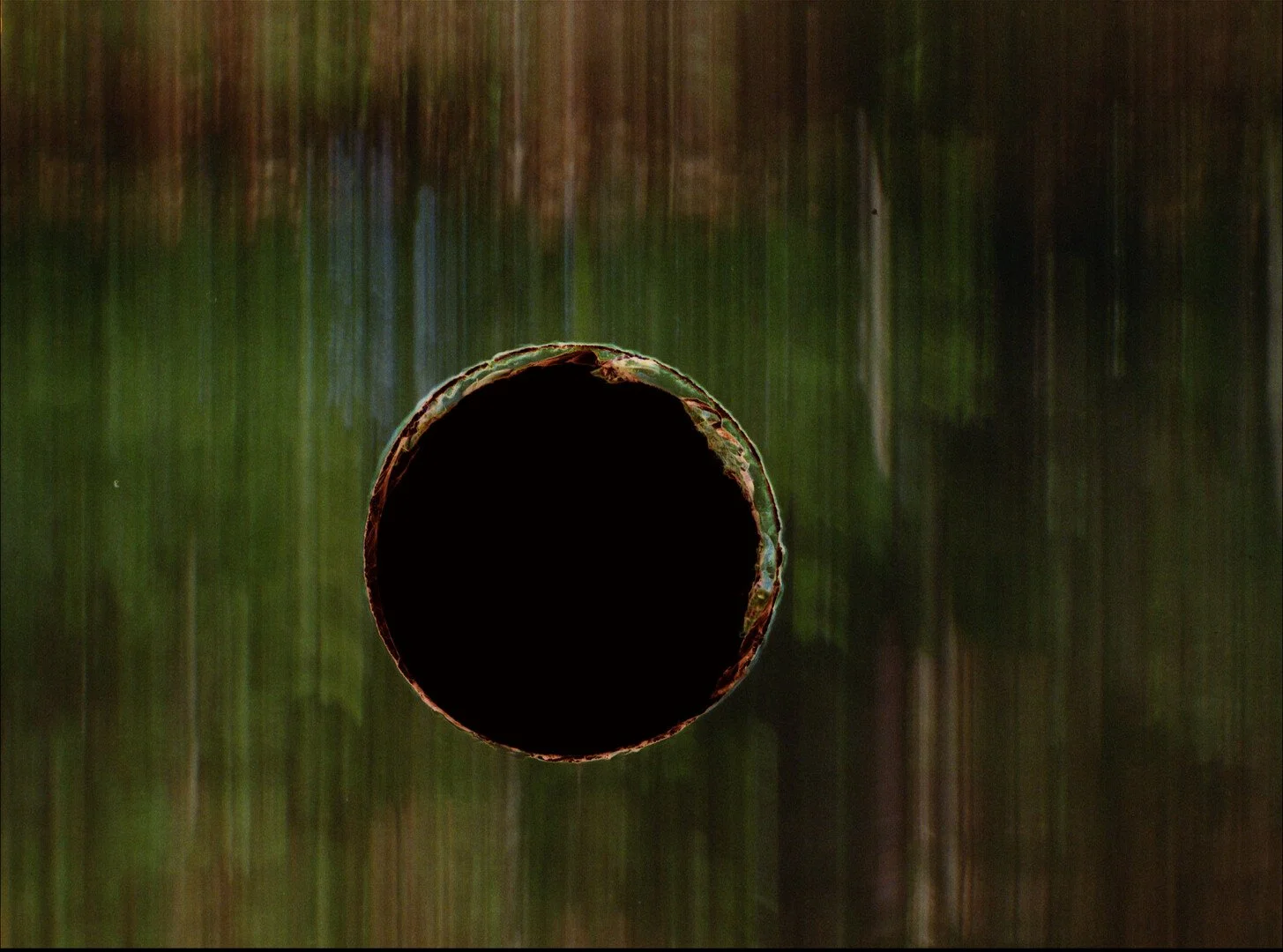
Apertured voyages, orbs of light, and memories of migration summon a clairvoyant into the big city, confounding a sense of place through blurred and distant recollection. —Alan Medina
-
(Kioto Aoki, 2024, 3min, 16mm)
A short in-camera sequence of play between the filmmaker and a matte box.
The inversion of the body is a familiar and natural state in gymnastics, where handstands (逆立ち / sakadachi in Japanese) are an essential part of the physical lexicon. Camera obscuras share a similar state: the image is upside down. In both handstands and camera obscuras, the inverted body is the correct orientation. —Kioto Aoki
-
(Lee Jangwook, 2026, 14min, 16mm)
Images out of their intended context create new context, and also provide us the perception to be able to see which were there but not seen in its own context. This work is a process of research on the world which is familiar, but at the same time full of mysteries. This film is based on the abandoned images with variable reasons. I hoped the images would be free from the logic of selection. At the same time, I was curious about the world which is full of mysteries, always richer than the personal perception. —Lee Jangwook
-
(Jiayi Chen, 2025, 7min, 16mm)
Mounds Above the Earth contemplates ecological cycles, perception, and environmental transformation, anchored in the rare emergence of two periodical cicada broods surfacing simultaneously for the first time in more than two centuries. The film follows the flicker of red—through the cicadas’ developing eyes, a blood moon, and an ancient fable.
-
(Zhuoyun Chen, 2026, 19 min)
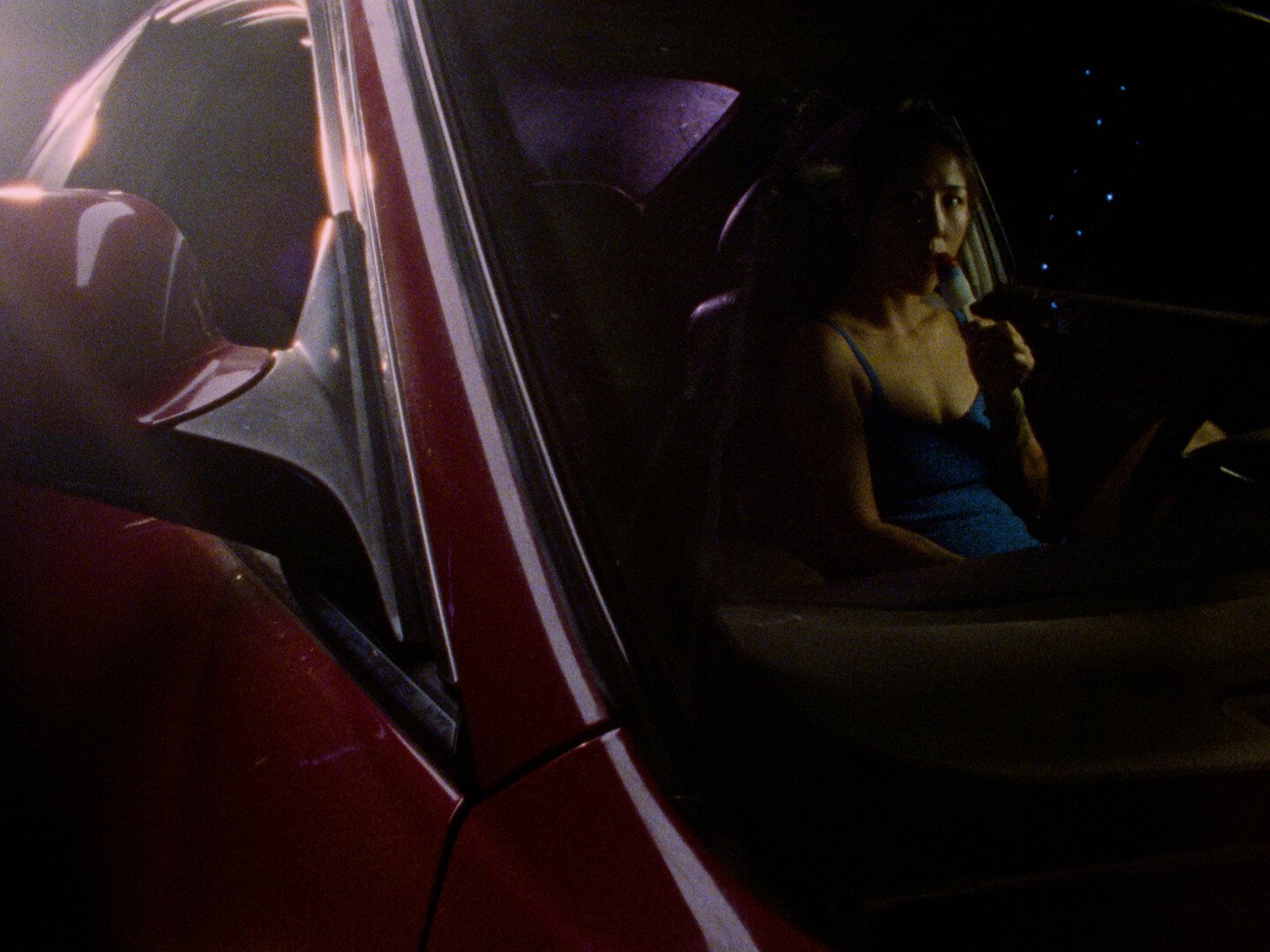
The film unfolds as a visual diary, tracing a young woman’s day in a city far from home as she unravels the mystery of a red car—lured by a dream of being pursued along a desolate hill path at night. —Zhuoyun Chen

Horror, or the Splendour Of
Saturday, May 2, 7:30PM
Anthology Film Archives
TICKETS
An Evening of Film and Poetry Guest Curated by Shiv Kotecha and Courtney Stephens
-
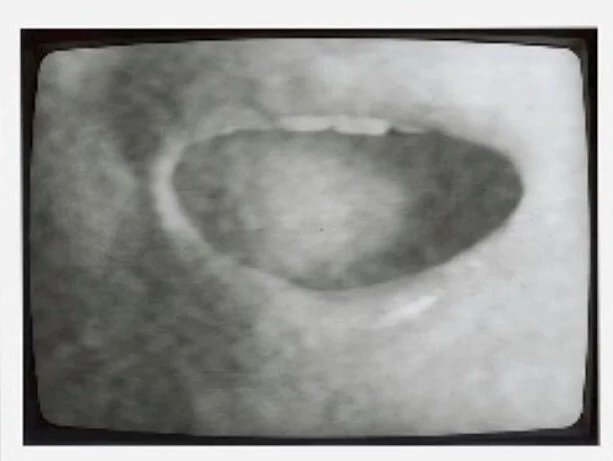
“Horror, or the Splendour Of” borrows part of its title from Joanne Kyger’s poem and experimental film "Descartes and the Splendor of: A Real Drama of Everyday Life. In Six Parts" (1968). What is the splendor of the everyday in 2026, amidst the maelstrom of faraway horrors? Theresa Hak Kyung Cha’s eight-minute video Mouth to Mouth (1975) depicts an extreme close-up of the poet and artist’s mouth pronouncing a series of Korean vowels. But the sound of her voice is almost totally muffled—as the image is by a dense, fuzzy static. We might assume that she’s speaking in a whisper, but what’s seen also suggests a scream. The genre of horror has always been a release valve, an instructional genre for enduring daily dread. In the words of Ed Steck: “I remember feelings of outside, feeling being outside on my skin, feeling fluid on myself squirm noxiously, bodily” [...] “Have you ever seen death? It’s like a corridor of mirrors.” The films and poems depicted in the program aim to capture or counter the ways that genres of extreme experience inflect the mundane.
Featuring
Joanne Kyger, Descartes (1968)
Theresa Hak Kyung Cha, Mouth to Mouth (1975)
Stom Sogo, Tri (2004)
Lily Jue Sheng, Force Majeure (2015-2017)With readings by
Ed Steck
Benjamin Krusling
charles theonia
Lily Jue Sheng
Rotating Signals + The Goblin Play
Saturday, May 2, 7:45PM
Anthology Film Archives
TICKETS
Followed by Q&A.
-
(Chae Yu, 2025, 10min)
In between cities, I think of home. But I wonder if there’s even such a thing. One day, two ladybugs stopped on my index finger. I let them stay for a while. —Chae Yu
-
(Chae Yu, 2025, 47min)
A director blames the failed shoot on personal feelings toward the actor. The actor auditions for a role in a shamanic tale about a goblin that's entered a woman’s body. The story is told twice, solely from one person’s point of view, but differently. —Chae Yu
-
Chronovisor (Kevin Walker, Jack Auen, 2026, 99min)
The life of a reclusive academic collides with the story of a clandestine technology that can photograph the past. —Cosmic Salon
Àwọ̀ ojú ọ̀run (The Color of the Sky) + An Afternoon with a Gnawa
Saturday, May 2, 9:45PM
Anthology Film Archives
TICKETS
-
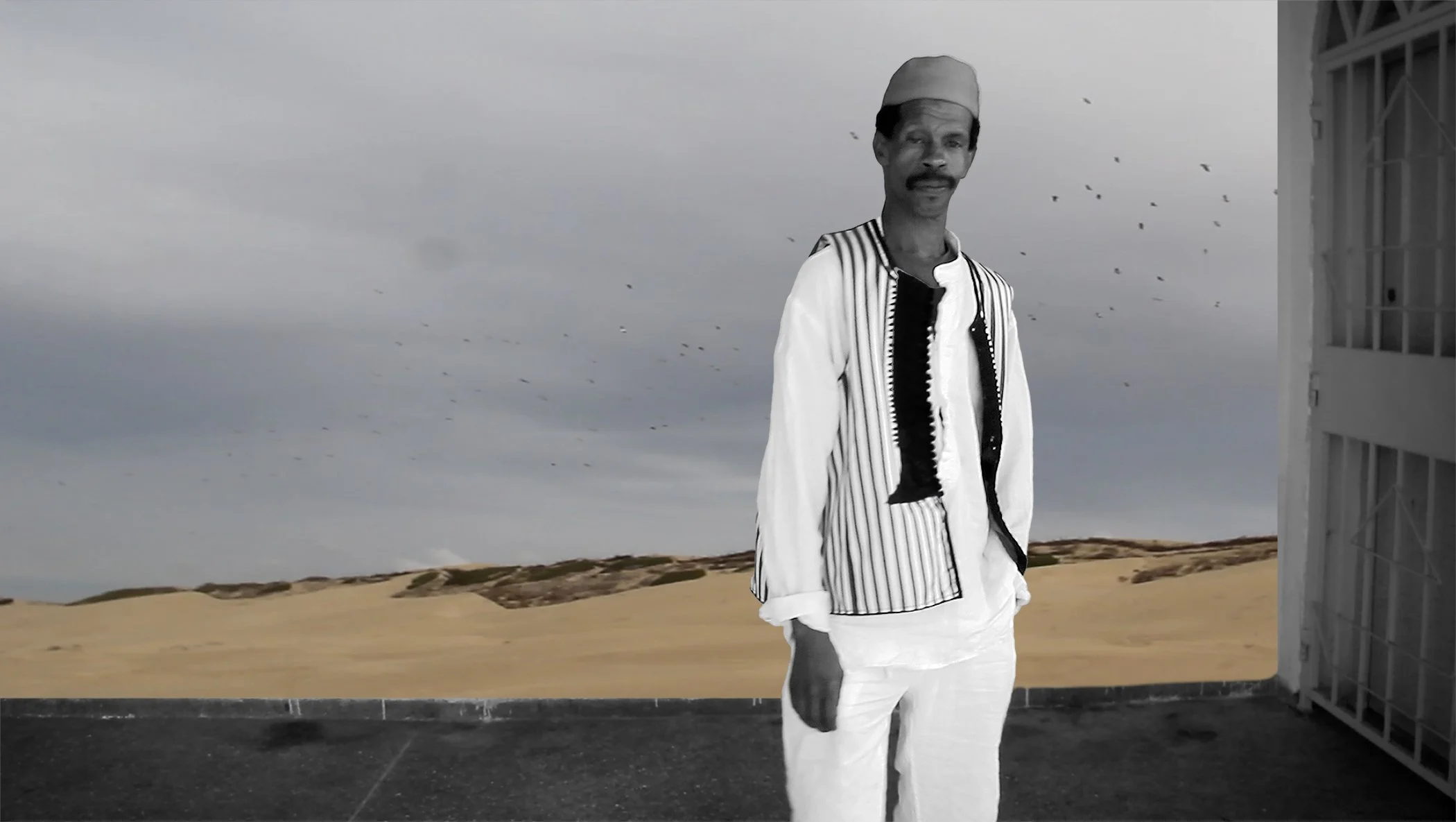
(Meena Nanji, 2026, 12min)
The Gnawa inhabit ordinary and non-ordinary worlds, their music and song creating spaces passageways between the two. This experimental non-fiction video gives a glimpse of such a passage through a brief encounter with Mustafa, a musician who lives in Rabat, Morocco. —Meena Nanji
-
(Judah Iyunade, 2026, 71min)
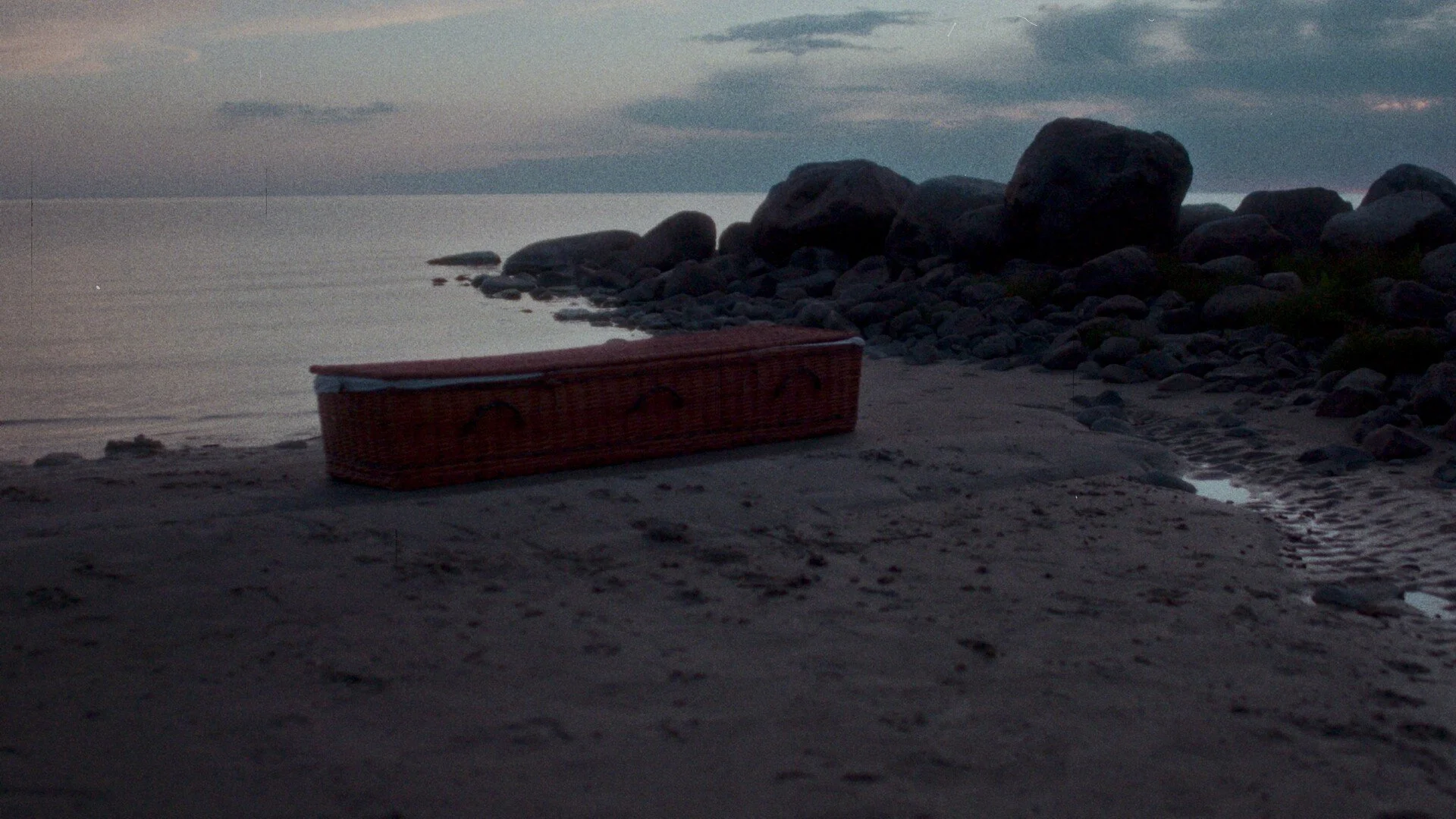
The search for truth behind a grandmother’s mysterious disappearance, the stories told to shield the innocence of childhood begin to unravel. A retracing of her final moments, exploring where myth and fate begin to converge. An ascent to a heaven, imaging the space between where spirits linger. As her family gathers, the sacred burial rites, a final act of guidance, a chance to move beyond the dream realm and into the spiritual realm.—Judah Iyunade
wave 4: before everything has a name
Computer Chess + sitrep
Sunday, May 3, 10:45AM
Anthology Film Archives
Short + feature followed by Q&A.
-
Computer Chess (Andrew Bujalski, 2013, 92min, 35mm print from the Chicago Film Society)
sitrep (Blair Barnes, 2026, 20min)
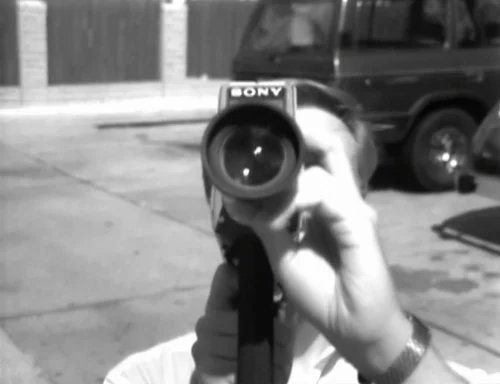
Computer Chess was released in 2013, after being filmed entirely on three Sony AVC 3260’s which were custom-fitted with an extra BNC outlet to make a stable, recorded image possible. Ultimately, one of the 3260’s was the main workhorse, as the 2:1 signal in the other two were less reliable. Matthias Grunsky would describe the camera as having a “...transcendental character,” which endures as a representation of the Sony AVC 3250. sitrep, which will be making its debut in 2026, uses the 3250 as its foremost camera, with the Sony FX6 as the digital intermediary. Filmed almost entirely inside of an abandoned dialysis center, the project makes work of worldbuilding through encompassing tape loops and mismatches in frequency and frame rate to produce varied flicker lines, whereas Computer Chess transforms a murky hotel into uncanny chess tournament sprawl. Beyond Bujalski’s precision in nailling the period, the 3260 itself is an apt co-conspirator in slipping the piece into an idiosyncratic otherworld.
The common denominator is the ⅔ inch tube. The evident draw is in the utility of the tube camera, and it is also in how these projects use inverse methods to speak to time, whether as a phonetic marker in sitrep, or an approximation of period in Computer Chess. There is also chronological resonance with the 1969 AVC 3260 being used in 2013, and its successor, the 1974 AVC 3250 being used in 2025 —Blair Barnes
Concealed and Denied + The Glass Booth
Sunday, May 3, 11:00AM
Anthology Film Archives
TICKETS
Followed by Q&A.
-
(Jordan Lord, 2026, 35min)
This archival documentary (without archival footage) remediates primary sources of an American right-wing political strategist's rise within the Republican establishment in the context of his origins as a "leftist documentary filmmaker." Audio describing the films he made for broadcast on PBS and continues to release on his Youtube channel, while denying their original sound or images, the film examines the usefulness of documentary infrastructures to right-wing media strategy in waging culture war, from alarmingly successful attacks on critical race theory, DEI, and Black women in positions of leadership to the US government's mass deportation campaign.—Jordan Lord
-
(Jenny Brady, 2026, 33min)
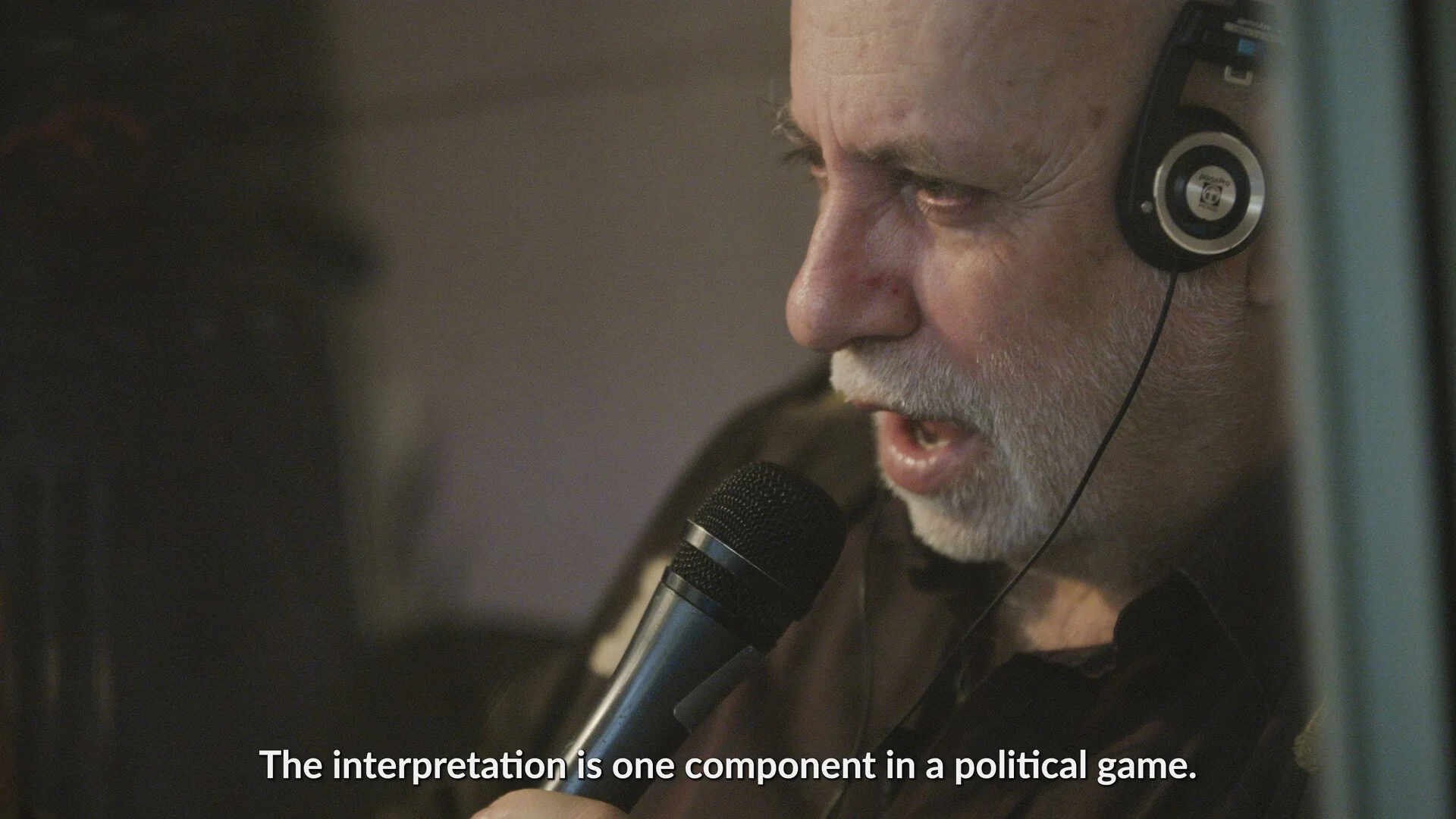
In her new experimental moving image work The Glass Booth, artist Jenny Brady casts a cinematic gaze on the figure of the interpreter, exploring the interpreting profession and the contemporary landscape of interpretation. Through vignettes set in both extreme and familiar environments, the film portrays the processes of listening, speaking, and forgetting within acts of formal and informal interpretation. This film is a study of the complex, intersubjective nature of interpreters’ work, placing them at the centre, rather than intermediaries that blend into the background. Brady seeks to illuminate the interpretive act – an elaborate, sensory process of listening, decoding and responding. —Aisling Clark
Atash, Aisha, Teyh: Three Films by Parine Jaddo
Sunday, May 3, 1:00PM
Anthology Film Archives
TICKETS
This retrospective marks the recent digital restoration of Iraqi-Lebanese filmmaker Parine Jaddo's 16mm and 35mm short films, and their first presentation to audiences in over two decades.
Co-presented by ArteEast. Followed by Q&A.
-
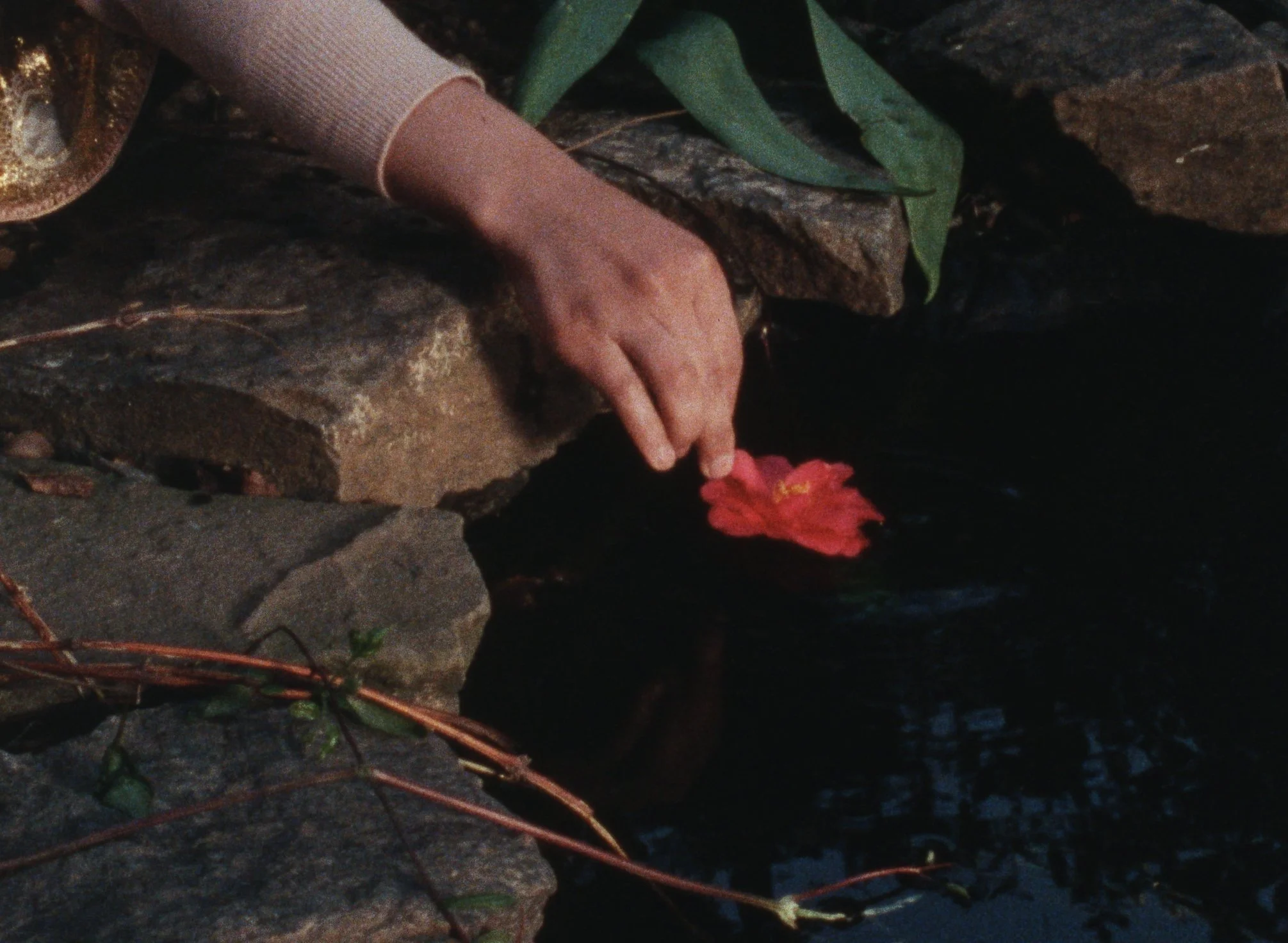
(Parine Jaddo, 1995, 14min)
A story within a story, fragments from the filmmaker's life in post civil-war Beirut lead into a fictional tale of two lovers and fatal madness. Soon, the male narrator's authority is interrupted by a female voice who recounts her own version of the story. —Nadia Shihab
-
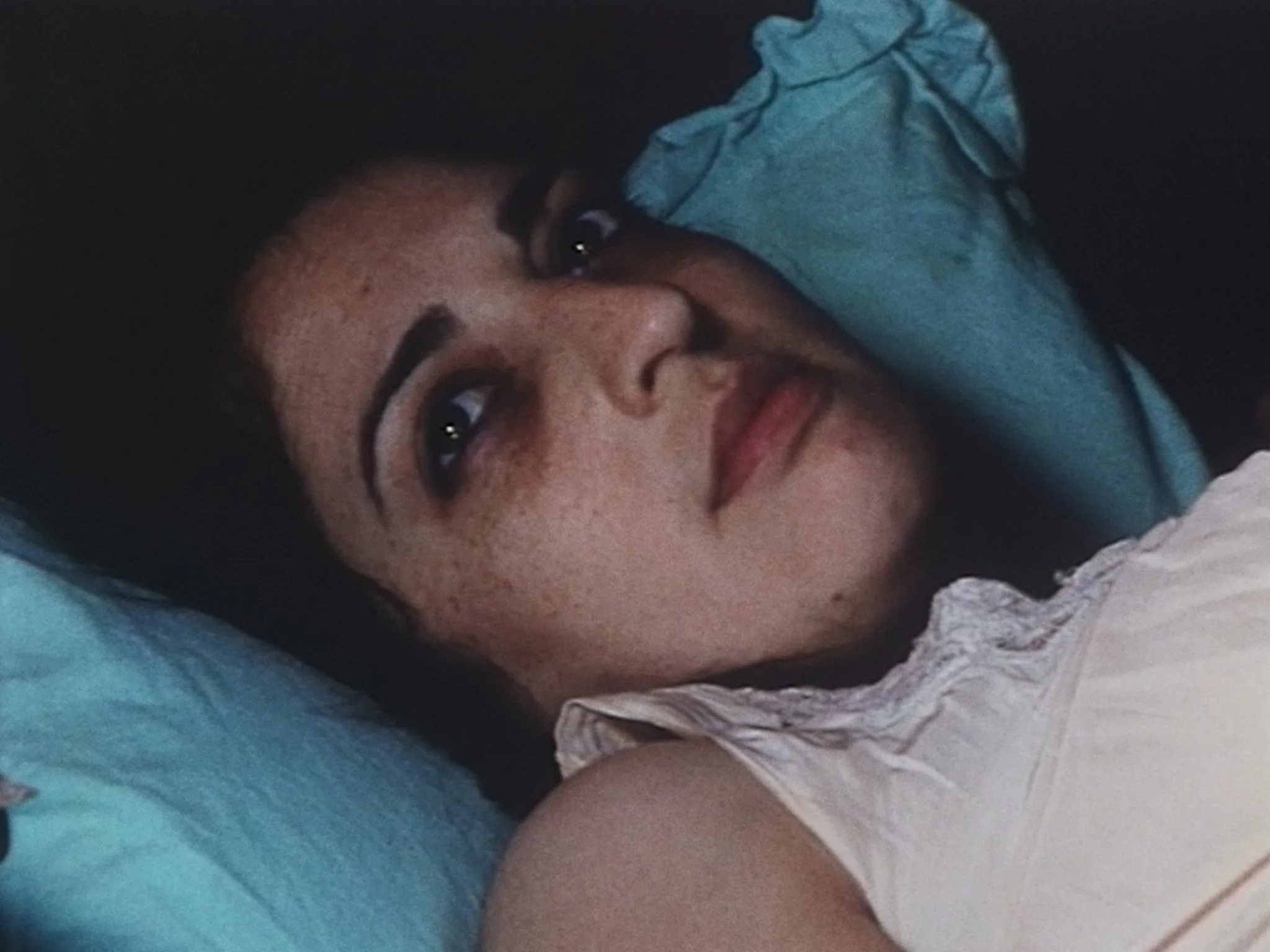
(Parine Jaddo, 1999, 32min)
Blending fiction and documentary, Aisha (Surviving) follows the gaze of an Arab-American filmmaker making a film about her immigrant cousin -- a woman whose inner voice slowly disrupts the orientalizing narrative, revealing an emotional landscape marked by estrangement, cultural dissonance, and desire. —Nadia Shihab
-
(Parine Jaddo, 2002, 21min)
After September 11th, an Iraqi filmmaker living in the west spends her days at home, questioning her own life choices and sense of belonging in a world that has gone astray. —Nadia Shihab
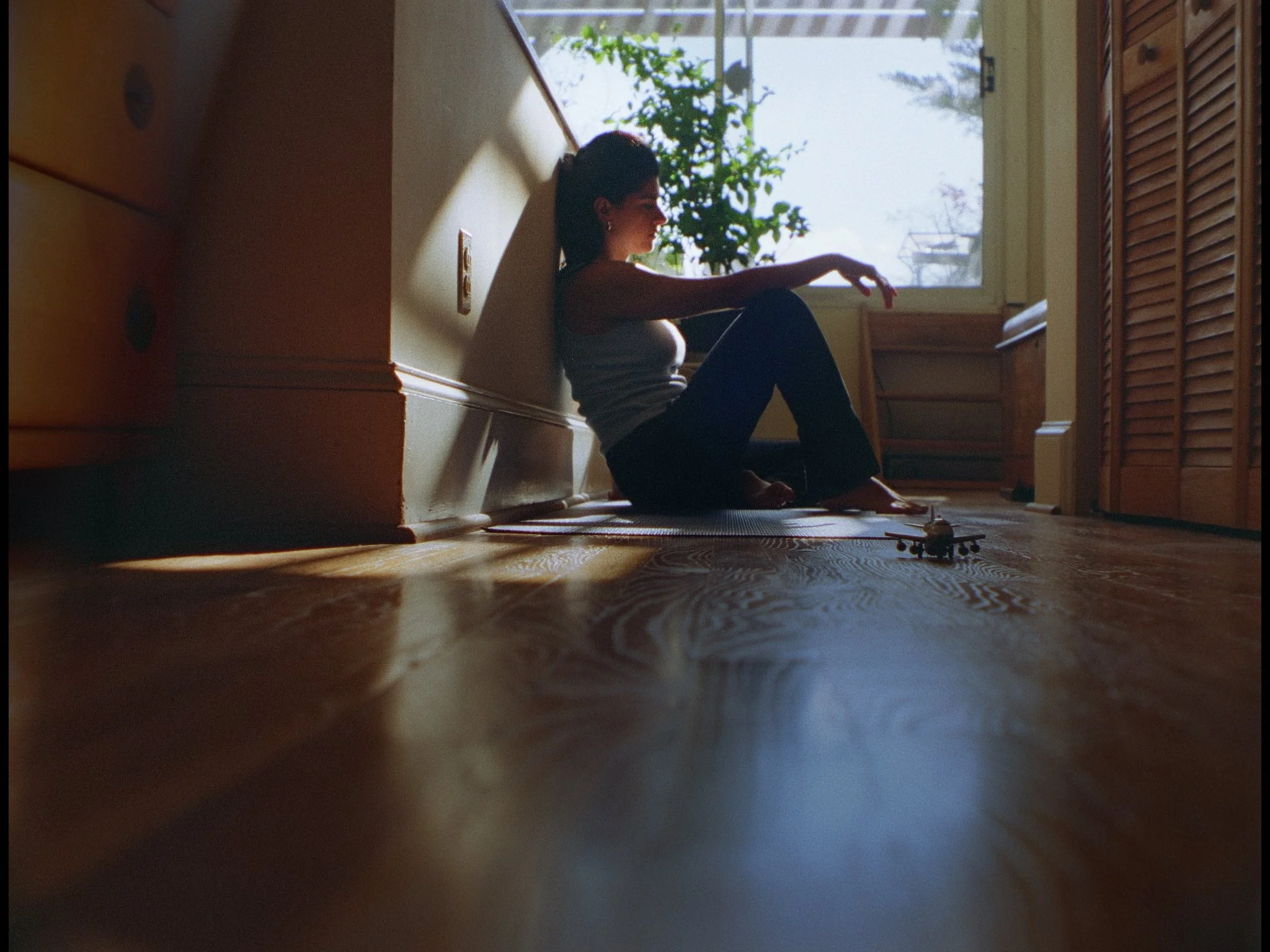
My Friends in My Address Book + Every Contact Leaves a Trace
Sunday, May 3, 1:30PM
Anthology Film Archives
TICKETS
Followed by Q&A.
-
(Kohei Ando, 1974, 3min, 16mm)
A conceptual film in which Ando has assembled shots—all of equal duration—of his friends, in the order they are listed in his address book. —Light Cone
-
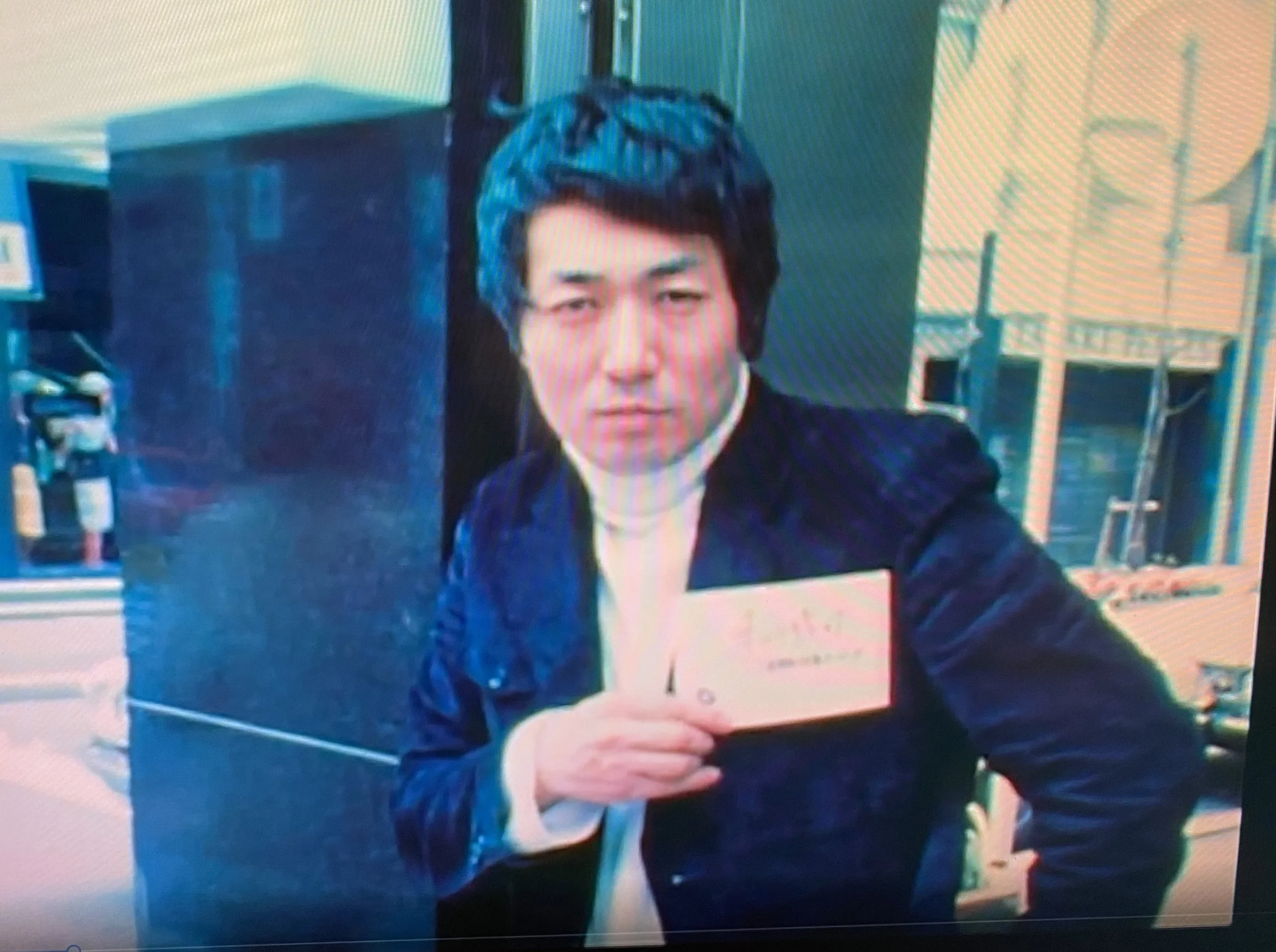
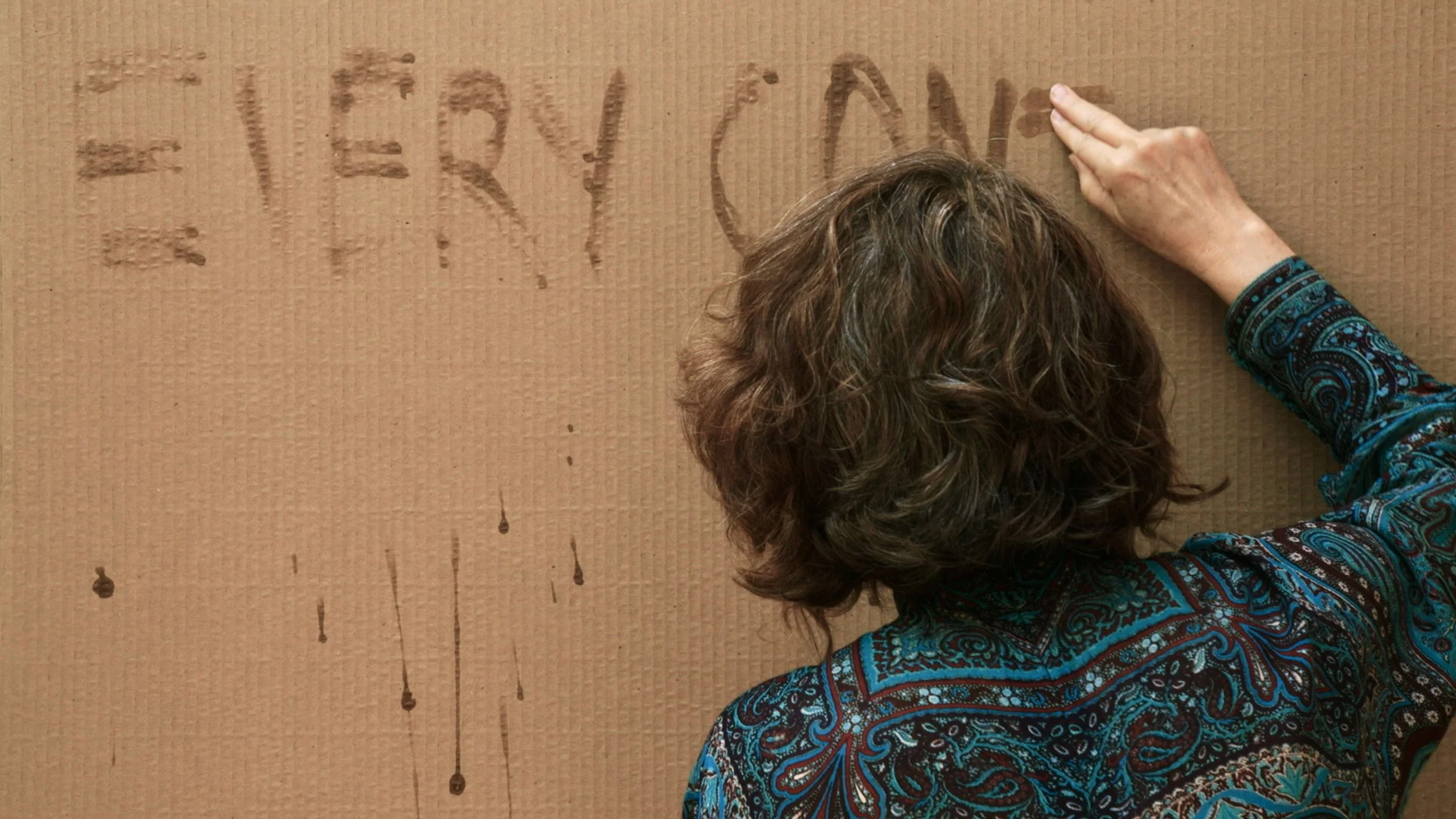
(Lynne Sachs, 2025, 83min)
For most of her life, filmmaker Lynne Sachs has collected business cards that strangers pulled from their wallets and placed in her hand. She sometimes remembers the precise moment they were offered to her, other times they are a mystery. Now in this digital era, being in the same space with others happens less and less. Sachs selects seven cards from hundreds and throws herself into finding out how and why certain people left an imprint on her consciousness. When she is able, she embraces clues and seeks out reunions. But when there is no trace, she gambles with imaginary histories and futures. A lifetime of tactile, face-to-face encounters reminds her of identities passed from hand to hand. —Kino Rebelde
Anomalies in a Landscape + In the Manner of Smoke
Sunday, May 3, 3:15PM
Anthology Film Archives
TICKETS
Followed by Q&A.
-
(Félix Caraballo, 2025, 8min, 16mm)
Anomalies in a Landscape is a film in four tableaux – four audivisual landscapes that unfold in all their strangeness. Spices, leaves and local seaweed reveal and imbue with their hues this film shot and developed on the very banks of the Magtogoek/St. Lawrence river. —Félix Caraballo
-
(Armand Yervant Tufenkian, 2025, 91min)
Based on the filmmaker's work as a fire lookout, reverie and observation forge relations among a landscape painter in London and a veteran fire lookout in California.With a concern for how media technology (from painting to surveillance webcams) impacts representations of forest fires and the experience of witnessing with one's own eyes, the film forms an ecology of images from distinct and ultimately interlinked perspectives. —Armand Yervant Tufenkian
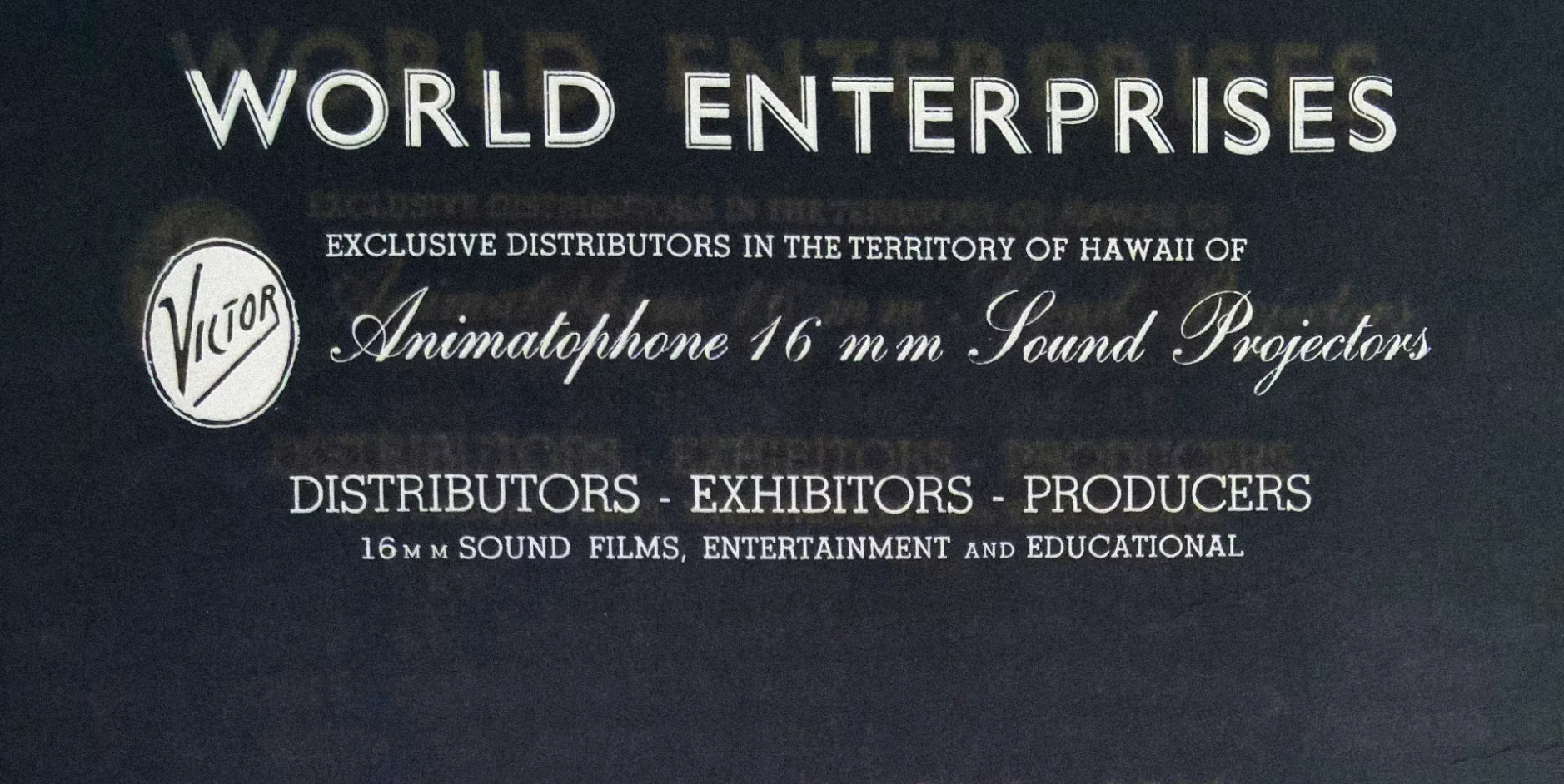
Aanikoobijigan [ancestor/great-grandparent/great-grandchild] + WORLD ENTERPRISES
Sunday, May 3, 4:15PM
Anthology Film Archives
TICKETS
Followed by Q&A.
-
(Anthony Banua-Simon, 2026, 14min)
In 1940, on the dry westside of Kauaʻi, the Kekaha Sugar Company began a six-month mail-order film subscription with World Enterprises, an Oʻahu-based distributor—screening films for workers on their Sundays off from harvesting and processing sugarcane. The films, produced on the continent, ranged from John Wayne westerns and anti-union public service announcements to DuPont Chemical industrial shorts. Varied in style, the films shared a common theme: American power taming lands and peoples of the “frontier” through extraction, an encroachment justified by declared ideals of progress. These narratives attempted to codify American absorption as inevitable—meanwhile Asian immigrant laborers were actively exploring socialist futures that incorporated Kānaka Maoli sovereignty and imagined an independent, multiracial nation. WORLD ENTERPRISES is a collage of radical possibilities sourced entirely from the original 1940 film program. —Anthony Banua-Simon
-
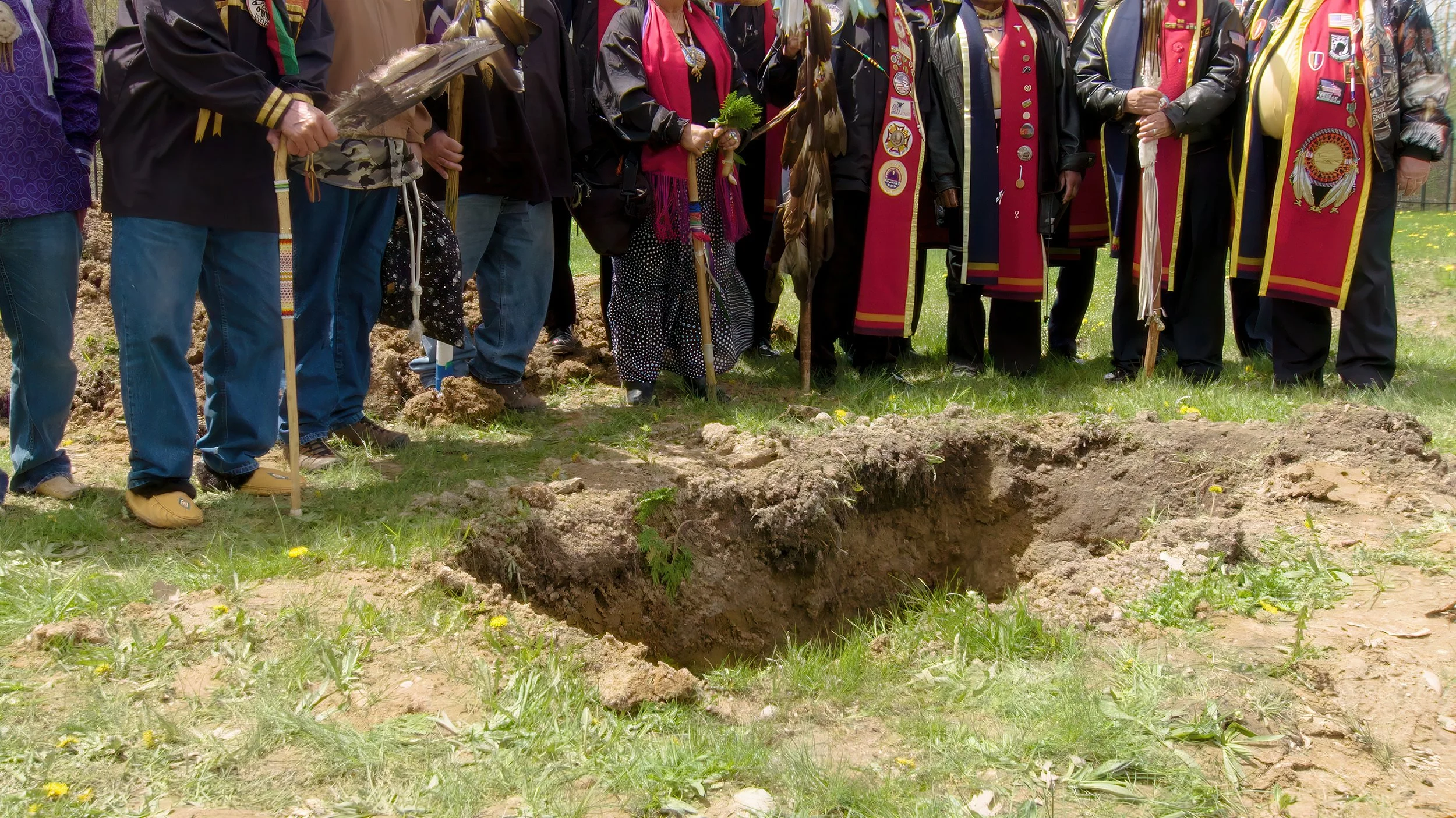
(Adam Khalil, Zack Khalil, 2026, 80min)
Trapped in museum archives, Ancestors bend time and space to find their way home. History, spirituality, and the law collide as tribal repatriation specialists fight to return and rebury Indigenous human remains, offering a revealing look at the still-pervasive worldviews that justified collecting them in the first place. —The Film Collaborative
before everything has a name + Masayume
Sunday, May 3, 5:45PM
Anthology Film Archives
TICKETS
Followed by Q&A.
-
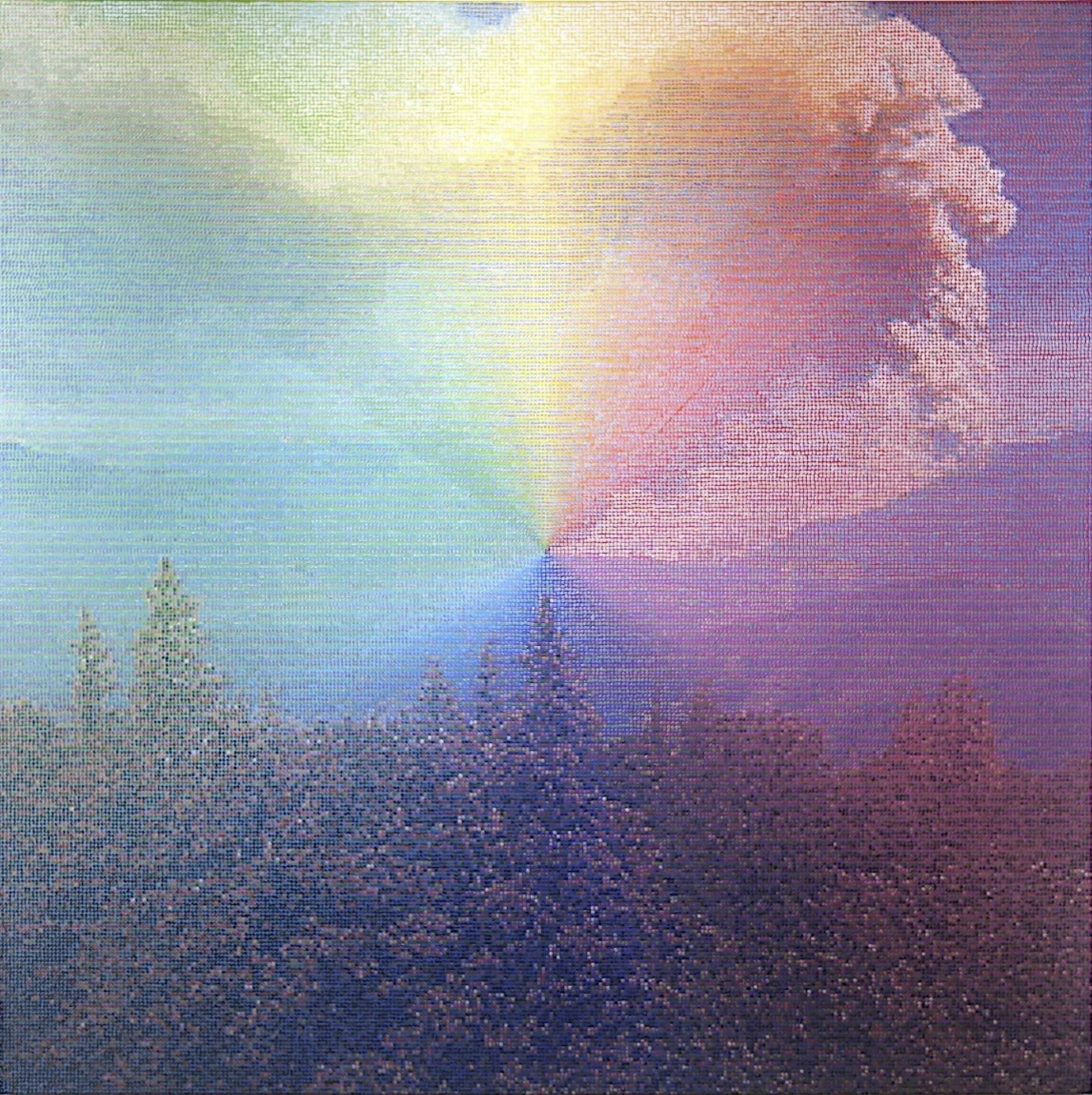
(An-li dīng, 2026, 17min)
This film draws its imagery from a series of hand-processed 35mm film stills, featuring textures with specific qualities collected by the artist during her travels through various natural environments. These images are then meticulously layered through slow dissolves in post-production, seeking to activate the image’s immanent potential to generate the indeterminate sensations. "Before everything has a name" is not an imagination of the past or future, but a perceptual mode and state of existence that can be experienced in the present moment - something that may arrive at any time, yet cannot be summoned by will. In this unnamed place, language has not yet taken shape, concepts have not yet been constructed, and naming has not yet severed the interconnections among all things.—An-li dīng
-
(Nao Yoshigai, 2026, 110min)
Nao YOSHIGAI, who lost her mental and physical balance at 34, starts training at a Zen temple. Through Zen, she reexamines “eating,” “sleeping,” and “breathing,” viewing her body and mind as a “bag of flesh.” Inspired by Michizo Noguchi, founder of Noguchi Taiso (movement method), she sees the body as a skin bag of fluid—free to expand and contract—where bones, organs, and the brain float. —Parallax Films
-
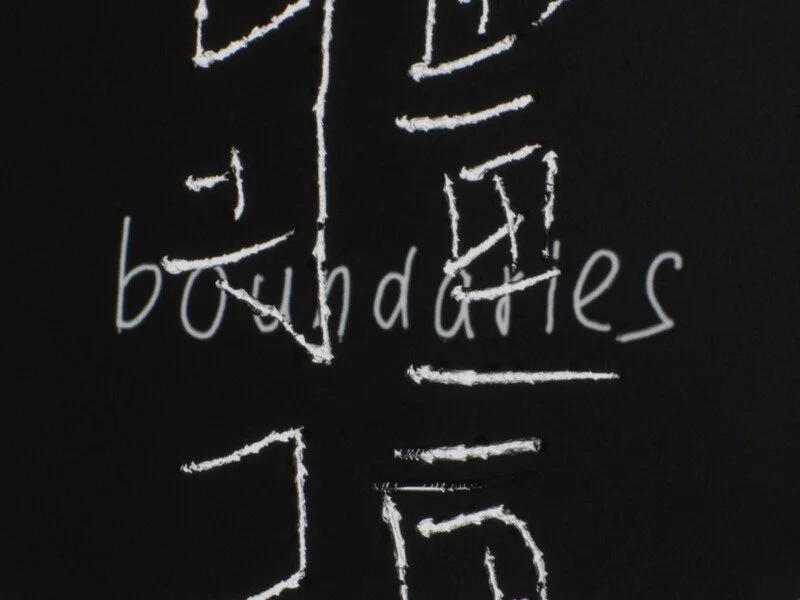
“The Land Lies Heavy” is a program of contemporary Chinese experimental films. These works consider land and space, navigating legal codes, transformed geographies, and personal manuscripts to consider how people and their identities have been shaped, lost, forgotten, or fabricated by surveillance, bureaucracy, and history. These films revel in the mystery and unknowability of these different places, considering both the materiality of film and the ostensible veracity of text to rupture our understanding of the areas we inhabit and call home. —Joshua Minsoo Kim/Tone Glow
-
(Hsin-Yu Chen, 2026, 4min)
A hand-scratched text film, a constitutional transcription, a misaligned translation, and a legal code of undefined territory, carved at 24 frames per second within Taiwan’s ongoing troubled history. —Hsin-Yu Chen
-
(Zhou Zhenyu, 2026, 14min)
In my hometown, Hengshui, in northern China, a shopping center that was never completed has been left abandoned. Wild plants grow in the building's interstices. Local residents have taken over certain spaces, transforming them into leisure areas for ping-pong, dance, boxing, etc.
One day, from my window I noticed that a once upright wild tree had leaned over, as if dying on the concrete roof. —Zhou Zhenyu
-
(Xiao Zhang, 2026, 19min)
A calling inhabits the blank pages, unfolding a secret writing of hers. The unseen written traces seep from the murmuring land, pushing through fragmented voices to become new forms—beings made material. Framed as a dialogue with my grandmother, this film explores an alternative form of personal writing by Chinese women in the context of major political events—one that is both absent and abundant. The 'blank' becomes an image, carrying a search for agency: of land transformed, of women unheard, of voids rewritten. By breaking down linguistic structures, the film opens a space for imagining, reading, and performing, allowing for emergence. —Xiao Zhang
-
(Kaiwen Ren, 2026, 27min)
When the embers settle, silence is advised. Beware of the veil if contact is critical. There are no threats visible; no ground assured. —Kaiwen Ren
closing night / sun, may 3
-
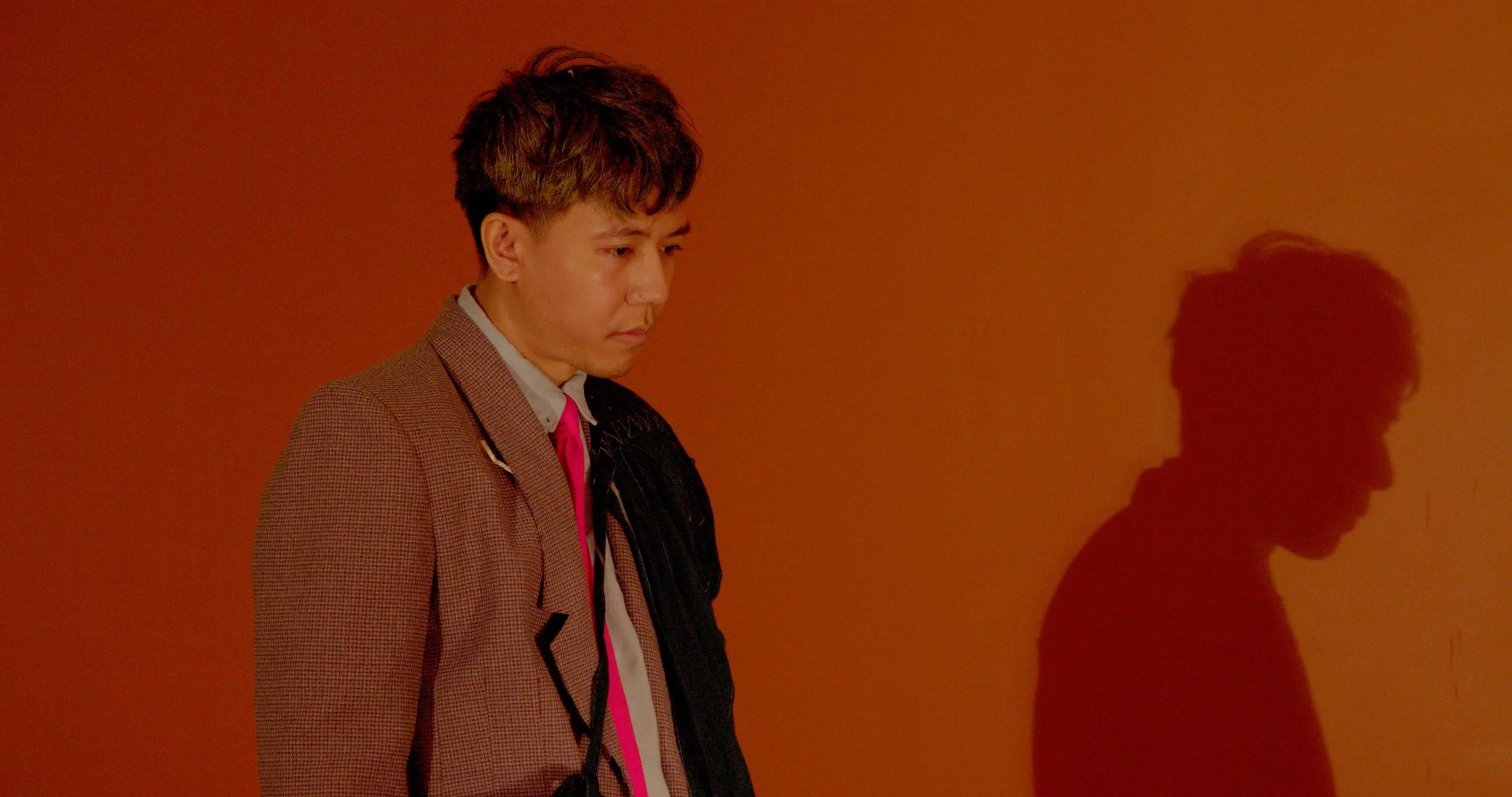
Gangsterism (Isiah Medina, 84min.)
As he mulls over the budget for his new film, director-gangster Clem sends his artist cronies after an old comrade rumoured to be a leaker.
