Kohei Ando
2026 GROUND GLASS AWARD RECIPIENT
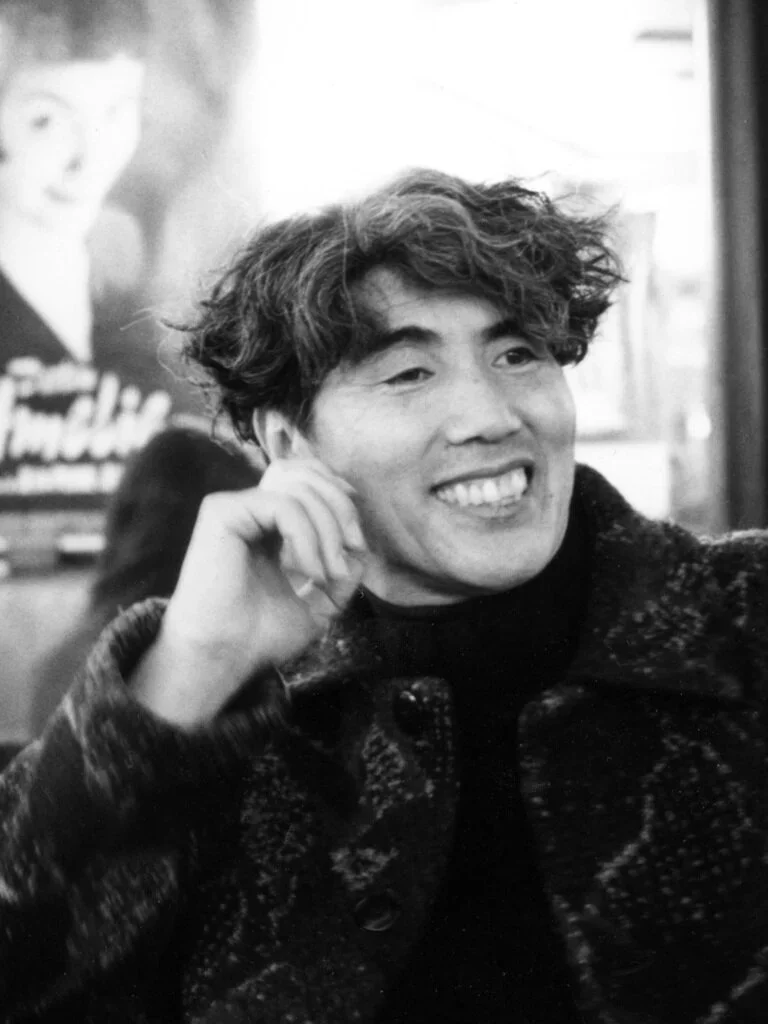
Each year Prismatic Ground gives out only one award, meant to recognize an exceptional body of work. The sixth annual Ground Glass Award for outstanding contribution in the field of experimental media is awarded to Kohei Ando.
Co-presented by Collaborative Cataloging Japan
Kohei Ando (Japanese, b. 1944) is one of the great unsung heroes of early time-based media in Japan. His nearly six-decades-long career, beginning with his experimentations in video art during the late1960s and stretching all the way to high-quality, surrealistic narrative cinema in the 1990s, demonstrates his remarkably wide range as an artist. When assessing over 50 years worth of his moving image work, Ando’s creativity positions him as a significant figure in the context of both Art History and Film History.
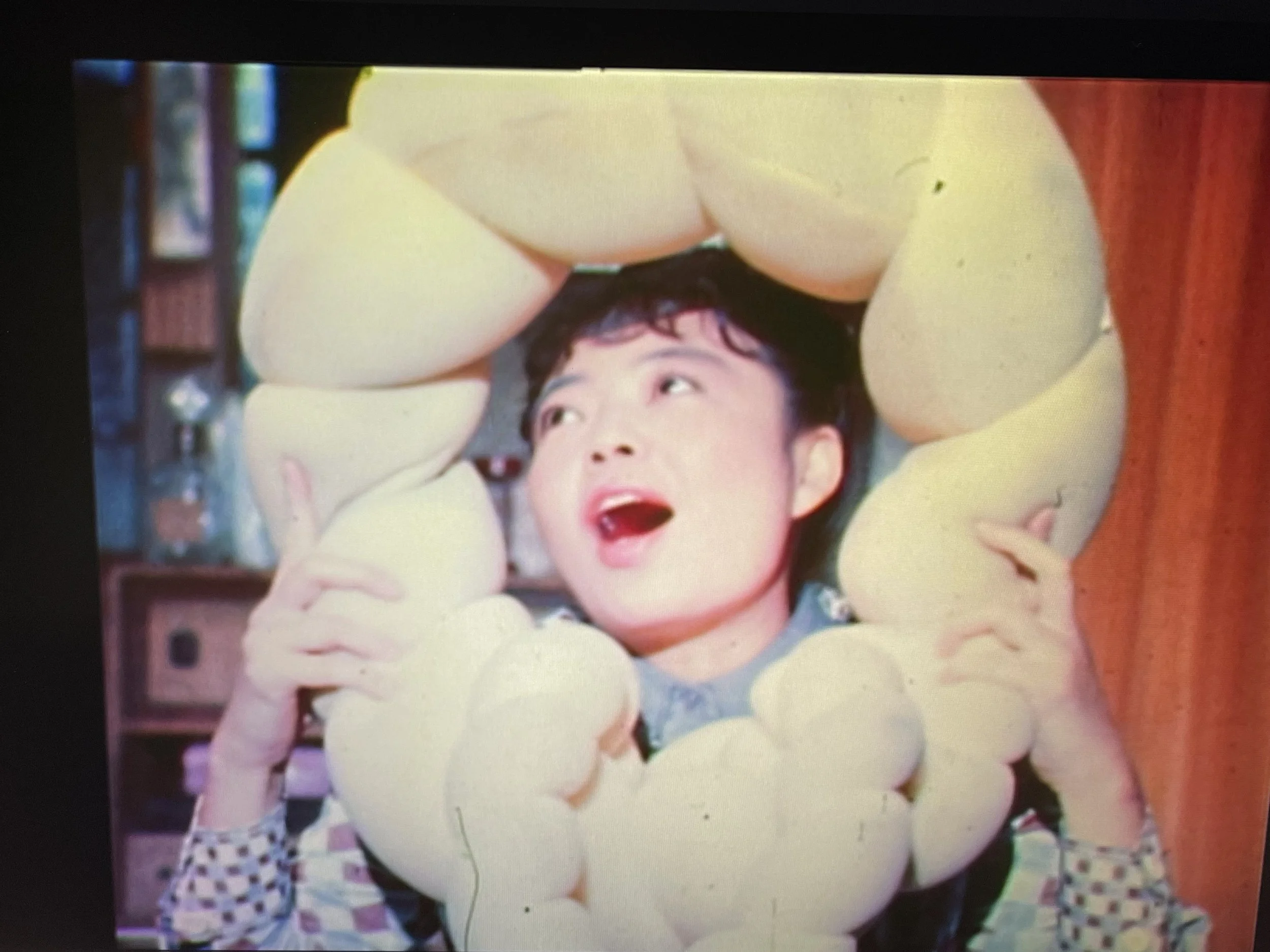
From the very start of his career, Ando played a pioneering role in momentous cultural strides of the Japanese avant-garde in the late 60s and early 70s.. Ando made what many regard as one of the first examples of video art in 1969with Oh! My Mother,: He was employed at the Tokyo Broadcasting System (TBS) at the time, and secretly used the studio’s video equipment to create a feedback loop with 16mm footage. . Shortly thereafter, Ando became one of the founding members of Video Hiroba, Japan’s first video-art collective. It was during this formative period that he became a frequent collaborator of legendary dramatist Shūji Terayama and his Angura (underground) theater troupe, Tenjo Sajiki; he performed in plays and also assisted in production.
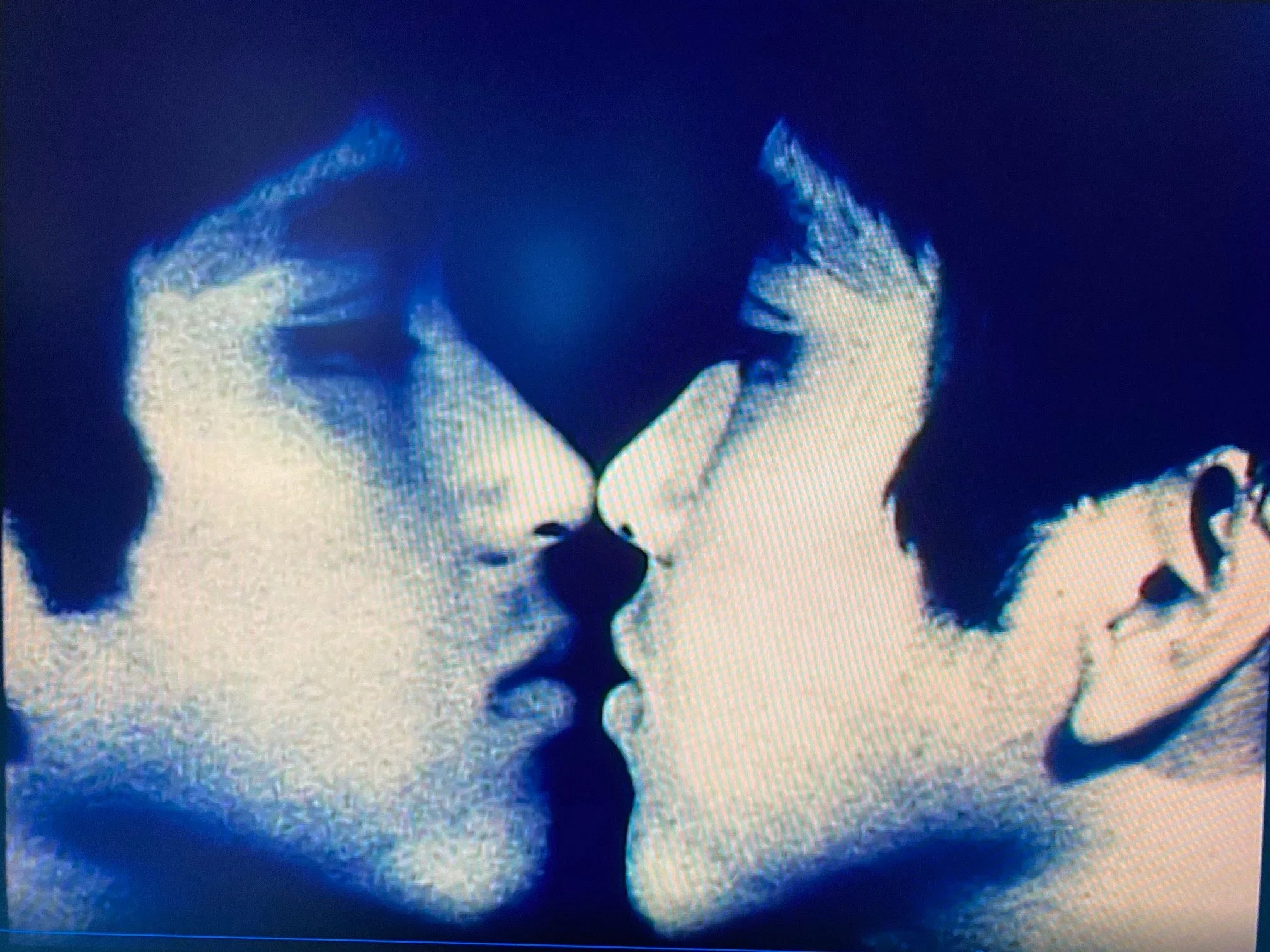
Drawing on this theatrical experience, throughout the 1970s Ando creatively combined performance art and the properties of video: Le Fils (The Sons, 1973) is a poetic musing on homosexuality, where images washed in violet-blue and bright yellow convey seduction. My Friends, In My Address Book (1974) consists of one-second portraits of friends and acquaintances posing with his titular address book, while Star Waars! (1978) zooms in on a series of pop-culture icons in Japan as they shout “War!”.
By the 1980s, Ando’s work took a decisive turn with the advent of high-definition video technology, with storytelling taking precedence over the formalistic motivations that defined his earlier work. Yet, these works are also boundary-pushing in their play with magical realism and surrealism—from the adventuresome travels of a young boy across time and space in On the Far Side of Twilight (1994), to the playful ghost tale of A Story About Kusanojo (1997), or the use of airbrush painter Kozo Mio’s erotic images as scenic elements in After Twilight (1995).
From the 2000s onwards, Ando shifted his focus to teaching and writing; he lectured on cinema at Waseda University from 2004 to 2014, and published his debut novel, Whispers of Vermeer in 2021. Yet his rich body of work remains as timely and audacious as it was when the films were made. The first-ever American retrospective of Ando’s oeuvre at Prismatic Ground is a rare, and unmissable, opportunity for New York audiences. —Liam Otero
Featured Works
See this selection of Ando’s films Saturday, May 2, 1:15PM at Anthology Film Archives.
-
(Kohei Ando, 1978, 3min, 16mm)
Des stars japonaises hurlent: la guerre! —Light Cone
-
(Kohei Ando, 1978, 3min, 16mm)
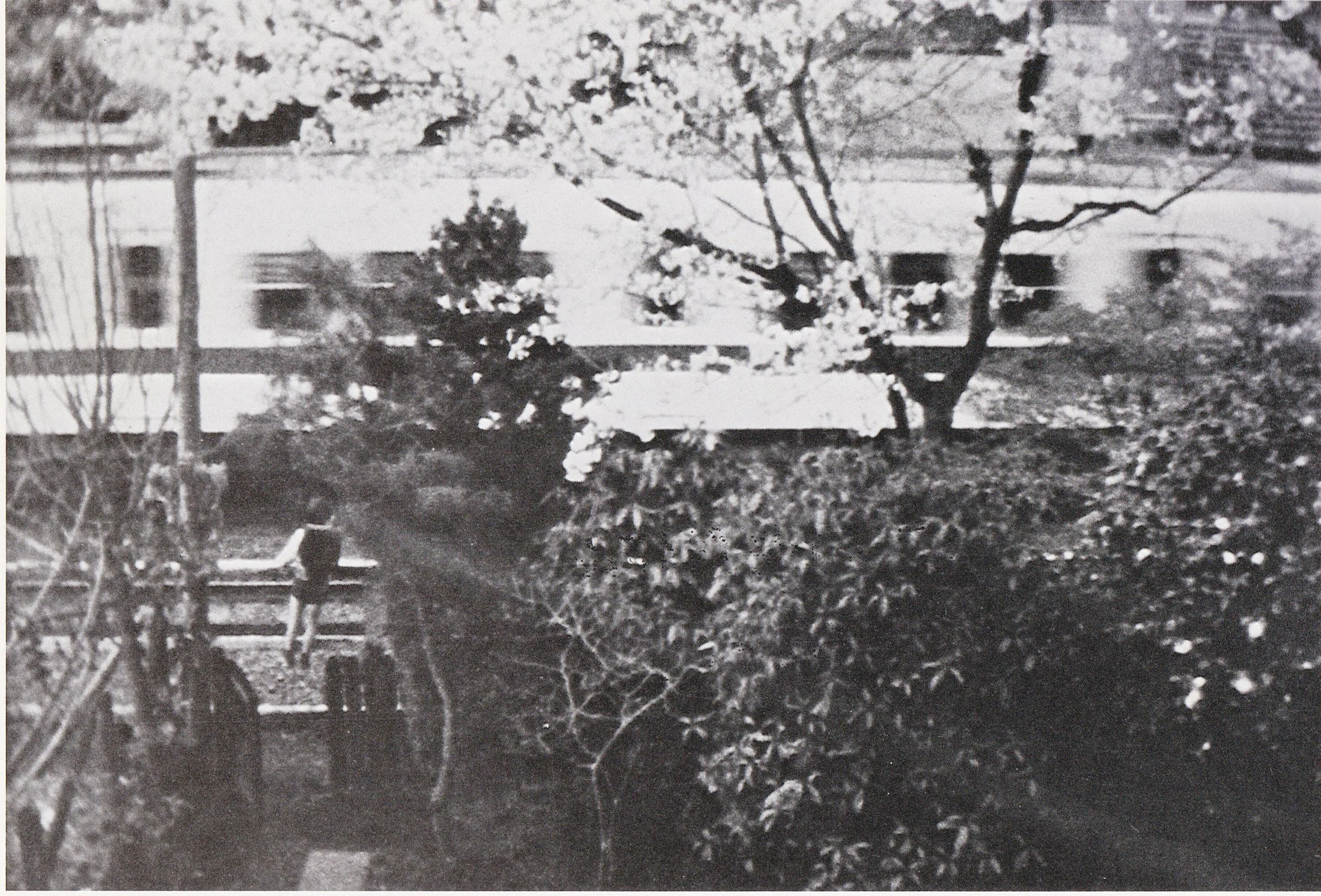
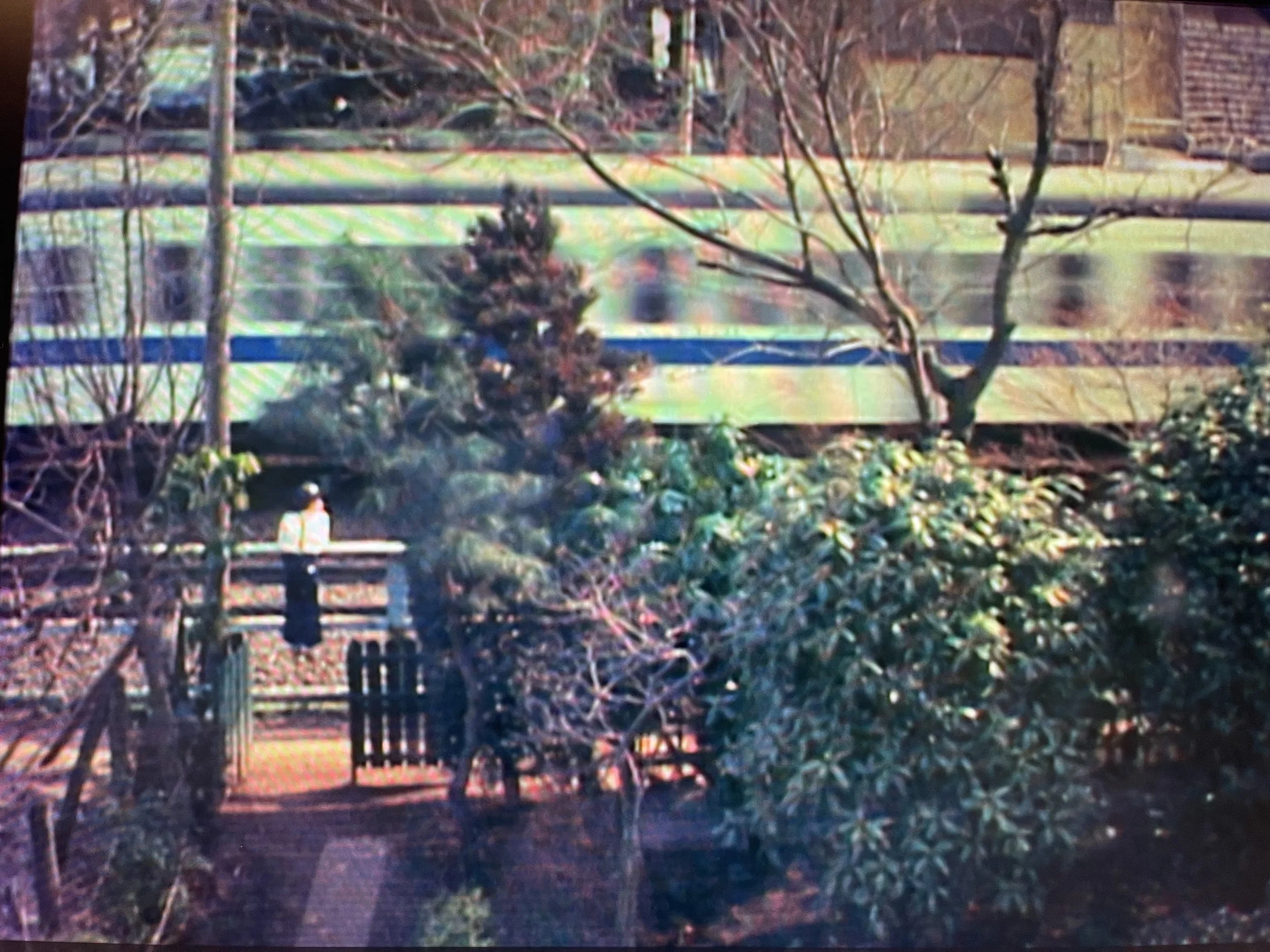
Space. Inspired by photographs of Winston Link (Night Trick), this film is composed of images of trains passing by a house. Trains are seen from inside the house in a variety of viewing angles. The film lists all possible perspectives on the passing train and becomes a metaphor of cinema.—Light Cone
-
(Kohei Ando, 1979, 7min, 16mm)
Time. In “One Hundred Years of Solitude”, Gabriel García Márquez describes a train so long that it takes a year to pass through a station. This film consists of the image of a train passing through a bush at the back of Ando’s garden. It was shot from the same fixed angle over the course of six months, spanning the seasons. —Tony Rayns
-
(Kohei Ando, 1969, 10min)
The images multiply and stretch into the distance through an electrical effect; they are comparable to the breaths of life. —Light Cone
-
(Kohei Ando, 1973, 25min, 16mm)
A gay poem, clearly inspired by Cocteau, concerning the ambiguous relationships between a man and his two adopted sons. A reverie on sublimation, repetition, and death. The imagery and the characters' movements are attenuated, yet the mood is sensual. The soundtrack is in Japanese, but the text—rendered visually—is in French. —Tony Rayns
-
(Kohei Ando, 1994, 39min, 35mm)
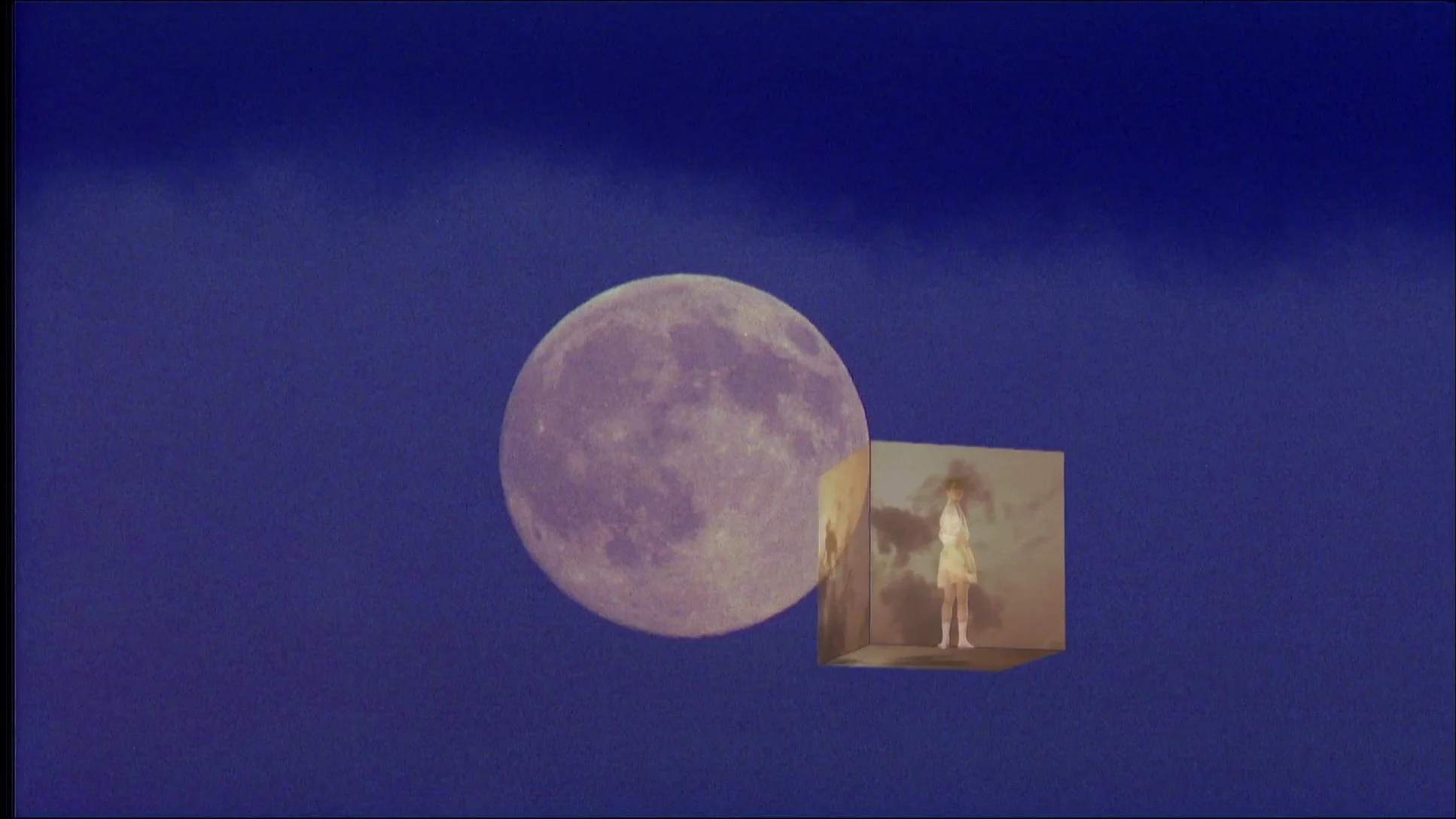
Inspired by the renowned poet Terayama. A young boy is in love with the sunset. One day, he decides to steal a piece of the sky. He pulls out a pair of scissors and reaches them toward the heavens. Thus begins his journey through time, space, and memory. The seasons change; the years pass. Enveloped within a mysterious box of captured sunset, the boy grows older—becoming an adolescent, a young man, an adult, and finally an old man—yet, strangely enough, his memories also begin to take on a life of their own. "What is memory? What is reverie? What is real, and what is imaginary? I no longer know..." —Light Cone